

$51.99 Chewy Price
($1.74/lb) Price per Unit
$55.99 List Price
Autoship Price
$32.99 Chewy Price
($0.50/oz) Price per Unit
Autoship Price

$51.99 Chewy Price
($2.17/lb) Price per Unit
$55.99 List Price
Autoship Price
$97.99 Chewy Price
($2.45/lb) Price per Unit
Autoship Price
$52.99 Chewy Price
($2.95/lb) Price per Unit
$56.99 List Price
Autoship Price
$66.99 Chewy Price
($2.40/lb) Price per Unit
Autoship Price

$32.99 Chewy Price
($7.50/lb) Price per Unit
$33.99 List Price
Autoship Price
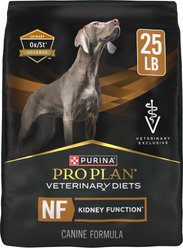
$127.99 Chewy Price
($5.12/lb) Price per Unit
Autoship Price
- Veterinary Diet Item
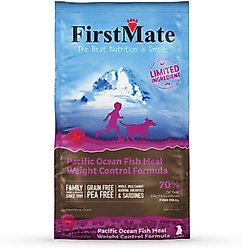
$89.99 Chewy Price
($3.60/lb) Price per Unit
$92.99 List Price
Autoship Price
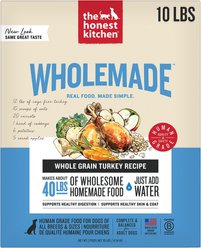
$82.69 Chewy Price
($8.27/lb) Price per Unit
$84.99 List Price
Autoship Price

$33.48 Chewy Price
($0.22/oz) Price per Unit
$35.88 List Price
Autoship Price

$30.99 Chewy Price
($7.75/lb) Price per Unit
Autoship Price
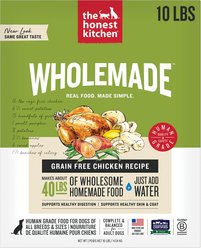
$79.99 Chewy Price
($8.00/lb) Price per Unit
$104.99 List Price
Autoship Price
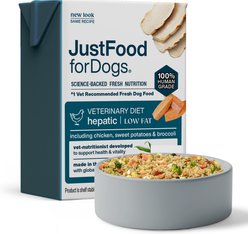
$95.88 Chewy Price
($0.64/oz) Price per Unit
$95.99 List Price
Autoship Price
- Veterinary Diet Item
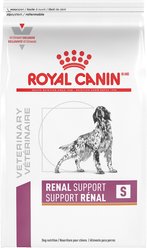
$106.99 Chewy Price
($6.08/lb) Price per Unit
Autoship Price
- Veterinary Diet Item
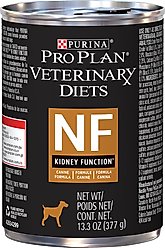
$57.99 Chewy Price
($0.37/oz) Price per Unit
Autoship Price
- Veterinary Diet Item
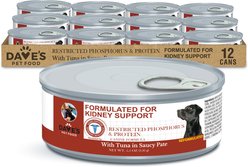
$32.99 Chewy Price
($0.50/oz) Price per Unit
Autoship Price
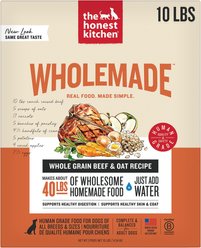
$93.04 Chewy Price
($9.31/lb) Price per Unit
$94.99 List Price
Autoship Price
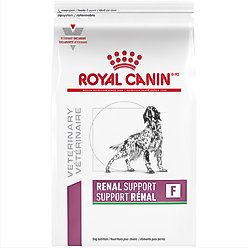
$42.99 Chewy Price
($7.17/lb) Price per Unit
Autoship Price
- Veterinary Diet Item
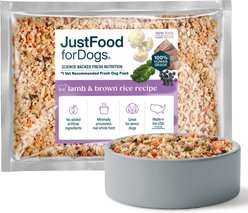
$97.93 Chewy Price
($0.78/oz) Price per Unit
$97.99 List Price
Autoship Price
- Frozen Item
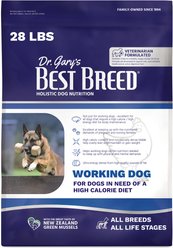
$69.99 Chewy Price
($2.50/lb) Price per Unit
Autoship Price

$44.99 Chewy Price
($11.25/lb) Price per Unit
Autoship Price
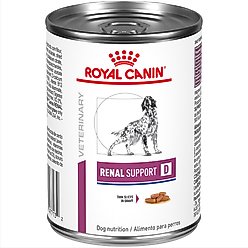
$129.36 Chewy Price
($0.42/oz) Price per Unit
Autoship Price
- Veterinary Diet Item
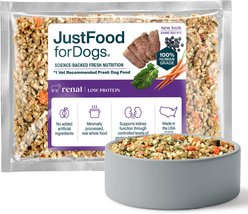
$97.99 Chewy Price
($0.78/oz) Price per Unit
Autoship Price
- Veterinary Diet Item
- Frozen Item

$7.50 Chewy Price
($1.79/oz) Price per Unit
$8.99 List Price
Autoship Price
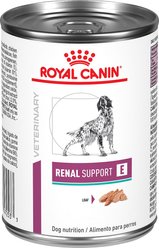
$129.36 Chewy Price
($0.40/oz) Price per Unit
Autoship Price
- Veterinary Diet Item
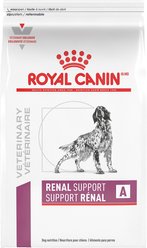
$106.99 Chewy Price
($6.08/lb) Price per Unit
Autoship Price
- Veterinary Diet Item
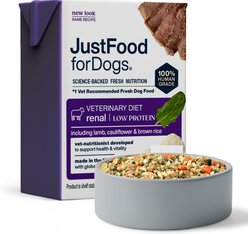
$107.88 Chewy Price
($0.72/oz) Price per Unit
$107.99 List Price
Autoship Price
- Veterinary Diet Item
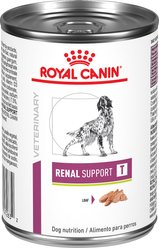
$129.36 Chewy Price
($0.40/oz) Price per Unit
Autoship Price
- Veterinary Diet Item

Bundle and Save 5%
$166.95 Chewy Price
$175.73 List Price
Autoship Price
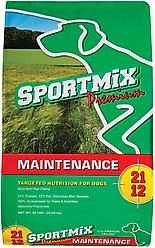
$42.44 Chewy Price
($0.85/lb) Price per Unit
Autoship Price
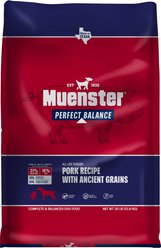
$48.57 Chewy Price
($1.62/lb) Price per Unit
$50.00 List Price
Autoship Price
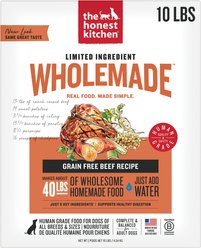
$127.39 Chewy Price
($12.74/lb) Price per Unit
$129.99 List Price
Autoship Price
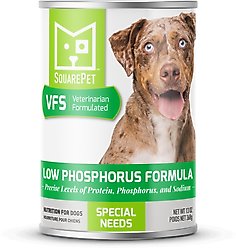
$60.88 Chewy Price
($0.40/oz) Price per Unit
Autoship Price
Low Protein Dog Food
Low-protein dog food is formulated to provide complete and balanced nutrition while reducing overall protein levels compared to standard dog food. Some dogs benefit from diets with lower protein content due to specific health considerations, life stage needs, or veterinarian-recommended dietary management. Dog food low in protein focuses on maintaining adequate calories, vitamins, and minerals while adjusting protein intake to better suit certain dogs.
Chewy's selection of low-protein dog food includes wet and dry food formulas designed to support pups who require controlled protein intake. These recipes may be recommended for senior dogs, dogs with chronic medical conditions like liver or kidney disease, or dogs who do better with moderated protein levels as part of a broader nutrition plan. Low-protein dog food varies in texture, ingredient composition, and feeding format, which allows pet parents to choose options that align with their dog's preferences and dietary requirements. Here are some important things to consider when shopping for dog food low in protein:
-
Food type: Consider your pup's preferences for dry kibble versus wet food.
-
Protein quality: High-quality proteins still provide essential amino acids despite reduced protein levels.
-
Calorie balance: Low-protein recipes should still support healthy weight and energy levels.
-
Complete nutrition: Choose a formula that delivers complete and balanced nutrition suited to your dog's life stage.
-
Rx only: Prescription diets may be formulated to address specific health concerns like liver or kidney disease.
Low-protein dog food can be an important part of a vet-managed nutrition plan for certain dogs. Because protein needs vary widely, it is important to follow veterinary guidance and monitor your dog's condition over time. Once you find a low-protein dog food that meets your dog's needs, Autoship can help keep it consistently stocked so feeding routines remain steady and uninterrupted.
Frequently Asked Questions about Low Protein Dog Food
What is low-protein dog food used for?
Low-protein dog food is often used to help manage chronic conditions that can benefit from reduced protein intake, like liver or kidney disease. Consult your veterinarian before switching your dog to low-protein food to ensure it's an appropriate option for your pup.
Do all dogs need low-protein food?
Most dogs do not need low-protein food, and restricted protein intake may be detrimental for growing puppies or highly active dogs. These diets are typically used in specific situations for dogs with certain medical conditions or age-related needs.
Does low-protein dog food still provide enough nutrition?
Low-protein dog food provides enough nutrition when it's properly formulated. Many dogs can benefit from higher protein intake, so it's important to consult with your vet to ensure that dog food low in protein is the right option for your pup.
Category
Save 5% on repeat deliveries
Brand
7 Brands are shown below