Titmouse Bird Feeders
Titmouse
Titmouse
Titmouse bird feeders are designed to support the feeding habits of tufted titmice and similar species. Titmice are small, active birds known for their quick movements and short, frequent feeder visits. They'll grab a piece of food and fly off to eat it elsewhere, rather than staying at the feeder for extended periods of time.
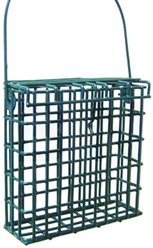
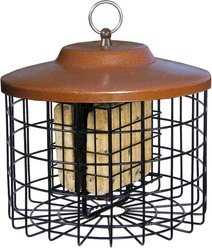
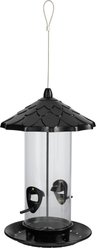
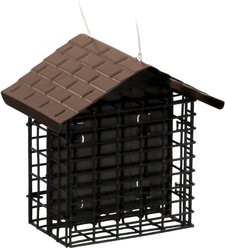
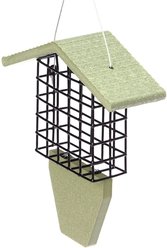
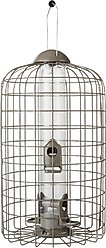
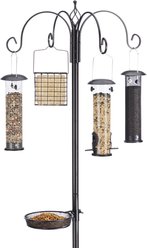
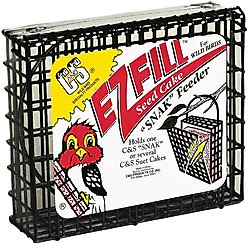
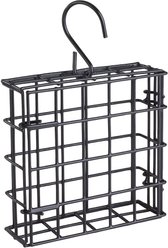
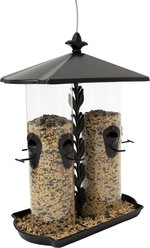
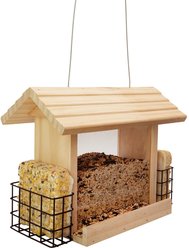
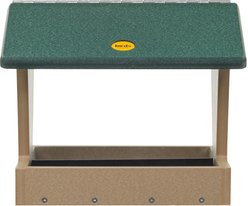
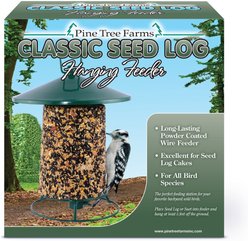
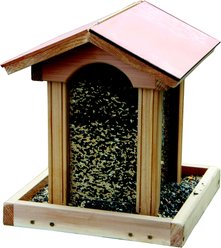
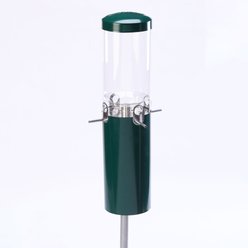
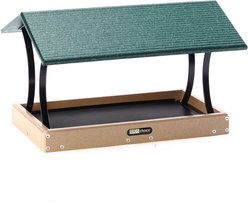
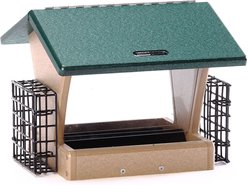
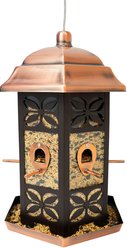
Titmouse feeders work best when they provide easy access, secure grip points, and compatibility with foods that can be quickly carried away. Chewy's selection includes tube feeders with small ports, suet cages, nylon sock feeders, and covered tray-style feeders. You'll also find feeders that help protect food from moisture while still allowing fast, unobstructed access. Here are some things to consider when shopping for titmouse bird feeders:
Easy access: Small openings and cage-style designs allow titmice to grab food quickly.
Small perches: Short or narrow perches support brief visits without encouraging crowding.
Food compatibility: Titmouse feeders work best with small, easy-to-carry foods.
Weather protection: Covered designs help keep food dry in wet weather.
Ease of cleaning: Removable panels enable easy access for cleaning.
Titmouse bird feeders can help encourage regular visits when the feeder design matches their fast-paced feeding style. Choosing a feeder that supports quick access and easy departure can make your setup more inviting for titmice while reducing wasted food and feeder congestion.
The best type of feeder for titmice is one that accommodates the kind of food they like, primarily seeds, nuts, suet, and insects. Titmice are highly versatile, so they'll eat from a variety of titmouse bird feeders.
Many titmice prefer hanging feeders over platform feeders, though they may use both. Titmice are skilled clingers that often enjoy feeders they can hang upside down from, like suet cages or tube feeders.
Titmouse feeders should be placed near trees or brush to provide cover and protection from predators. It's best to mount titmouse feeders 5 to 10 feet off the ground, away from fences and other surfaces squirrels can jump from.