
$31.07 Chewy Price
$39.99 List Price
Autoship Price
$111.06 Chewy Price
$190.40 List Price
Autoship Price
$149.99 Chewy Price
Autoship Price
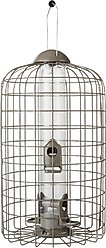
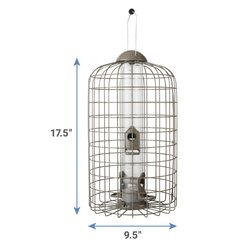
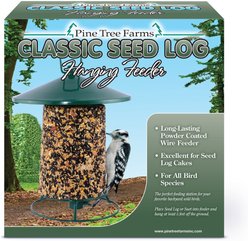
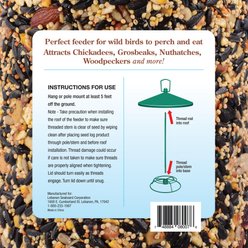
Wren Bird Feeders
Wren bird feeders are designed to support the unique diet and feeding habits of wrens. They are primarily insectivores, but they are cautious birds that spend much of their time foraging near dense cover rather than visiting busy feeders. Wren feeders are chosen to provide easy access in quiet, sheltered locations that feel safe and familiar to these little birds.
Chewy's selection of wren bird feeders includes seed logs, hoppers, and low platform feeders for insects, suet, and other supplemental foods. These feeders are often smaller in scale and easier to position near shrubs or fences, which aligns with how wrens naturally forage. Here are some things to consider when shopping for wren feeders:
-
Sheltered design: Wrens prefer feeders that offer shelter from weather and predators.
-
Open access: Trays and platform-style feeders work well for the kind of foods wrens like.
-
Quiet placement: Wren feeders should be placed in low-traffic areas near dense cover.
-
Feeder height: Lower placement near the ground is ideal for the foraging habits of wrens.
-
Ease of cleaning: Shop simple designs that are easy to clean and refresh.
Wren bird feeders can make an excellent addition to a thoughtful backyard setup, especially if you're hoping to attract a variety of species. Fill wren feeders with insects like mealworms and crickets or high-fat snacks like suet and peanut butter, then place them near dense cover so wrens feel safe visiting the feeder.
Frequently Asked Questions about Wren Bird Feeders
What type of feeder do wrens prefer?
Wrens typically prefer feeders that offer insects and high-fat foods like suet or peanut butter. Wren bird feeders are best placed near dense cover or near the ground to accommodate natural foraging behaviors.
Where should wren feeders be placed?
Wren feeders should be placed near dense cover such as shrubs or trees where the birds can quickly retreat in case of predators. Wrens find quiet, sheltered locations more appealing than open areas.
Can wren feeders attract other birds?
Wren feeders can attract other small birds that prefer sheltered feeding areas, such as titmice, nuthatches, chickadees, and bluebirds. Correct feeder placement can help you manage which species are most likely to visit.
Bird Type
Brand
4 Brands are shown below