

$99.99 Chewy Price
$149.99 List Price
Autoship Price
$119.00 Chewy Price
Autoship Price
$111.06 Chewy Price
$190.40 List Price
Autoship Price
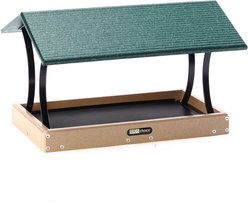
$139.99 Chewy Price
Autoship Price

$149.99 Chewy Price
$199.99 List Price
Autoship Price
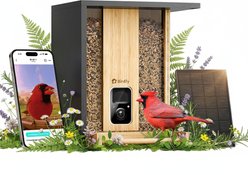
$164.00 Chewy Price
$249.99 List Price
Autoship Price
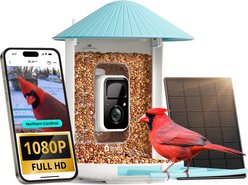
$119.99 Chewy Price
$179.99 List Price
Autoship Price
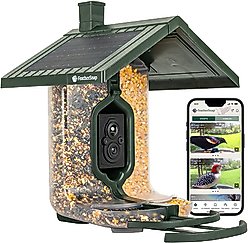
$149.99 Chewy Price
Autoship Price
$189.99 Chewy Price
$299.99 List Price
Autoship Price
Sparrow Bird Feeders
Sparrow bird feeders are designed to match the feeding habits of sparrows, which are social, ground-oriented birds that prefer easy, open access to food. Unlike birds that cling to small ports or perch while feeding, sparrows typically hop, walk, and feed in groups, making feeder style and placement especially important. Sparrow bird feeders focus on wide surfaces, stable designs, and layouts that allow multiple birds to eat at once without stress or competition.
Chewy's selection of sparrow bird feeders includes platform feeders, tray feeders, and ground or low-height designs that reflect how sparrows naturally forage. Many sparrow feeders are built with broad feeding areas to support flock feeding and reduce crowding, along with sturdy bases that help prevent tipping when several birds land together. You'll also find options designed for placement near shrubs, fences, or garden edges, which can help sparrows feel more secure while feeding. Choosing a feeder that aligns with sparrow behavior can reduce wasted seed and encourage calmer, more consistent visits. Here are some factors to consider when shopping for sparrow bird feeders:
-
Open feeding surface: Sparrows prefer flat trays or platforms where they can stand and move freely while eating
-
Flock capacity: Wider feeding areas help accommodate multiple sparrows feeding at the same time
-
Stability and weight: Sturdy designs help prevent tipping when groups of birds land together
-
Feeder height: Low or ground-level placement better matches sparrows' natural feeding behavior
-
Placement near cover: Feeders positioned near shrubs or structures can help sparrows feel safer and linger longer
Sparrow bird feeders can be a practical way to support regular feeding activity when designed and placed thoughtfully. By choosing feeders that prioritize open access and group feeding, you can create a setup that feels familiar to sparrows and helps maintain a cleaner, more manageable feeding area over time.
Frequently Asked Questions about Sparrow Bird Feeders
What type of feeder is best for sparrows?
The best sparrow bird feeders are platform feeders, tray feeders, or ground feeders that provide open access. Sparrows are more comfortable standing and hopping while they eat, so flat feeding surfaces tend to work better than narrow tube feeders.
Where should sparrow bird feeders be placed?
Sparrow bird feeders are often placed near shrubs, fences, or garden edges where sparrows naturally gather. Lower placement helps match their ground-feeding habits and can make feeders easier for them to approach.
Can sparrow bird feeders attract other birds?
Sparrow bird feeders may attract other ground-feeding birds that prefer open access to food. Feeder size and placement can help manage which species are most likely to visit.
Bird Type
Brand
5 Brands are shown below