


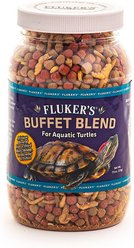
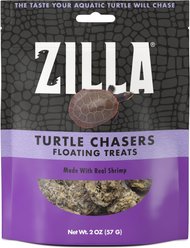


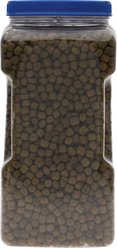
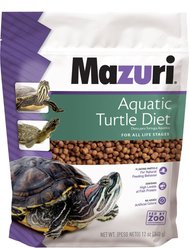
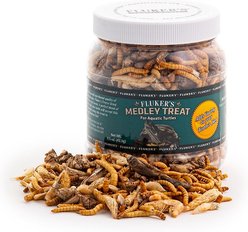
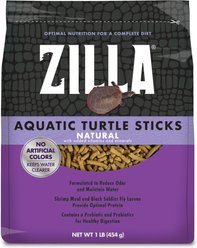
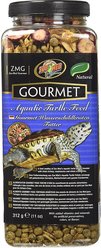
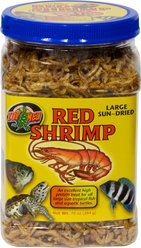
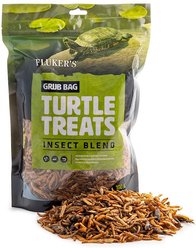
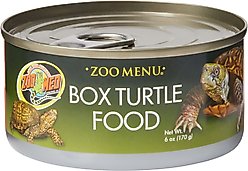
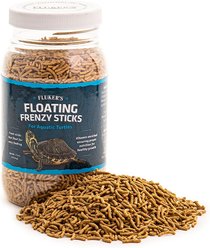
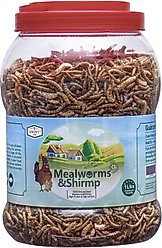

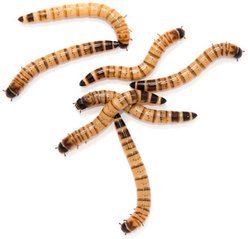
- Contains Live Feed
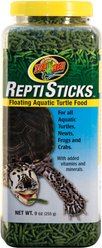
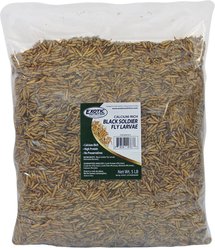
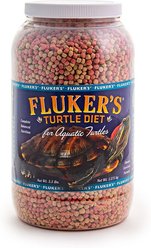
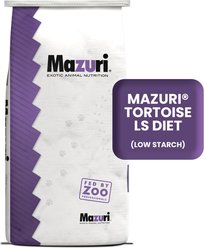
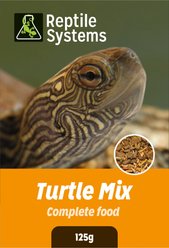




Turtle Food
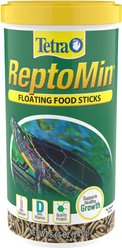
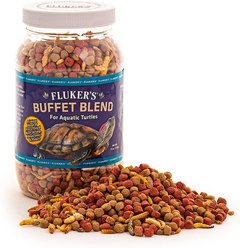
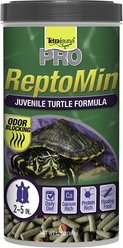
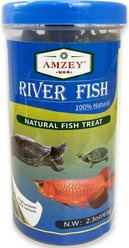
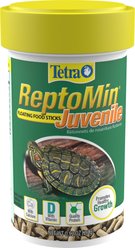
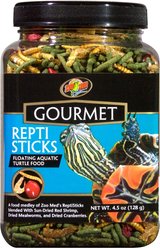
Slow and steady wins the snack! Turtle food comes in a variety of options to help your shell-backed friend thrive. From floating pellets and sticks to leafy greens and freeze-dried snacks, these diets are formulated to support shell strength, immune health, and overall vitality. Whether you're feeding an aquatic or terrestrial turtle, Chewy has options tailored to their unique dietary needs. Here's what to look for when selecting turtle food:
- Complete nutrition: Formulated with the right balance of protein, vitamins, and minerals for your turtle's species
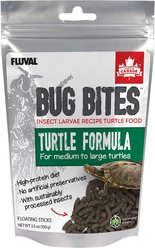
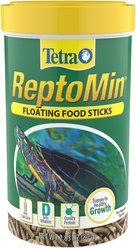
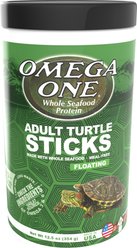
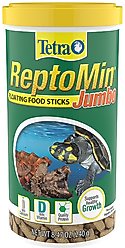
- Feeding style: Available in floating, sinking, and soft pellet forms for different eating habits
- Species-specific options: Choose food suited for aquatic turtles, box turtles, or tortoises
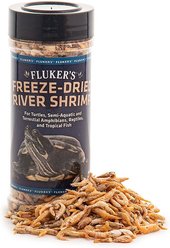
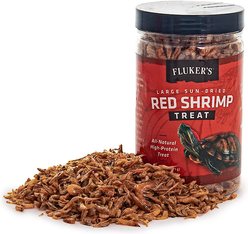
- Supplemental treats: Add variety with freeze-dried insects, veggies, or calcium-enriched snacks
- Size variety: Available in different pellet sizes to match hatchlings, juveniles, or adult turtles
Autoship makes it easy to keep your turtle's diet consistent and your pantry stocked- schedule repeat deliveries so you never run out of their favorite meals.
Frequently Asked Questions about Turtle Food
What food do you feed a turtle?
Turtles can be fed a combination of commercial turtle pellets, leafy greens, vegetables, and protein sources like insects or small fish, depending on their species. Aquatic turtles typically prefer floating pellets, while land-dwelling turtles benefit from a mix of greens and fruits.
What is the best type of food for pet turtles?
The best food depends on your turtle's species. Commercial pellets designed for turtles provide balanced nutrition, and many pet parents supplement with leafy greens, squash, or freeze-dried insects to add variety.
How often should I feed turtles?
Young turtles should be fed daily, while adults may eat every 2–3 days depending on their size and species. Overfeeding can lead to health issues, so portion control is important.
What vegetables can turtles eat?
Turtles enjoy leafy greens like kale, romaine lettuce, and dandelion greens. Other safe veggies include carrots, squash, and bell peppers. Avoid iceberg lettuce and starchy veggies, which offer little nutritional value.