
$24.99 Chewy Price
($0.50/lb) Price per Unit
$43.99 List Price
Autoship Price

$32.99 Chewy Price
($0.66/lb) Price per Unit
Autoship Price
$32.99 Chewy Price
($0.66/lb) Price per Unit
$36.99 List Price
Autoship Price

$24.99 Chewy Price
($0.50/lb) Price per Unit
$26.49 List Price
Autoship Price
$17.99 Chewy Price
($0.45/lb) Price per Unit
$18.99 List Price
Autoship Price
$30.49 Chewy Price
($0.61/lb) Price per Unit
Autoship Price
$24.99 Chewy Price
($0.50/lb) Price per Unit
$26.49 List Price
Autoship Price
$31.99 Chewy Price
($0.64/lb) Price per Unit
Autoship Price

$30.99 Chewy Price
($0.62/lb) Price per Unit
$42.99 List Price
Autoship Price
$30.77 Chewy Price
($0.62/lb) Price per Unit
Autoship Price
$36.99 Chewy Price
($0.74/lb) Price per Unit
$39.99 List Price
Autoship Price
$33.99 Chewy Price
($0.68/lb) Price per Unit
Autoship Price
$32.99 Chewy Price
($0.66/lb) Price per Unit
Autoship Price
$31.93 Chewy Price
($0.64/lb) Price per Unit
Autoship Price

$35.99 Chewy Price
($0.72/lb) Price per Unit
$58.00 List Price
Autoship Price

$24.99 Chewy Price
($0.50/lb) Price per Unit
Autoship Price
$30.99 Chewy Price
($0.62/lb) Price per Unit
Autoship Price
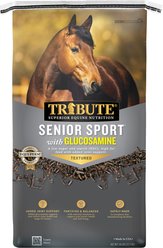
$37.63 Chewy Price
($0.76/lb) Price per Unit
Autoship Price
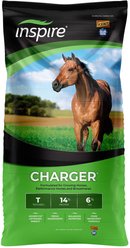
$26.99 Chewy Price
($0.54/lb) Price per Unit
Autoship Price
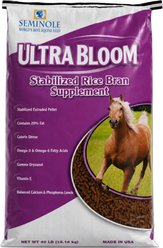
$53.99 Chewy Price
($1.35/lb) Price per Unit
Autoship Price
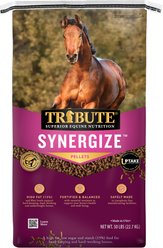
$35.18 Chewy Price
($0.71/lb) Price per Unit
Autoship Price
$42.99 Chewy Price
($0.98/lb) Price per Unit
$53.99 List Price
Autoship Price
$40.49 Chewy Price
($0.81/lb) Price per Unit
$41.49 List Price
Autoship Price
$37.99 Chewy Price
($0.95/lb) Price per Unit
$49.99 List Price
Autoship Price
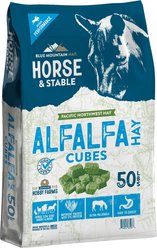
$29.99 Chewy Price
($0.60/lb) Price per Unit
Autoship Price
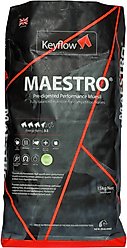
$49.95 Chewy Price
($1.52/lb) Price per Unit
Autoship Price
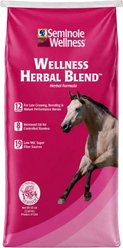
$37.49 Chewy Price
($0.75/lb) Price per Unit
Autoship Price
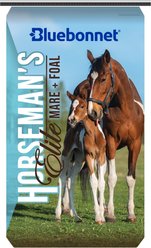
$29.49 Chewy Price
($0.59/lb) Price per Unit
$31.99 List Price
Autoship Price
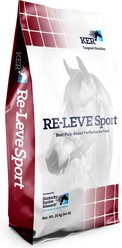
$38.99 Chewy Price
($0.89/lb) Price per Unit
$48.99 List Price
Autoship Price
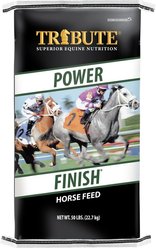
$31.02 Chewy Price
($0.63/lb) Price per Unit
Autoship Price
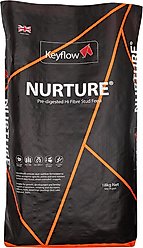
$47.95 Chewy Price
($1.23/lb) Price per Unit
Autoship Price
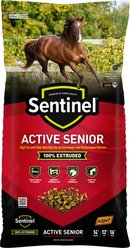
$31.99 Chewy Price
($0.64/lb) Price per Unit
Autoship Price
$28.99 Chewy Price
($0.58/lb) Price per Unit
Autoship Price
$29.18 Chewy Price
($0.59/lb) Price per Unit
Autoship Price
$32.99 Chewy Price
($0.66/lb) Price per Unit
Autoship Price
High Fat Horse Feed
High fat horse feed is formulated to provide additional calories through fat rather than relying heavily on sugars or starches. Fat is a dense energy source, which makes horse feed high in fat a common choice for horses that need extra calories to maintain weight, support performance, or improve body condition. This type of feed is often used for hard keepers, performance horses, and horses that benefit from controlled energy release rather than quick spikes.
Chewy's selection of high fat horse feed includes pelleted feeds, textured feeds, and concentrates designed to deliver elevated fat levels alongside balanced protein, fiber, vitamins, and minerals. Many high fat equine feeds use fat sources such as vegetable oils or stabilized fats to support sustained energy and coat condition. Some formulas are designed to be fed as a primary concentrate, while others are used to supplement forage-based diets. Choosing the right high fat horse feed depends on workload, metabolism, forage quality, and overall feeding goals. Here are some factors to consider when shopping for high fat horse feed:
-
Reason for added calories: High fat horse feed supports weight maintenance and increased energy needs
-
Fat percentage: Horse feed high in fat delivers more calories per serving than standard feeds
-
Energy type: Fat provides steady energy without relying on high sugar or starch
-
Digestive tolerance: Gradual introduction helps horses adapt to higher fat levels
-
Integration with forage: High fat equine feed is typically paired with hay or pasture
High fat horse feed can be an effective way to support body condition and performance when used appropriately. Because calorie needs vary by horse, working with a veterinarian or equine nutritionist can help ensure horse feed high in fat is used in the right amount and context. Once you find a high fat equine feed that fits your horse's needs, Autoship can help keep your feeding routine consistent by ensuring you never run out.
Frequently Asked Questions about High Fat Horse Feed
What is high fat horse feed used for?
High fat horse feed is used to provide additional calories for horses that need more energy or help maintaining weight. It is commonly fed to hard keepers, performance horses, or horses with higher calorie demands.
How is high fat horse feed different from high protein feed?
High fat horse feed increases calories through fat, while high protein feed focuses on muscle support and tissue repair. Fat supports energy and weight, whereas protein supports structure and muscle.
How do I introduce high fat horse feed?
High fat equine feed should be introduced gradually over several days to allow the digestive system to adjust. Sudden changes can lead to digestive upset.
Category
Save 5% on repeat deliveries
Brand
7 Brands are shown below