
$31.35 Chewy Price
($0.79/lb) Price per Unit
$33.00 List Price
Autoship Price
$39.49 Chewy Price
($0.79/lb) Price per Unit
$40.99 List Price
Autoship Price

$26.00 Chewy Price
($0.65/lb) Price per Unit
Autoship Price
$34.99 Chewy Price
($0.70/lb) Price per Unit
Autoship Price
$23.99 Chewy Price
($0.48/lb) Price per Unit
$27.49 List Price
Autoship Price
$52.00 Chewy Price
($1.19/lb) Price per Unit
Autoship Price
$24.99 Chewy Price
($0.50/lb) Price per Unit
$26.99 List Price
Autoship Price
$41.99 Chewy Price
($0.84/lb) Price per Unit
Autoship Price
$25.00 Chewy Price
($0.63/lb) Price per Unit
Autoship Price
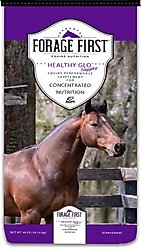
$44.99 Chewy Price
($1.13/lb) Price per Unit
$58.30 List Price
Autoship Price

$30.99 Chewy Price
($0.62/lb) Price per Unit
$42.99 List Price
Autoship Price
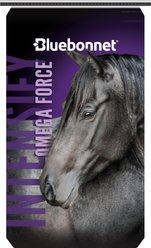
$41.99 Chewy Price
($0.84/lb) Price per Unit
$44.99 List Price
Autoship Price
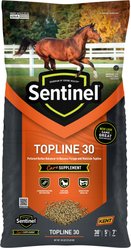
$39.99 Chewy Price
($0.80/lb) Price per Unit
$41.99 List Price
Autoship Price
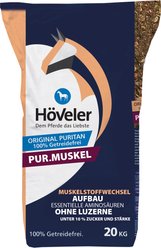
$51.99 Chewy Price
($1.19/lb) Price per Unit
$53.99 List Price
Autoship Price
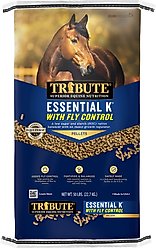
$41.14 Chewy Price
($0.83/lb) Price per Unit
Autoship Price
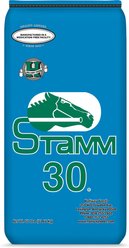
$39.99 Chewy Price
($0.80/lb) Price per Unit
$65.75 List Price
Autoship Price
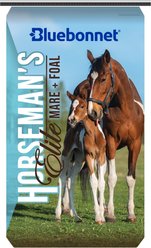
$29.49 Chewy Price
($0.59/lb) Price per Unit
$31.99 List Price
Autoship Price
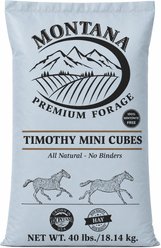
$27.50 Chewy Price
($0.69/lb) Price per Unit
Autoship Price
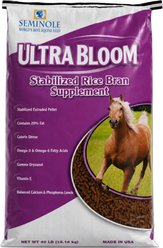
$53.99 Chewy Price
($1.35/lb) Price per Unit
Autoship Price
$53.99 Chewy Price
($1.08/lb) Price per Unit
$62.09 List Price
Autoship Price
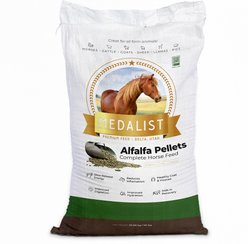
$32.99 Chewy Price
($0.66/lb) Price per Unit
Autoship Price
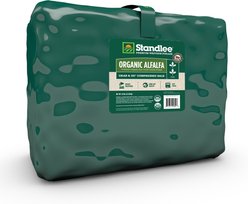
$34.99 Chewy Price
($0.70/lb) Price per Unit
Autoship Price
$28.79 Chewy Price
($0.58/lb) Price per Unit
Autoship Price
$32.99 Chewy Price
($0.66/lb) Price per Unit
Autoship Price
$35.99 Chewy Price
($0.72/lb) Price per Unit
$43.49 List Price
Autoship Price
$79.95 Chewy Price
($2.43/lb) Price per Unit
Autoship Price
$35.79 Chewy Price
($0.72/lb) Price per Unit
Autoship Price
$32.79 Chewy Price
($0.66/lb) Price per Unit
Autoship Price
$35.16 Chewy Price
($0.71/lb) Price per Unit
Autoship Price
$28.50 Chewy Price
($0.57/lb) Price per Unit
Autoship Price
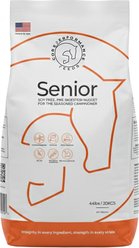
$53.95 Chewy Price
($1.23/lb) Price per Unit
Autoship Price
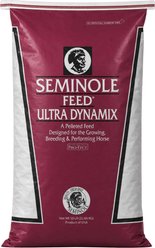
$31.20 Chewy Price
($0.63/lb) Price per Unit
$32.49 List Price
Autoship Price
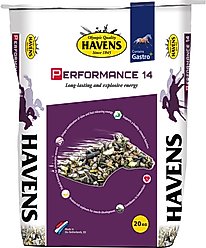
$51.50 Chewy Price
($1.18/lb) Price per Unit
Autoship Price
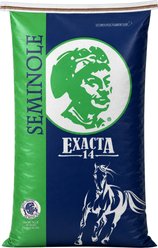
$31.13 Chewy Price
($0.63/lb) Price per Unit
$31.99 List Price
Autoship Price

$104.94 Chewy Price
($5.25/lb) Price per Unit
$105.99 List Price
Autoship Price
High Protein Horse Feed
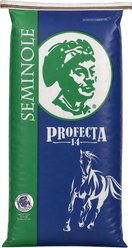
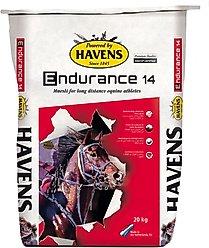
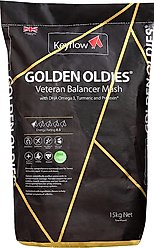
High protein horse feed is formulated to support horses with increased protein needs due to growth, muscle development, performance demands, or recovery. Protein plays a key role in building and maintaining muscle tissue, supporting topline condition, and aiding overall body repair. Horse feed high in protein is commonly used for young, growing horses, performance horses in training, broodmares, or horses that need additional support for muscle mass.
Chewy's selection of high protein horse feed includes textured feeds, pellets, and concentrates designed to deliver elevated protein levels alongside balanced energy, vitamins, and minerals. You will find protein horse feed formulated for different workloads, from moderate conditioning to more intensive performance programs. Some high protein horse feeds are designed to be fed as a complete concentrate, while others are intended to complement forage and existing rations. Choosing the right option depends on your horse's age, workload, and how protein intake fits into the total diet rather than focusing on protein alone. Here are some important things to consider when shopping for high protein horse feed:
-
Reason for higher protein: High protein horse feed supports growth, muscle development, and recovery needs
-
Protein level relative to workload: Matching protein percentage to training or activity level helps avoid excess
-
Forage quality: Horses on lower quality hay may benefit more from protein horse feed
-
Amino acid balance: Quality protein supports muscle more effectively than quantity alone
-
Feeding role: High protein feeds may replace or supplement standard concentrates depending on the diet
High protein horse feed can be a valuable part of a balanced feeding program when used intentionally and in the correct context. Because excess protein is not beneficial for all horses, working with a veterinarian or equine nutritionist can help ensure horse feed high in protein is appropriate for your individual horse.
Frequently Asked Questions about High Protein Horse Feed
What is high protein horse feed used for?
High protein horse feed is used to support muscle development, growth, and recovery in horses with higher nutritional demands. It is often fed to young horses, performance horses, and breeding animals.
How do I know if my horse needs more protein?
Signs that may indicate a need for additional protein include poor topline development, muscle loss, or increased training demands. Evaluating forage quality and consulting an equine professional can help guide decisions.
Does high protein horse feed make horses hot or energetic?
Protein itself does not directly cause excess energy. Energy levels are more closely tied to calorie and carbohydrate intake rather than protein percentage alone.
Category
Save 5% on repeat deliveries
Brand
7 Brands are shown below