
$94.98 Chewy Price
$171.99 List Price
Autoship Price
$82.80 Chewy Price
$190.99 List Price
Autoship Price
$89.72 Chewy Price
$89.99 List Price
Autoship Price


$52.99 Chewy Price
$113.99 List Price
Autoship Price
$89.00 Chewy Price
$89.99 List Price
Autoship Price

$49.99 Chewy Price
Autoship Price
$51.72 Chewy Price
$141.99 List Price
Autoship Price
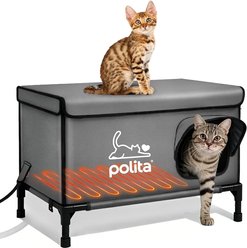
$159.99 Chewy Price
$199.99 List Price
Autoship Price
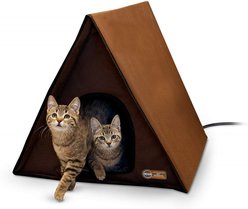
$98.77 Chewy Price
$214.99 List Price
Autoship Price
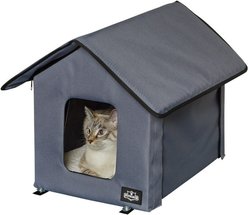
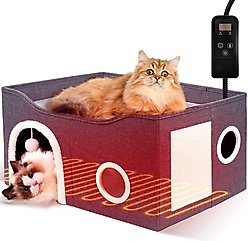
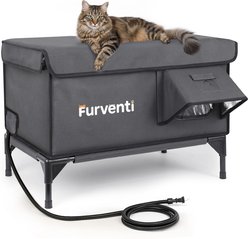
$161.99 Chewy Price
$179.99 List Price
Autoship Price
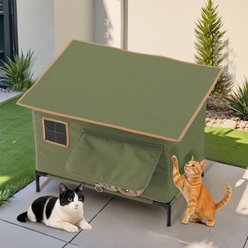
Out of Stock
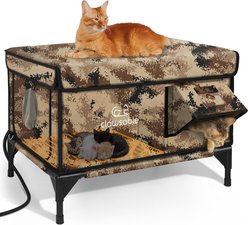
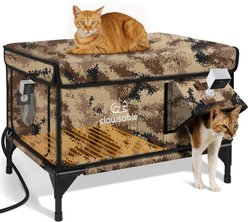
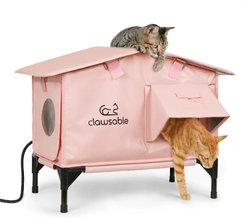
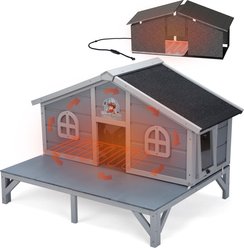
Out of Stock
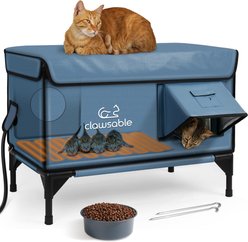
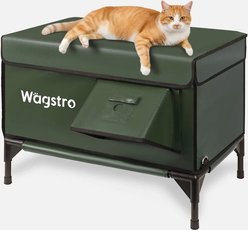
Out of Stock
Out of Stock
Out of Stock
Out of Stock
Out of Stock
Out of Stock
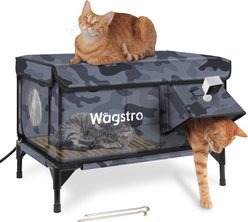
Out of Stock
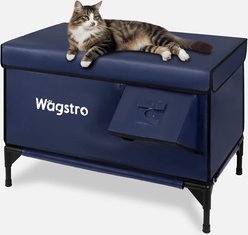
Out of Stock
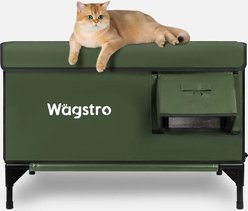
Out of Stock
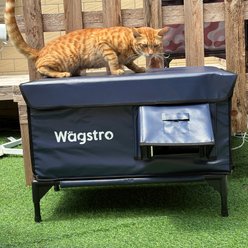
Out of Stock
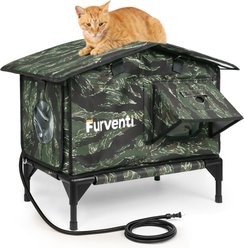
Out of Stock
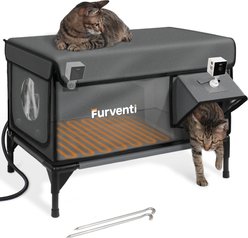
Out of Stock
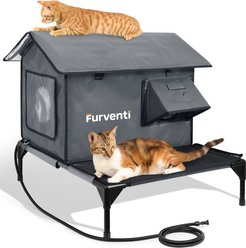
Out of Stock
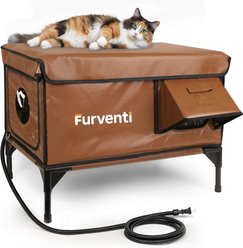
Out of Stock
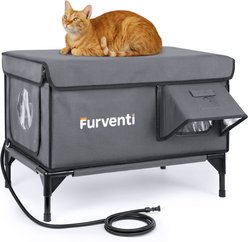
Heated Cat Houses
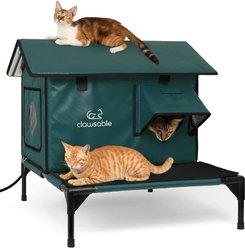
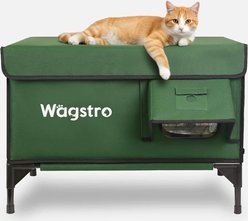
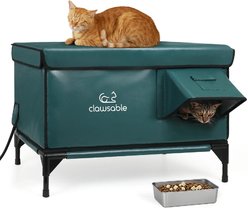
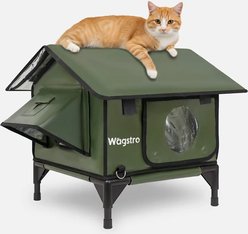
Heated cat houses offer a safe, cozy space for indoor and outdoor cats to stay warm in colder weather. Whether you're caring for a community cat, giving a barn cat extra comfort, or adding a little warmth to your indoor setup, these houses are designed with built-in or removable heating pads that provide gentle, consistent heat.
At Chewy, many of our heated cat houses feature low-voltage, thermostatically controlled pads that warm only when your cat is inside or resting on the surface. These shelters are typically constructed from insulated, weather-resistant materials and include safety-tested cords and removable covers for easy care. Choose from elevated platforms, enclosed shelters, or compact hideaways depending on your space and your cat's habits. Here are some things to consider when shopping for heated cat houses:
- Electric heating pads: Most models use low-wattage electric pads with thermostats for safe, regulated warmth
- Outdoor-ready materials: Waterproof, insulated fabrics and covered shelters help retain heat and block wind and moisture
- Safety features: Look for chew-resistant cords, UL-certified components, and temperature controls to prevent overheating
- Removable or washable covers: Cushions or heating pads are often removable for quick cleaning and seasonal storage
- Multiple access points: Some houses have two doors for escape routes, especially important for outdoor use
Chewy's heated cat houses combine warmth, comfort, and peace of mind - ideal for chilly garages, porches, barns, or sheltered outdoor spaces. With options built for both functionality and feline comfort, your cat can enjoy the cold season in safety and style.
Frequently Asked Questions about Heated Cat Houses
How do heated cat houses work?
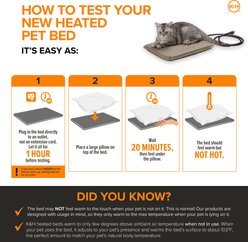
Most heated cat houses at Chewy include a low-wattage electric heating pad that sits inside the base or cushion of the shelter. These pads are thermostatically controlled, warming only to a cat-safe temperature when your cat is inside or lying on it. They're energy-efficient and designed to stay at a constant, cozy warmth, not overly hot.
Are the heating pads in these houses safe to use?
Yes. The heating pads used in Chewy's heated cat houses are typically tested for safety and include features like low-voltage operation, chew-resistant cords, and internal thermostats. For outdoor use, shelters often have weatherproof exteriors and cord protection to minimize risk. Always follow the manufacturer's setup and placement instructions.
How warm do the heating pads get?
Heating pads in cat houses usually warm to match your cat's natural body temperature (around 102�F) and are not meant to feel hot to the touch. Many models heat only when pressure is applied (i.e., when the cat lies down), which helps conserve energy and maintain comfort.
Features
Frame Material
Cover Material
Brand
7 Brands are shown below