
- Contains Live Feed
- Contains Live Feed
- Contains Live Feed
- Contains Live Feed
- Contains Live Feed
- Contains Live Feed

- Contains Live Feed

- Contains Live Feed
- Contains Live Feed
- Contains Live Feed

- Contains Live Feed
- Contains Live Feed
- Contains Live Feed
- Contains Live Feed

- Contains Live Feed

- Contains Live Feed
- Contains Live Feed
- Contains Live Feed

- Contains Live Feed
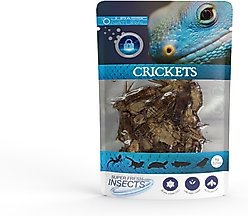
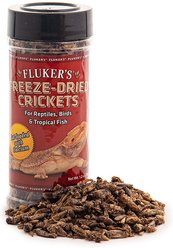
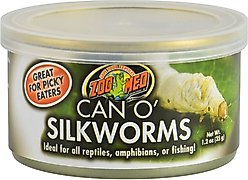
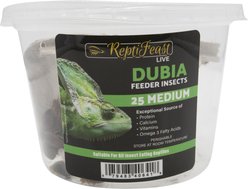
- Contains Live Feed
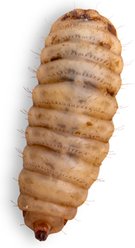
- Contains Live Feed
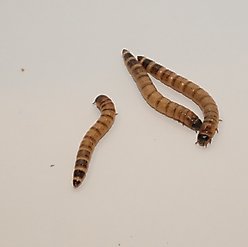
- Contains Live Feed
- Contains Live Feed
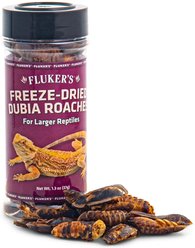
- Contains Live Feed
- Contains Live Feed
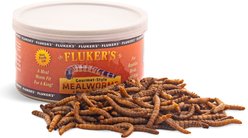
- Contains Live Feed
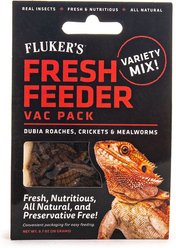
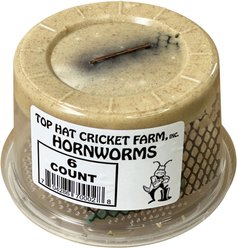
- Contains Live Feed
Leopard Gecko Food
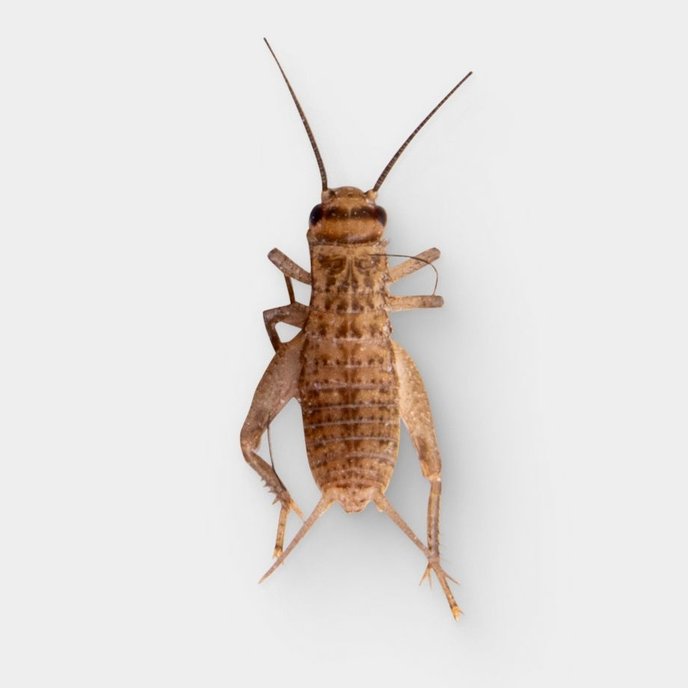
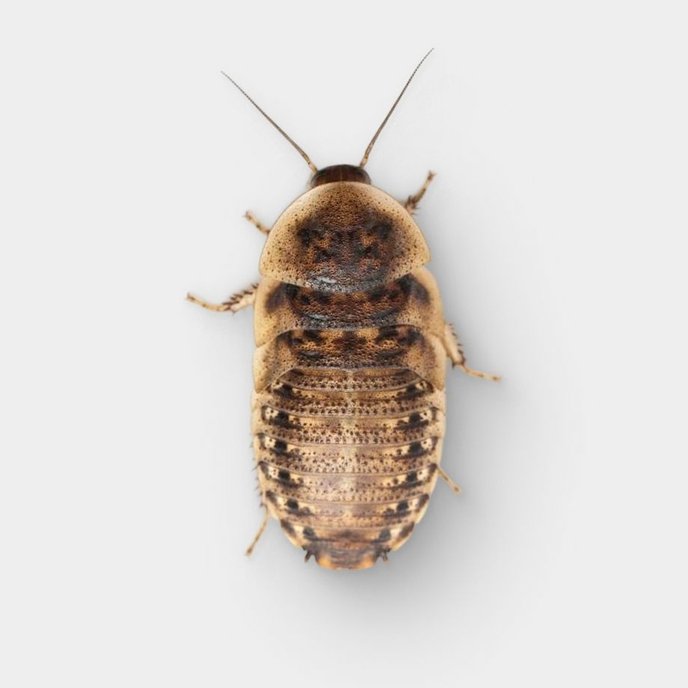
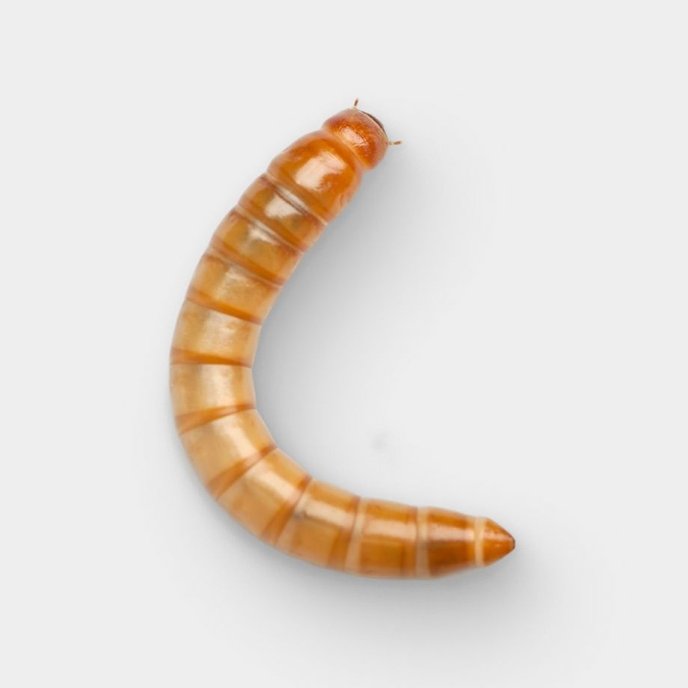
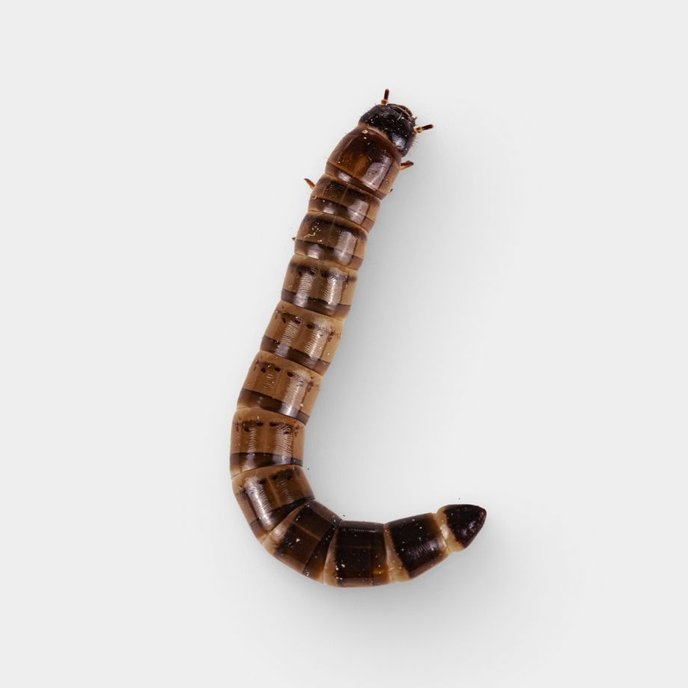
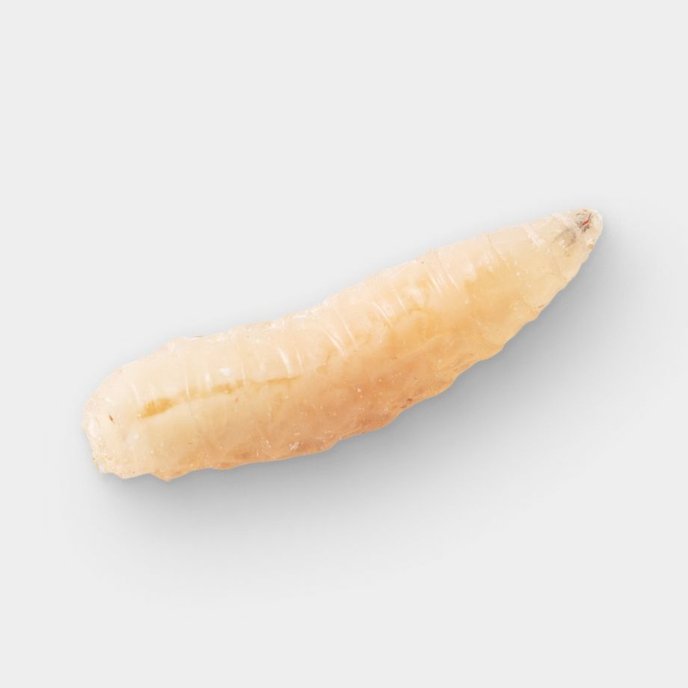
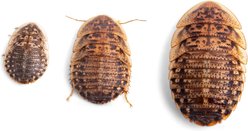
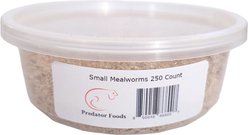
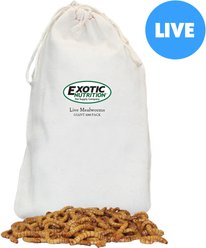
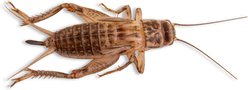
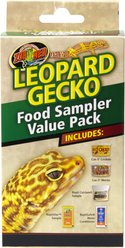
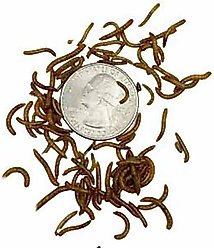
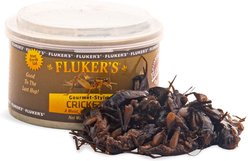
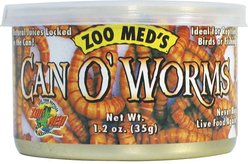
Leopard geckos may be small, but they have big appetites—feed them right with nutritious options! A well-balanced diet is essential for their growth, energy, and overall health. Leopard gecko food primarily consists of live insects, with options like crickets, mealworms, and dubia roaches providing the protein and nutrients they need. Supplemental powders, gut-loaded feeders, and hydration sources help complete their diet for optimal well-being. Some Key considerations when selecting leopard gecko food includes:
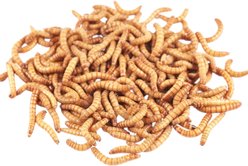
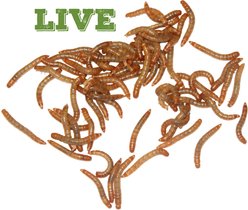
- Live insects: Crickets, mealworms, and dubia roaches are excellent protein sources
- Gut-loading: Feeding insects a nutrient-rich diet before offering them to your gecko ensures better nutrition
- Calcium and vitamins: Dusting feeder insects with calcium and multivitamin powders helps prevent deficiencies
- Feeding schedule: Hatchlings eat daily, while adults typically eat every other day
- Hydration: Leopard geckos get most of their moisture from food but benefit from a shallow water dish
Providing a variety of feeder insects and proper supplementation ensures your leopard gecko stays active, healthy, and well-nourished. With Chewy.com's Autoship service, you can have your gecko's favorite food delivered on a customized schedule, so you never run out of their essential nutrition.
Frequently Asked Questions about Leopard Gecko Food
What do leopard geckos eat?
Leopard geckos eat live insects such as crickets, mealworms, and dubia roaches. They require a high-protein diet with calcium and vitamin supplementation to support bone health and overall well-being.
Do leopard geckos eat only live food?
Leopard geckos prefer live prey, as movement stimulates their hunting instincts. While some may accept freeze-dried or canned insects, live insects provide the most natural and nutritionally beneficial diet.
How often should I feed my leopard gecko?
Young leopard geckos should be fed daily, while adults typically eat every other day. The number of insects per feeding depends on their size and activity level, but offering five to 10 appropriately sized insects per meal is common.