

$47.99 Chewy Price
$51.99 List Price
Autoship Price

$31.00 Chewy Price
$54.09 List Price
Autoship Price
$5.41 Chewy Price
($1.81/ea) Price per Unit
$8.99 List Price
Autoship Price
$7.20 Chewy Price
($0.72/oz) Price per Unit
Autoship Price
$12.64 Chewy Price
$17.99 List Price
Autoship Price
$7.99 Chewy Price
($0.92/fl oz) Price per Unit
$8.99 List Price
Autoship Price
$23.98 Chewy Price
$29.99 List Price
$143.99 Chewy Price
$185.60 List Price
Autoship Price
$79.99 Chewy Price
($36.36/l) Price per Unit
$89.99 List Price
Autoship Price
$14.99 Chewy Price
($0.94/oz) Price per Unit
$15.21 List Price
Autoship Price
$5.49 Chewy Price
($2.44/oz) Price per Unit
Autoship Price
$11.99 Chewy Price
$13.99 List Price
Autoship Price
$14.99 Chewy Price
($14.99/gl) Price per Unit
$17.99 List Price
Autoship Price
$49.99 Chewy Price
($16.67/ea) Price per Unit
Autoship Price
$16.99 Chewy Price
($1.07/oz) Price per Unit
Autoship Price
$7.15 Chewy Price
($3.58/fl oz) Price per Unit
Autoship Price
$7.82 Chewy Price
($7.82/ea) Price per Unit
Autoship Price
$5.99 Chewy Price
($0.75/oz) Price per Unit
$9.99 List Price
Autoship Price
$18.77 Chewy Price
$23.39 List Price
Autoship Price
$4.99 Chewy Price
($2.22/oz) Price per Unit
Autoship Price
$7.99 Chewy Price
$13.99 List Price
Autoship Price
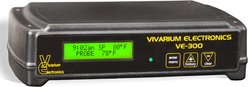




Chameleon Humidity Control
Chameleons need natural humidity cycles to thrive, and their ideal habitat should mimic what they would experience in the wild. To achieve that, you'll need some special chameleon humidity control equipment and an understanding of your particular species' needs. Here are some things you may need to measure and control humidity levels in your chameleon's enclosure:
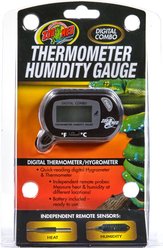
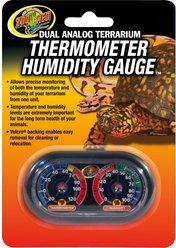
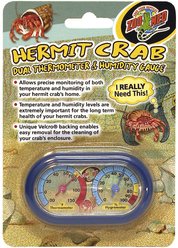
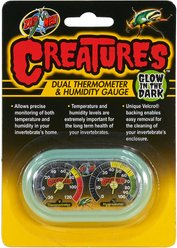
- Hygrometer: Available in digital and analog models, these measure humidity levels so you can adjust conditions as needed
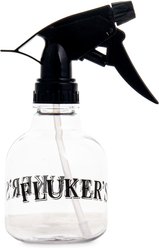
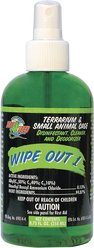
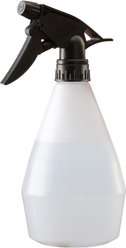
- Misting bottle: A spray bottle you use to mist your enclosure by hand
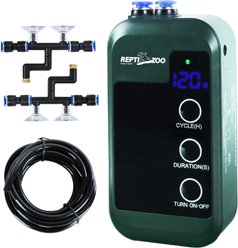
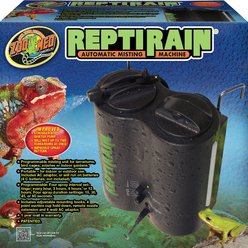
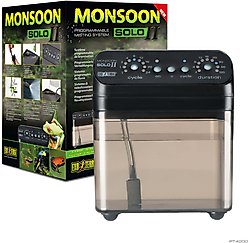
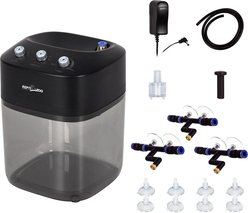
- Automatic misting machine: Lets you program spray times and durations to keep your enclosure regularly misted
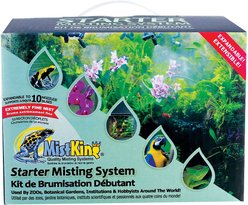
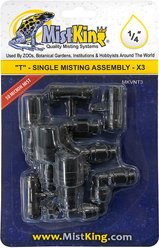
- Misting system: Includes multiple nozzles and tubing you can use to set up a custom, programmable system
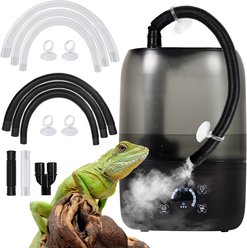
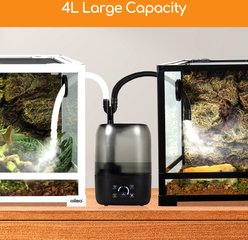
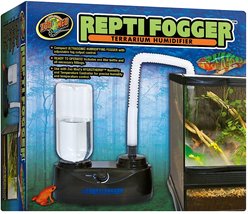
- Reptile fogger:: A good way to elevate humidity levels overnight
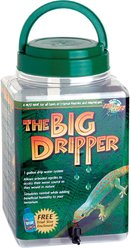
In addition to foggers and misters, many chameleon keepers also include a dripper to provide water for drinking. You may need to carefully monitor humidity levels and adjust misting and fogging routines to achieve the right conditions for your pet's good health. But with the right equipment, you should be able to make your chameleon's enclosure a healthy and comfortable place to live.
Frequently Asked Questions about Chameleon Humidity Control
What humidity level should a chameleon have?
A chameleon should have a humidity level that matches what they would experience in the wild. This varies considerably by species, and it changes between night and day. For daytime, a panther chameleon needs 50-60% humidity, a veiled chameleon needs 30-40% humidity, and a Jackson's chameleon does best with 30-50% humidity. At night, all species do best if the humidity level exceeds 70%.
How do you control humidity in a chameleon cage?
You control humidity in a chameleon cage using misters, foggers, and drippers. The type of enclosure and live plants can also play an important role in humidity control.
Do chameleons need high humidity?
Chameleons need high humidity at night — 70-100% is normal nighttime humidity for chameleons in the wild. During the day, they require much lower humidity, but the ideal amount will depend on what kind of chameleon you have.
How often should I mist my chameleon?
You should mist your chameleon a few times a day. Some experts recommend misting twice a day ideally once in the morning and once at night to avoid misting when the air is too warm. You may need to adjust the duration and frequency of misting to keep the enclosure's humidity within a proper range.
Save 5% on repeat deliveries
Product Type
Brand
7 Brands are shown below