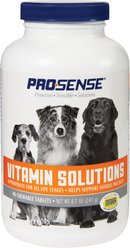
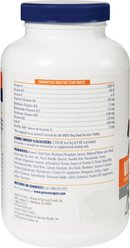

$6.89 Chewy Price
($0.08/ea) Price per Unit
Autoship Price
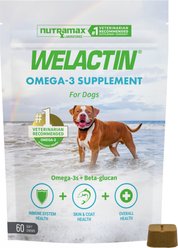
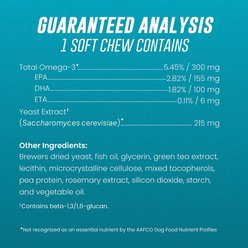
$24.97 Chewy Price
($0.42/ea) Price per Unit
Autoship Price


$38.00 Chewy Price
Autoship Price
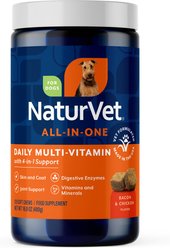
$19.99 Chewy Price
($0.17/ea) Price per Unit
$34.99 List Price
Autoship Price
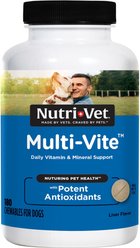
$19.11 Chewy Price
($0.11/ea) Price per Unit
$29.67 List Price
Autoship Price
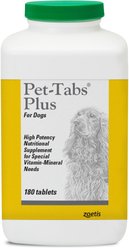
$49.88 Chewy Price
($0.28/ea) Price per Unit
$66.76 List Price
Autoship Price
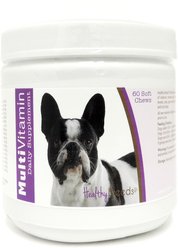
$15.99 Chewy Price
($15.99/ea) Price per Unit
Autoship Price
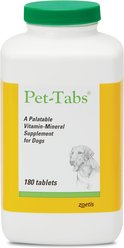
$47.20 Chewy Price
($0.27/ea) Price per Unit
$55.00 List Price
Autoship Price
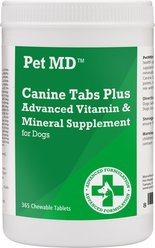
$36.99 Chewy Price
($0.11/ea) Price per Unit
$42.99 List Price
Autoship Price
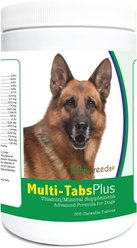
$29.95 Chewy Price
($0.09/ea) Price per Unit
Autoship Price
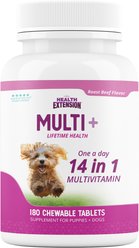
$40.98 Chewy Price
($0.23/ea) Price per Unit
Autoship Price
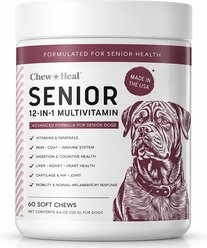
$19.99 Chewy Price
($0.34/ea) Price per Unit
$24.99 List Price
Autoship Price
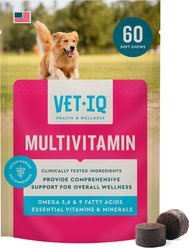
$11.99 Chewy Price
($0.20/ea) Price per Unit
$13.99 List Price
Autoship Price

$46.71 Chewy Price
($1.56/ea) Price per Unit
$54.58 List Price
Autoship Price
$19.95 Chewy Price
Autoship Price
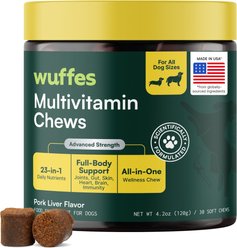
$38.95 Chewy Price
($1.30/ea) Price per Unit
Autoship Price
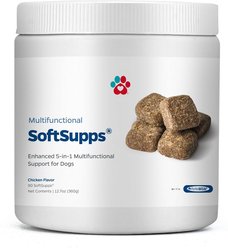
$29.99 Chewy Price
($0.34/ea) Price per Unit
Autoship Price
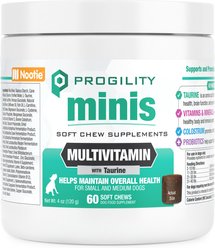
$19.99 Chewy Price
($0.34/ea) Price per Unit
Autoship Price

$16.38 Chewy Price
($0.14/ea) Price per Unit
$31.94 List Price
Autoship Price

$36.97 Chewy Price
($0.42/ea) Price per Unit
Autoship Price
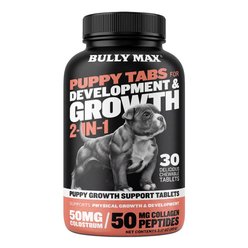
$22.99 Chewy Price
($7.19/oz) Price per Unit
Autoship Price
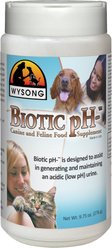
$24.49 Chewy Price
($2.52/oz) Price per Unit
Autoship Price
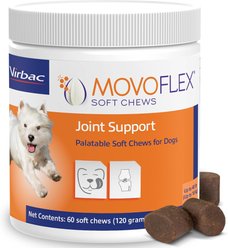
$58.09 Chewy Price
($0.97/ea) Price per Unit
Autoship Price
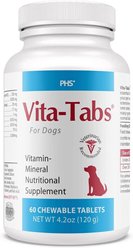
$10.99 Chewy Price
($0.19/ea) Price per Unit
$13.19 List Price
Autoship Price
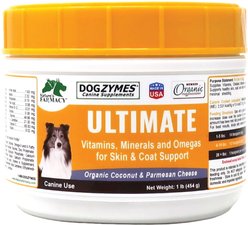
$49.95 Chewy Price
($49.95/lb) Price per Unit
Autoship Price
$14.23 Chewy Price
($0.24/ea) Price per Unit
$17.99 List Price
Autoship Price
$10.79 Chewy Price
($0.18/ea) Price per Unit
$13.99 List Price
Autoship Price
$55.73 Chewy Price
($0.93/ea) Price per Unit
$64.09 List Price
Autoship Price
$49.27 Chewy Price
($0.14/ea) Price per Unit
$59.99 List Price
Autoship Price

$21.83 Chewy Price
($10.92/fl oz) Price per Unit
$27.29 List Price
Autoship Price
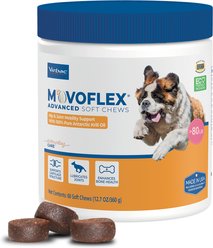
$74.08 Chewy Price
($1.24/ea) Price per Unit
$85.19 List Price
Autoship Price
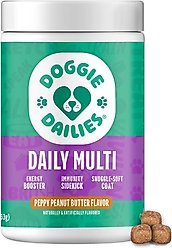
$34.99 Chewy Price
($0.16/ea) Price per Unit
$38.22 List Price
Autoship Price
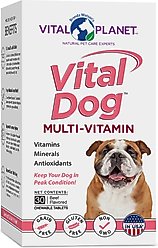
$32.99 Chewy Price
($1.10/ea) Price per Unit
Autoship Price
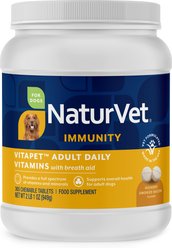
$44.27 Chewy Price
($0.13/ea) Price per Unit
$53.99 List Price
Autoship Price

$18.95 Chewy Price
($0.64/ea) Price per Unit
Autoship Price

$22.19 Chewy Price
($1.39/fl oz) Price per Unit
$22.98 List Price
Autoship Price
Vitamin D for Dogs
Reviewed by Dr. Angela Beal, DVM
Vitamin D for dogs plays an essential role in maintaining bone health, calcium balance, and overall metabolic function. Unlike humans, dogs don’t efficiently produce vitamin D from sunlight, so they rely on dietary intake to meet their needs. Because of this, maintaining proper levels is important, but supplementation must be handled carefully since too much vitamin D can be harmful.
Most dogs receive adequate vitamin D through complete and balanced dog food, but additional support may be included as part of multivitamins or targeted wellness supplements. These products often combine vitamin D with other nutrients like calcium, phosphorus, and omega-3 fatty acids to support bone strength, immune health, and overall vitality. You’ll typically see vitamin D included in soft chews, tablets, and multivitamin blends rather than as a standalone supplement. Here are some things to consider when choosing vitamin D support for your pup:
- Bone and calcium support: Vitamin D helps regulate calcium and phosphorus for strong bones and teeth
- Diet-based nutrient: Most dogs get vitamin D through food rather than sunlight
- Included in blends: Commonly found in multivitamins and wellness supplements
- Balanced intake matters: Too little or too much can impact overall health
- Veterinary guidance: Important when considering additional supplementation
Vitamin D supplements for dogs are typically used as part of a balanced nutritional approach rather than a primary supplement on their own. Because vitamin D levels must stay within a safe range, it’s always a good idea to consult your veterinarian before adding extra supplementation.
Frequently Asked Questions about Vitamin D for Dogs
Can I give my dog human vitamin D supplements?
It’s not recommended to give your dog human vitamin D supplements unless your veterinarian specifically advises it. Human products often contain doses that are too high for dogs and can increase the risk of vitamin D toxicity. If your dog needs additional vitamin D, your veterinarian can recommend a safe, properly formulated option.
Can too much vitamin D be harmful to dogs?
Yes, excess vitamin D can be toxic to dogs and lead to serious health issues. That’s why vitamin D supplements for dogs should only be used when needed and in the correct amounts.
What are signs of vitamin D deficiency in dogs?
Low vitamin D levels may affect bone strength and overall health, though true deficiency is uncommon in dogs eating balanced diets. A veterinarian can determine if supplementation is necessary.
Category
Save 5% on repeat deliveries
Health Feature
Brand
7 Brands are shown below