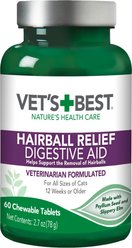


$7.37 Chewy Price
($0.13/ea) Price per Unit
$13.24 List Price
Autoship Price
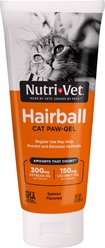

$9.94 Chewy Price
($3.32/oz) Price per Unit
$11.97 List Price
Autoship Price
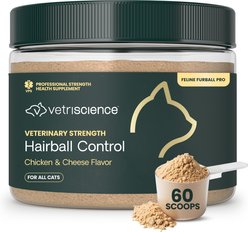
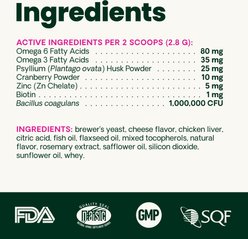
$25.00 Chewy Price
($4.17/oz) Price per Unit
Autoship Price
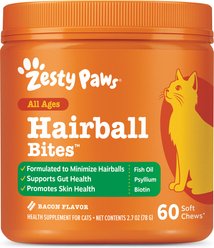
$17.47 Chewy Price
($0.30/ea) Price per Unit
Autoship Price
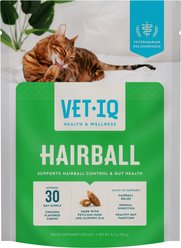
$12.99 Chewy Price
($3.52/oz) Price per Unit
$14.99 List Price
Autoship Price
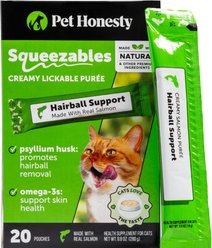
$24.99 Chewy Price
($1.25/ea) Price per Unit
Autoship Price
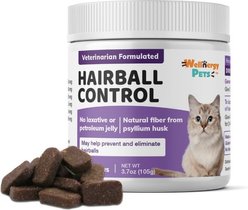
$16.97 Chewy Price
($0.25/ea) Price per Unit
$16.99 List Price
Autoship Price
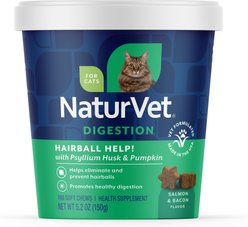
$17.77 Chewy Price
($0.18/ea) Price per Unit
$21.99 List Price
Autoship Price
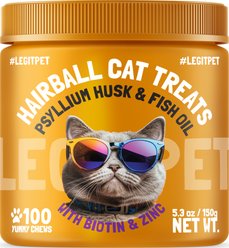
$19.99 Chewy Price
($0.20/ea) Price per Unit
$26.99 List Price
Autoship Price
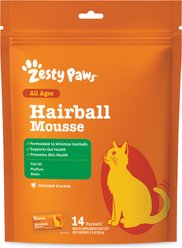
$16.47 Chewy Price
($1.18/ea) Price per Unit
Autoship Price
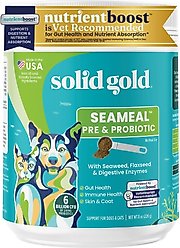
$29.99 Chewy Price
($3.75/oz) Price per Unit
Autoship Price
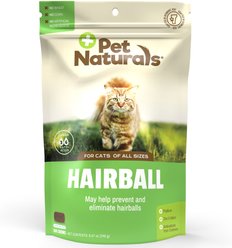
$18.53 Chewy Price
($0.12/ea) Price per Unit
$36.99 List Price
Autoship Price
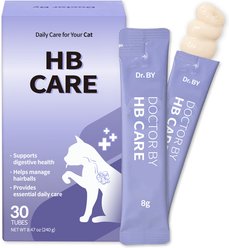
$34.49 Chewy Price
($1.15/ea) Price per Unit
Autoship Price
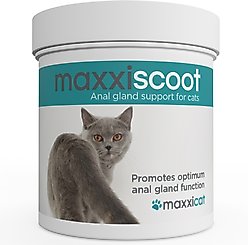
$17.62 Chewy Price
($5.51/oz) Price per Unit
$22.47 List Price
Autoship Price
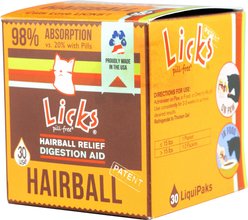
$29.98 Chewy Price
($1.00/ea) Price per Unit
$29.99 List Price
Autoship Price
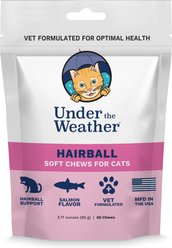
$18.99 Chewy Price
($6.00/oz) Price per Unit
Autoship Price

$12.74 Chewy Price
($3.64/oz) Price per Unit
$14.99 List Price
Autoship Price
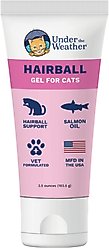
$16.99 Chewy Price
($4.86/oz) Price per Unit
Autoship Price
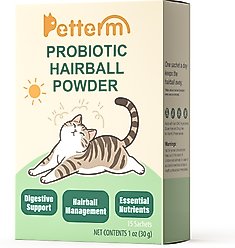
$19.99 Chewy Price
($1.34/ea) Price per Unit
Autoship Price
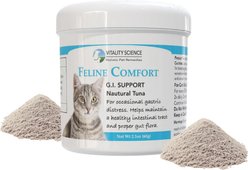
$28.95 Chewy Price
($0.49/g) Price per Unit
Autoship Price
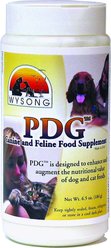
$16.09 Chewy Price
($2.69/oz) Price per Unit
Autoship Price
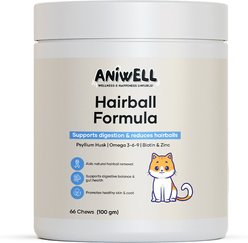
$29.99 Chewy Price
($0.50/ea) Price per Unit
Autoship Price
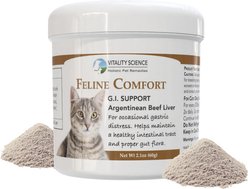
$28.95 Chewy Price
($0.49/g) Price per Unit
Autoship Price
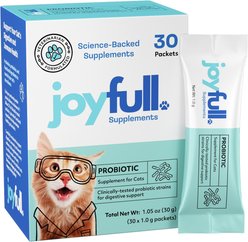
New
$29.89 Chewy Price
($1.00/ea) Price per Unit
$35.00 List Price
Autoship Price
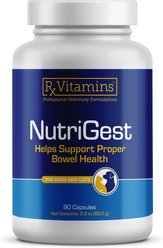
$30.79 Chewy Price
($0.35/ea) Price per Unit
$38.49 List Price
Autoship Price
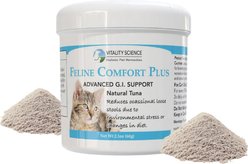
$29.95 Chewy Price
($0.50/g) Price per Unit
Autoship Price
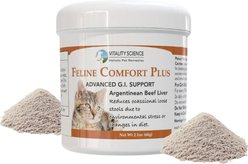
$29.95 Chewy Price
($0.50/g) Price per Unit
Autoship Price
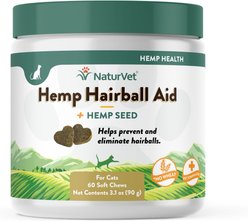
$14.97 Chewy Price
($0.25/ea) Price per Unit
$17.99 List Price
Autoship Price
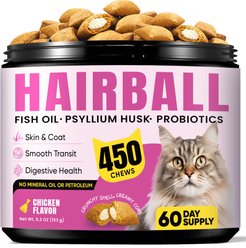
Psyllium For Cats
Reviewed by Dr. Angela Beal, DVM
Psyllium for cats is commonly used to help support digestive health, especially for cats dealing with hairballs, irregular stools, or occasional constipation. As a natural source of soluble fiber, psyllium husk for cats works by absorbing moisture in the digestive tract, which can help move things along more smoothly. It’s often included in supplements aimed at promoting gut balance and helping cats feel more comfortable day to day.
Chewy’s assortment of psyllium-based products for cats includes powders, chews, and multi-functional supplements that often combine fiber with ingredients like probiotics, omega fatty acids, or hairball-support nutrients. Many of these formulas are designed to be mixed into food or given as a treat, making them easy to incorporate into your cat’s routine. Whether your cat needs occasional support or ongoing digestive care, psyllium husk can be a helpful addition when used appropriately. Here are some things to consider when shopping for psyllium for cats:
- Digestive support: Psyllium husk helps regulate stool consistency and supports overall gut health
- Hairball management: Fiber can help move ingested hair through the digestive system more efficiently
- Formulation types: Available as powders, chews, or blends with probiotics and other functional ingredients
- Ease of use: Powders mix easily into meals while chews can be given as a treat
- Consistent routine: Regular use may provide more noticeable digestive and hairball support over time
Psyllium husk for cats can be a simple way to support digestive balance and reduce hairball-related issues, especially for indoor cats or heavy groomers. Because fiber needs vary by cat, it’s a good idea to consult your veterinarian before introducing a new supplement. For daily support, Autoship can help ensure your cat’s routine stays consistent and easy to maintain.
Frequently Asked Questions about Psyllium For Cats
What does psyllium do for cats?
Psyllium for cats acts as a soluble fiber that absorbs water and helps regulate digestion. It can support more consistent stool quality and may help move hair through the digestive tract, which is especially helpful for cats prone to hairballs. This makes it a common ingredient in digestive and hairball supplements.
Is psyllium husk safe for cats?
Psyllium husk for cats is generally safe when used in appropriate amounts and according to product directions. Because it absorbs water, it’s important that cats stay well hydrated while using fiber supplements. Consulting your veterinarian can help ensure it’s the right fit for your cat’s needs.
Can psyllium help with cat hairballs?
Yes, psyllium may help reduce hairball formation by supporting normal digestive movement. By helping move ingested hair through the system more efficiently, it can reduce the frequency of hairballs in some cats. Results can vary depending on grooming habits and diet.
Category
Save 5% on repeat deliveries
Health Feature
Lifestage
Product Form
Active Ingredient
Brand
7 Brands are shown below