
$35.97 Chewy Price
($1.80/lb) Price per Unit
$54.99 List Price
Autoship Price
$14.09 Chewy Price
($1.41/lb) Price per Unit
$14.99 List Price
Autoship Price
$14.99 Chewy Price
($1.08/lb) Price per Unit
$19.99 List Price
Autoship Price
$9.49 Chewy Price
($0.48/lb) Price per Unit
$11.99 List Price
Autoship Price
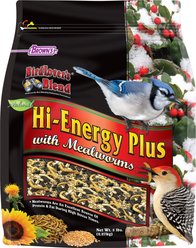
$14.99 Chewy Price
($3.00/lb) Price per Unit
$20.99 List Price
Autoship Price
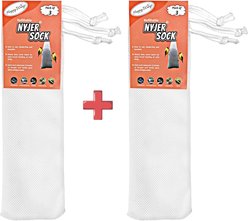
$6.98 Chewy Price
($2.33/ea) Price per Unit
$11.98 List Price
Autoship Price
$33.29 Chewy Price
($1.85/lb) Price per Unit
$48.99 List Price
Autoship Price
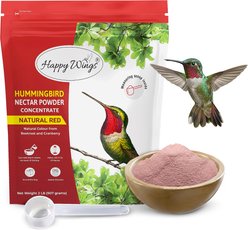
$12.97 Chewy Price
($6.49/lb) Price per Unit
$16.98 List Price
Autoship Price
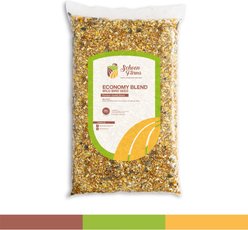
$12.99 Chewy Price
($2.17/lb) Price per Unit
Autoship Price
Mockingbird Food
Food for mockingbirds is designed to support their omnivorous feeding habits, which differ from many seed-focused backyard birds. Mockingbirds are opportunistic feeders, eating a variety of insects, arthropods, fruits, berries, and some seeds, depending on seasonal availability. They'll eat insects in the warmer months and shift to fruits and berries in the fall and winter.
Chewy's selection of mockingbird food includes fruit-based blends, high-energy mixes, sunflower seeds, and dried insects. These foods are often offered in tray feeders, platform feeders, or ground-style setups where mockingbirds can land and eat comfortably without navigating narrow feeding ports. Here are some factors to consider when shopping for mockingbird food:
-
Diet variety: Mockingbirds enjoy a wide variety of fruits, berries, insects, and seeds.
-
Fruit-forward blends: Foods focused on fruit rather than seeds may be more appealing to mockingbirds.
-
Feeder compatibility: Choose mockingbird food suited to your feeder setup.
-
Seasonal needs: Rotate your mockingbird food to align with seasonal shifts in diet.
Choosing food for mockingbirds that aligns with both their diet and feeding style can help encourage visits while reducing wasted food. Offer a variety of foods to see what your local mockingbirds like, adjusting the offerings by season to encourage year-round visits.
Frequently Asked Questions about Mockingbird Food
What do mockingbirds eat most?
What mockingbirds eat most depends on the time of year, which affects the kind of food available. During the spring and summer, mockingbirds eat a lot of insects. Their diet may shift to fruits and berries during the fall and winter.
Is mockingbird food different from other bird food?
Mockingbird is different from other bird food because it tends to focus less on seeds and more on fruit, berries, and insects. Food for mockingbirds is designed to reflect their omnivorous eating habits.
Will mockingbird food attract other birds?
Mockingbird food may attract other birds that enjoy fruit or open feeding areas. Because mockingbirds can be territorial, proper feeder placement is important to help manage how different birds share the space.
Save 5% on repeat deliveries
Bird Type
Wild Bird Food Form
Brand
6 Brands are shown below