
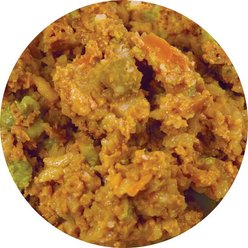

$33.48 Chewy Price
($0.22/oz) Price per Unit
$35.88 List Price
Autoship Price
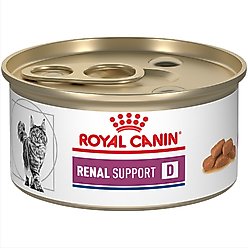
$69.36 Chewy Price
($0.97/oz) Price per Unit
Autoship Price
- Veterinary Diet Item

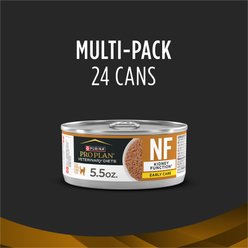
$74.99 Chewy Price
($0.57/oz) Price per Unit
Autoship Price
- Veterinary Diet Item
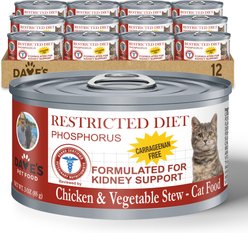
$22.99 Chewy Price
($0.64/oz) Price per Unit
Autoship Price
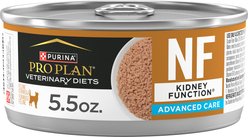
$74.99 Chewy Price
($0.57/oz) Price per Unit
Autoship Price
- Veterinary Diet Item
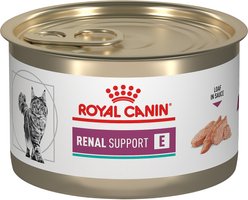
$83.76 Chewy Price
($0.69/oz) Price per Unit
Autoship Price
- Veterinary Diet Item
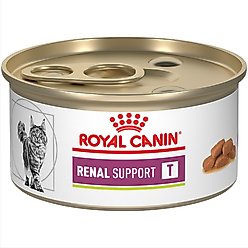
$69.36 Chewy Price
($0.97/oz) Price per Unit
Autoship Price
- Veterinary Diet Item
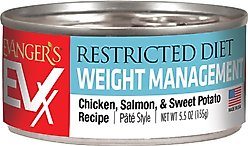
$50.15 Chewy Price
($0.38/oz) Price per Unit
$52.99 List Price
Autoship Price
Low Protein Wet Cat Food
Low-protein wet cat food is specially formulated for cats who require a controlled protein intake, such as those managing kidney or certain types of liver disease. These special diets combine complete and balanced nutrition with low to moderate protein levels, helping to reduce strain on vital organs while keeping your cat nourished and satisfied. Their soft, hydrating texture and palatable flavor makes them a great choice for senior cats and picky eaters with kidney and liver health concerns, too. Here are some things to look for in a low-protein wet cat food:
-
Controlled protein levels: Lower protein content helps support cats with chronic kidney disease or liver issues.
-
Complete and balanced nutrition: Provides essential nutrients while managing protein intake.
-
Moisture-rich formula: Promotes hydration and urinary tract health.
-
Veterinary formulas: Many recipes are veterinarian-formulated or prescription diets that ensure precise protein and nutritional content.
-
Digestion-friendly: Easily digestible ingredients are ideal for cats with chronic health conditions.
If your vet recommends it, feeding a low-protein wet cat food can help your kidney or liver-challenged kitty feel better and thrive. Choose from a variety of recipes in enticing flavors and textures to help your cat eat more and enjoy every bite. With trusted brands and vet-developed recipes, Chewy makes it easy to find the right formula, and you can set all your kitty's favorites to Autoship so you'll always have plenty on hand.
Frequently Asked Questions about Low Protein Wet Cat Food
Why would a cat need low-protein food?
The main reasons a cat would need low-protein food are kidney or liver disease. For cats with chronic kidney disease, reducing protein intake helps minimize the waste-filtering workload on these organs. Cats with certain liver issues may also benefit from reduced protein, but a low-protein diet is not recommended for all of them. See your vet for any health concerns and follow their dietary recommendations closely.
Is low-protein wet cat food safe for daily feeding?
Low-protein wet cat food is only safe for daily feeding if your vet recommends it. A low-protein diet is not usually appropriate for healthy cats, and cats with serious kidney or liver issues usually need a very specific (usually prescription formula) low-protein cat food formula. Always consult your vet before making dietary changes and follow their feeding instructions closely.
Can I mix low-protein wet food with dry food?
You can sometimes mix low-protein wet food with dry food, but check with your vet to be sure. You'll probably need to ensure that the dry food is an appropriate formula with the right levels of protein and other nutrients for your cat's health condition. In addition, dry food may not be suitable for cats with conditions like kidney disease due to its lower moisture content.
Save 5% on repeat deliveries
Brand
4 Brands are shown below