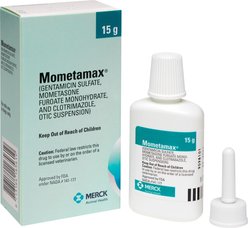

$53.99 Chewy Price
($3.60/g) Price per Unit
Autoship Price
- Prescription Item
$36.80 Chewy Price
($1.23/mL) Price per Unit
$43.00 List Price
Autoship Price
- Prescription Item
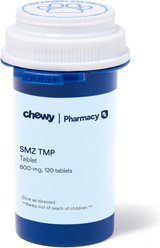
$18.00 Chewy Price
($0.15/ea) Price per Unit
Autoship Price
- Prescription Item


$38.99 Chewy Price
($3.90/mL) Price per Unit
$40.59 List Price
Autoship Price
- Prescription Item

$32.19 Chewy Price
($4.30/mL) Price per Unit
Autoship Price
- Prescription Item
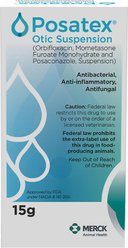
$68.99 Chewy Price
($4.60/g) Price per Unit
Autoship Price
- Prescription Item
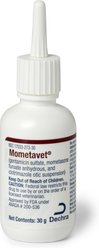
$38.66 Chewy Price
($1.29/g) Price per Unit
Autoship Price
- Prescription Item
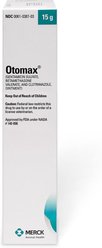
$49.99 Chewy Price
($3.34/g) Price per Unit
Autoship Price
- Prescription Item
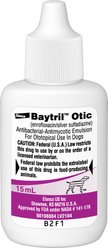
$25.86 Chewy Price
($1.73/mL) Price per Unit
Autoship Price
- Prescription Item
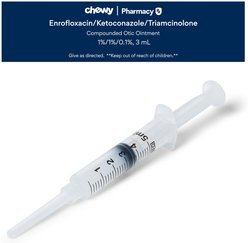
$11.29 Chewy Price
($3.77/mL) Price per Unit
Autoship Price
- Prescription Item
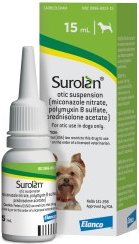
$40.19 Chewy Price
($2.68/mL) Price per Unit
Autoship Price
- Prescription Item
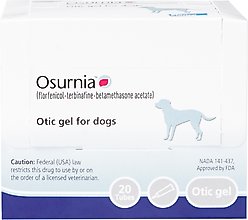
$36.80 Chewy Price
($18.40/ea) Price per Unit
Autoship Price
- Prescription Item
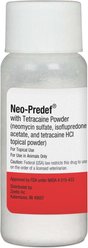
$33.05 Chewy Price
($2.21/g) Price per Unit
Autoship Price
- Prescription Item
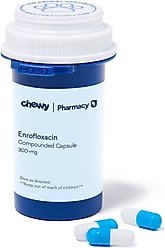
$2.90 Chewy Price
($2.90/ea) Price per Unit
Autoship Price
- Prescription Item
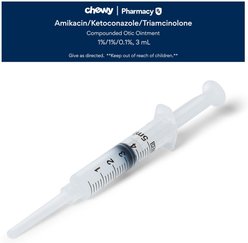
$13.13 Chewy Price
($4.38/mL) Price per Unit
Autoship Price
- Prescription Item
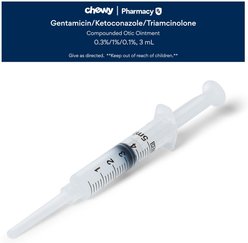
$15.75 Chewy Price
($5.25/mL) Price per Unit
Autoship Price
- Prescription Item
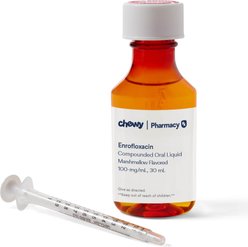
$50.67 Chewy Price
($1.69/mL) Price per Unit
Autoship Price
- Prescription Item
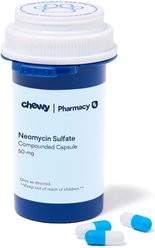
$29.40 Chewy Price
($0.98/ea) Price per Unit
Autoship Price
- Prescription Item
Ear Infection Antibiotics for Dogs
Reviewed by Dr. Angela Beal, DVM
Dog ear infection antibiotics are used to help treat bacterial ear infections that can cause discomfort, odor, redness, and discharge. Ear infections are a common issue in dogs, especially those with floppy ears, allergies, or frequent moisture exposure. Because these conditions can worsen quickly if left untreated, veterinarians often recommend targeted treatment to help clear the infection and restore ear health.
Ear infection antibiotics for dogs are typically available as prescription medications, often in the form of ear drops, ointments, or oral treatments depending on the severity and cause. These treatments are designed to address bacterial infections and are sometimes combined with anti-fungal or anti-inflammatory ingredients. Since not all ear issues are caused by bacteria, proper diagnosis from a veterinarian is important before starting antibiotics. Here are some things to consider when shopping for dog ear infection antibiotics:
- Veterinary diagnosis: Antibiotics are used for bacterial infections and should be selected based on a confirmed diagnosis by a licensed veterinarian
- Treatment type: Options may include ear drops, ointments, or oral medications, depending on the infection
- Combined formulas: Some treatments include antifungal or anti-inflammatory ingredients for broader support
- Proper application: Following directions closely helps ensure the treatment works effectively
- Underlying causes: Allergies, moisture, or debris may contribute to infections and should be managed alongside treatment
Antibiotics play an important role in helping dogs recover comfortably from bacterial ear issues, but they are most effective when used as part of a veterinarian-guided treatment plan. Addressing both the infection and its underlying cause can help reduce the chance of recurrence and support long-term ear health.
Frequently Asked Questions about Ear Infection Antibiotics for Dogs
Do dogs need a prescription for ear infection antibiotics?
Yes. Most ear infection antibiotics for dogs require a veterinary prescription because they are used to treat specific bacterial infections. A veterinarian will examine the ear, determine the cause, and recommend the most appropriate medication for safe and effective treatment.
What are signs of an ear infection in dogs?
Common signs include head shaking, scratching at the ears, redness, swelling, odor, and discharge. Some dogs may also show discomfort when their ears are touched. Because these symptoms can also be caused by yeast infections or ear mites, a proper diagnosis is important before starting treatment.
Can I use over-the-counter treatments instead of prescription antibiotics?
Over-the-counter products may help clean the ear or manage mild irritation, but they do not replace antibiotics when a bacterial infection is present. Using the wrong treatment can delay recovery, so veterinary guidance is recommended if symptoms persist.
Category
Save 5% on repeat deliveries
Health Condition
Drug Type
Product Form
Brand
7 Brands are shown below