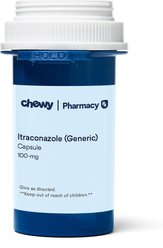
$119.40 Chewy Price
($1.99/ea) Price per Unit
Autoship Price
- Prescription Item
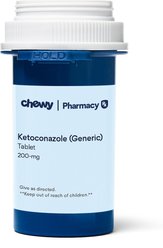
$20.40 Chewy Price
($0.68/ea) Price per Unit
Autoship Price
- Prescription Item
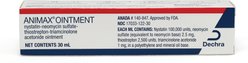
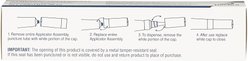

$36.80 Chewy Price
($1.23/mL) Price per Unit
$43.00 List Price
Autoship Price
- Prescription Item
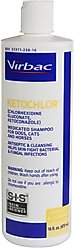
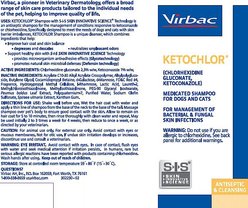
$45.12 Chewy Price
($2.82/oz) Price per Unit
$51.89 List Price
Autoship Price
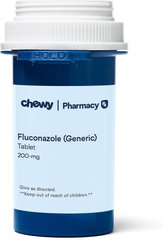
$33.60 Chewy Price
($0.56/ea) Price per Unit
Autoship Price
- Prescription Item
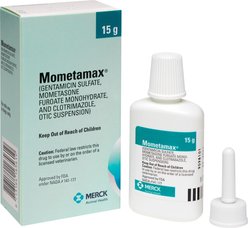
$53.99 Chewy Price
($3.60/g) Price per Unit
Autoship Price
- Prescription Item
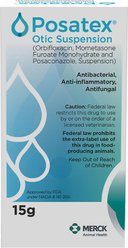
$68.99 Chewy Price
($4.60/g) Price per Unit
Autoship Price
- Prescription Item
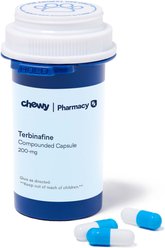
$34.80 Chewy Price
($1.16/ea) Price per Unit
Autoship Price
- Prescription Item
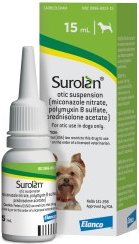
$40.19 Chewy Price
($2.68/mL) Price per Unit
Autoship Price
- Prescription Item
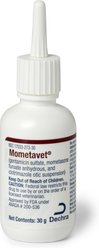
$38.66 Chewy Price
($1.29/g) Price per Unit
Autoship Price
- Prescription Item
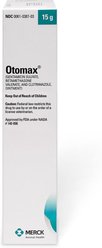
$49.99 Chewy Price
($3.34/g) Price per Unit
Autoship Price
- Prescription Item
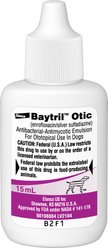
$25.86 Chewy Price
($1.73/mL) Price per Unit
Autoship Price
- Prescription Item

$32.19 Chewy Price
($4.30/mL) Price per Unit
Autoship Price
- Prescription Item
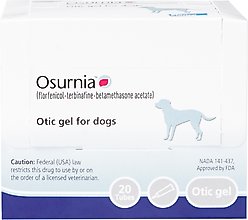
$36.80 Chewy Price
($18.40/ea) Price per Unit
Autoship Price
- Prescription Item
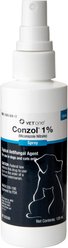
$10.24 Chewy Price
($0.09/mL) Price per Unit
Autoship Price
- Prescription Item
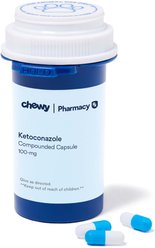
$20.10 Chewy Price
($0.67/ea) Price per Unit
Autoship Price
- Prescription Item
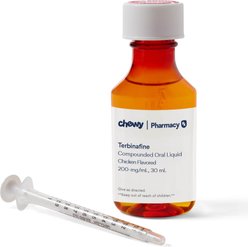
$69.99 Chewy Price
($2.34/mL) Price per Unit
Autoship Price
- Prescription Item
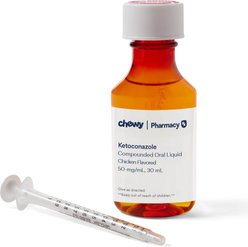
$50.14 Chewy Price
($1.68/mL) Price per Unit
Autoship Price
- Prescription Item
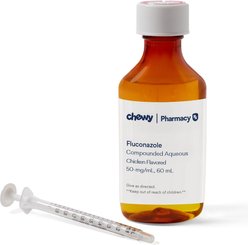
$58.75 Chewy Price
($0.98/mL) Price per Unit
Autoship Price
- Prescription Item
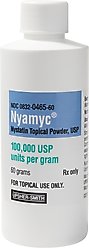
$17.00 Chewy Price
($0.29/g) Price per Unit
Autoship Price
- Prescription Item
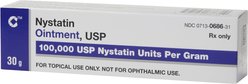
$11.00 Chewy Price
($0.37/g) Price per Unit
Autoship Price
- Prescription Item
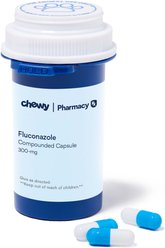
$0.74 Chewy Price
($0.74/ea) Price per Unit
Autoship Price
- Prescription Item
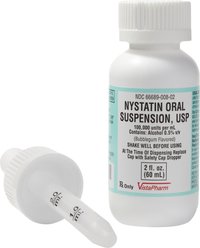
$19.99 Chewy Price
($0.34/mL) Price per Unit
Autoship Price
- Prescription Item
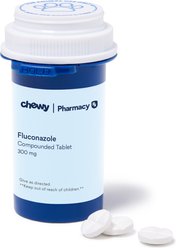
$0.67 Chewy Price
($0.67/ea) Price per Unit
Autoship Price
- Prescription Item
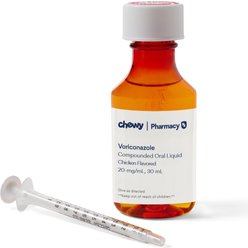
$50.35 Chewy Price
($1.68/mL) Price per Unit
Autoship Price
- Prescription Item
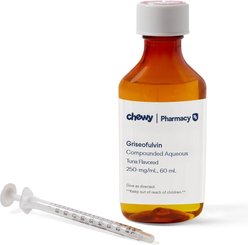
$66.15 Chewy Price
($1.11/mL) Price per Unit
Autoship Price
- Prescription Item
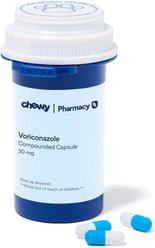
$47.10 Chewy Price
($1.57/ea) Price per Unit
Autoship Price
- Prescription Item
Out of Stock
Antifungals for Dogs
Reviewed by Dr. Angela Beal, DVM
An antifungal for dogs helps treat fungal infections that can affect the skin, ears, or other areas of the body. These infections may show up as itching, redness, odor, hair loss, or discharge, and they often require targeted treatment to fully resolve. Because fungal infections can vary in severity and may resemble other conditions, proper diagnosis is an important first step before starting any dog antifungal treatment.
Most dog antifungal medications are available by prescription and come in several forms, including topical ointments, ear drops, and oral treatments. Chewy’s assortment reflects this, with many vet-prescribed options designed to address specific infections such as yeast-related skin issues or ear infections. These treatments may also include additional ingredients like anti-inflammatories or antibiotics to support more comprehensive care when needed. Here are some things to consider when shopping for an antifungal for dogs:
- Prescription requirement: Most antifungal treatments require veterinary approval for accurate diagnosis and safe use
- Treatment type: Options include topical ointments, ear drops, and oral medications, depending on the infection
- Targeted therapy: Products are designed to treat specific fungal conditions, such as skin or ear infections
- Combination formulas: Some medications include antibacterial or anti-inflammatory ingredients for broader support
- Consistent treatment plan: Following the full course helps prevent recurrence and supports complete recovery
Dog antifungal treatments play an important role in resolving infections and restoring comfort, but they work best when used under veterinary guidance. Because fungal issues can return if not fully treated, consistency and follow-up care are key. Chewy makes it easy to manage prescriptions and refills, and Autoship can help ensure your dog’s medication is always available when needed.
Frequently Asked Questions about Antifungals for Dogs
What is an antifungal for dogs?
An antifungal for dogs is used to treat infections caused by fungi, such as yeast or dermatophytes. These infections can affect the skin, ears, or other areas and often cause itching, irritation, or odor. Proper treatment helps clear the infection and relieve discomfort.
What are common signs of a fungal infection in dogs?
Signs may include itching, redness, greasy or flaky skin, hair loss, and unpleasant odor. Ear infections caused by yeast may also lead to head shaking and discharge. Since these symptoms can overlap with other conditions, a veterinary diagnosis is recommended.
How long does antifungal treatment take to work?
Some dogs begin to show improvement within a few days, but full treatment often takes several weeks, depending on the type of fungal infection. Completing the entire course of medication is important to prevent the infection from returning.
Category
Save 5% on repeat deliveries
Health Condition
Brand
7 Brands are shown below