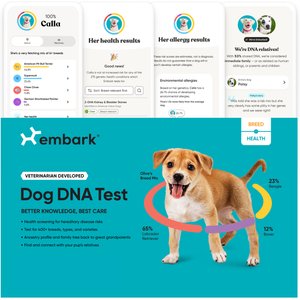
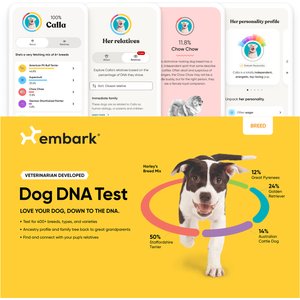
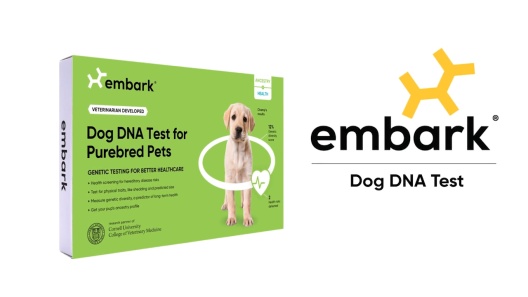
Embark Purebred Breed ID & Health Dog DNA Test Kit


About This Item
Details
- Test for over 270 genetic health conditions and get actionable insights that help you work with your veterinarian to create a personalized care plan.
- Using a genotyping platform developed in partnership with Cornell University of Veterinary Medicine, Embark tests for over 400 dog breeds including dingoes, coyotes, wolves, and village dogs.
- Test for 55 physical traits, including size, coat, and grooming needs, and learn what to expect as your pup grows up.
- This DNA test also assesses your dog’s risk for environmental, food, contact, and flea allergies, providing personalized insights and expert tips to help you prevent or manage allergies.
- Use Embark’s canine relative finder to find and connect with your dog’s family—you may find a close relative like a cousin or even discover a direct family member!
FAQ
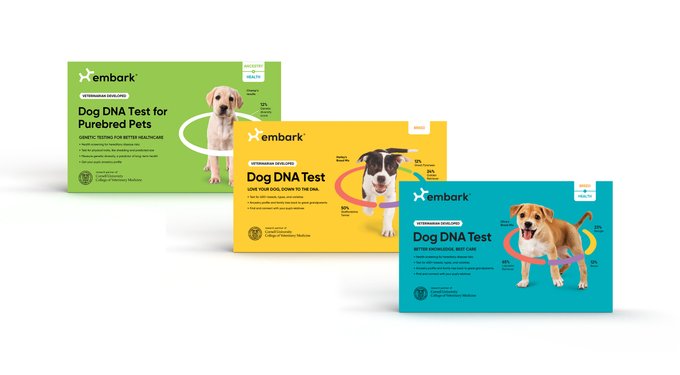
Your Dog’s Story Starts with a Swab
Embark DNA tests use a cheek swab to provide information about breed ancestry, genetic health conditions, and physical traits. Results include breed identification across hundreds of breeds and ancestry information spanning multiple generations.
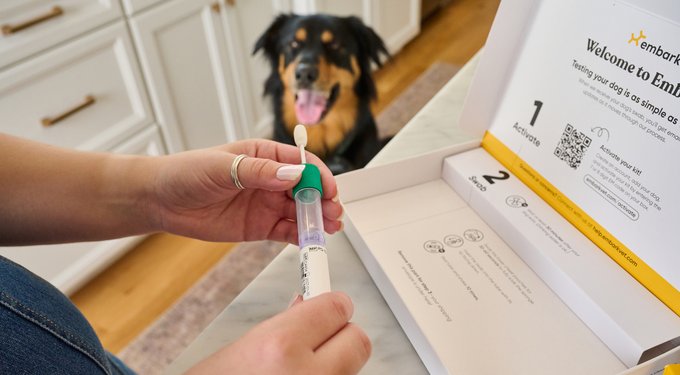
Know the Risks Before They’re Problems
The test screens for a wide range of genetic health conditions, including inherited traits and sensitivities. Results are designed to provide information that can be shared with a veterinarian.

Follow the Family Tree, Branch by Branch
Ancestry reports provide information about a dog’s lineage across multiple generations, including breed background and geographic ancestry insights.
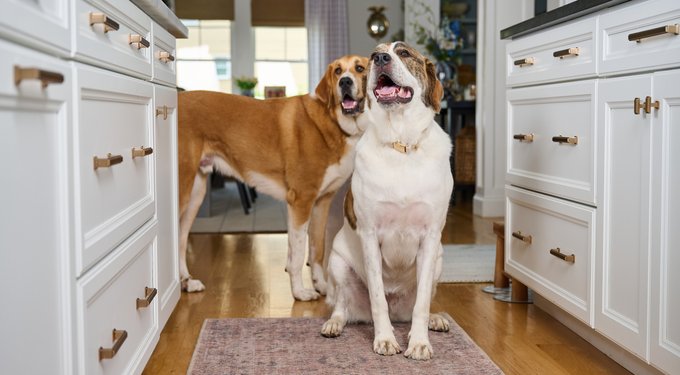
Meet Your Dog’s Family
The Relative Finder feature is designed to identify potential genetic matches among tested dogs, allowing owners to view related profiles when available.

About Embark
Embark provides DNA based insights related to breed, health, and traits. The company collaborates with veterinary research institutions, including Cornell University College of Veterinary Medicine.
Frequently bought together
- DealEmbark Breed & Health Dog DNA Test Kit$139.00 Chewy Price$199.00 List PricePromo, Special offer - price as marked
- DealPupstages ORKA Dental Links Dog Chew Toy with Rope for Teeth Cleaning$7.70 Chewy Price$7.99 List Price$7.32 Autoship PricePromo, New Customers Only: Spend $49+, get $25 eGift Card +1 deal
- DealEmbark Breed Identification Dog DNA Test Kit$109.00 Chewy Price$129.00 List PricePromo, Special offer - price as marked