What Is GI Stasis in Rabbits?


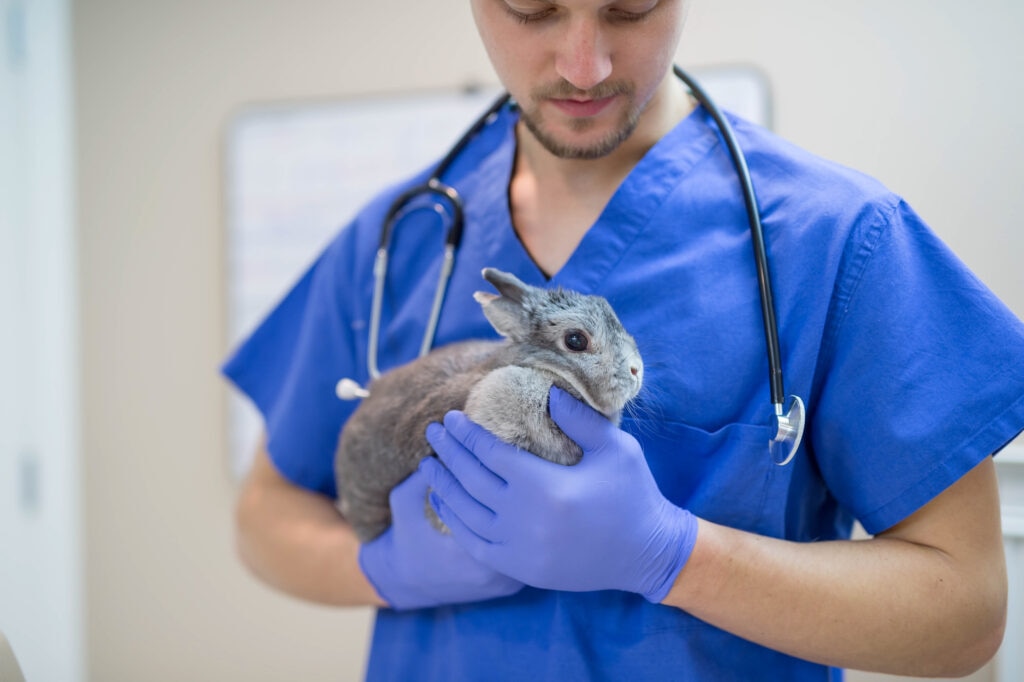
Photo by FatCamera via E+
Rabbits rely on constant digestion to stay healthy, so when the digestive system slows or stops—a condition called GI stasis—it can quickly become a life-threatening emergency.
Stress is one of the most common triggers, and even small changes in routine, appetite, or environment can disrupt gut movement and lead to dangerous symptoms like gas buildup, lethargy, and loss of appetite.
Knowing the early warning signs and seeking prompt veterinary care can make a critical difference in protecting your rabbit’s health.
Key Takeaways
- GI stasis occurs when a rabbit’s digestive system slows or stops. It is often triggered by stress, pain, or an improper diet.
- Rabbits rely on constant gut movement, so even a short slowdown can quickly become serious.
- Stress is a common contributing factor, as it can reduce appetite and disrupt digestion.
- GI stasis is life-threatening and requires prompt veterinary care.
Rabbits are constant grazers, relying on a steady intake of fiber (mainly from hay) to keep their digestive system moving. If that movement slows or stops—known as gastrointestinal (GI) stasis—food and gas can build up, quickly turning into a medical emergency.
Recognizing the early signs of GI stasis, understanding the causes, and knowing when to act can make a critical difference in protecting your bunny’s health. Here’s what you need to know.
What Is GI Stasis in Rabbits?
GI stasis—also known as rabbit gastrointestinal syndrome or ileus—isn’t a disease itself. Laurie Hess, DVM, DABVP (Avian Practice), owner and medical director at the Veterinary Center for Birds and Exotics in Bedford Hills, New York, explained that it’s a term used when a rabbit’s digestion slows down or stops.
Anything that causes a rabbit to eat less or disrupts normal gut movement can trigger GI stasis, Dr. Hess said. Common contributors include improper diet, dehydration, reduced physical activity, pain, dental disease, stress, and underlying illness.
How Does Stress Cause GI Stasis?
“Both acute stress and chronic stress can lead to rabbit gastrointestinal syndrome,” said Christine Austin, DVM, staff veterinarian at the House Rabbit Society in Richmond, California.
When a rabbit is stressed, stress hormones can decrease gut motility, slowing the passage of food through the digestive tract, Dr. Austin explained. This causes food in the gut to dry out and become difficult to pass.
As digestion slows, gas-producing bacteria can overgrow, leading to gas buildup. “This gas can be painful, and that discomfort often causes rabbits to eat even less, creating a dangerous cycle,” said Dr. Hess.
Dr. Hess also noted that some of the bacteria can release toxins that are absorbed into the body, potentially causing systemic illness. Without intervention, this cycle can quickly escalate and become life-threatening.
10 Signs Your Rabbit Is Stressed (Before GI Stasis Develops)
While stress doesn’t always lead to GI stasis, recognizing the early warning signs can help reduce the risk of it developing. Here’s what to look for:
1. Eating Less or Refusing Food
Rabbits are grazers, eating small amounts of food frequently throughout the day. A decrease in appetite is a common sign of stress. Because frequent eating keeps their digestive system moving, even a slight drop in intake can increase the risk of GI stasis.
2. Smaller or Fewer Droppings
Rabbits poop a lot, with an average-sized bunny producing 200-300 fecal pellets daily. A noticeable drop in fecal output can be an early sign of stress and may signal that digestion is slowing, which can quickly progress to GI stasis.
3. Hiding More Than Usual
As prey animals, rabbits use hiding spots to feel secure and rest. But excessive hiding, especially in a familiar environment, can indicate discomfort or heightened stress.
4. A Bloated or “Gassy Bunny” Belly
Stress can slow down gut function, which allows gas-producing bacteria to overgrow. When that happens, your rabbit’s belly may start to look bloated and feel firm to the touch. The discomfort can reduce appetite, increasing the risk of GI stasis.
5. Teeth Grinding
Loud, deliberate teeth grinding (bruxism) is a sign of pain or stress. Unlike soft “tooth purring,” which signals contentment, stress-related grinding is louder and more forceful.
6. Lethargy or Reduced Activity
A stressed or uncomfortable rabbit may become less active. Reduced movement can further slow digestion, increasing the risk of GI stasis.
7. Changes in Posture (Hunched Position)
Stress can slow digestion and lead to gas buildup, causing abdominal discomfort and pain. You might notice your bunny sitting in a hunched posture, which is a classic sign of belly pain.
8. Irritability or Reactive Behavior
A stressed rabbit may resist handling or react with defensive behaviors, such as lunging, biting, boxing, or thumping. This is their way of telling you they feel uncomfortable or unsafe.
9. Changes in Grooming Habits
Stress can affect grooming habits. Some rabbits stop grooming, while others may overgroom as a coping mechanism.
10. Sudden Changes in Routine Behavior
You know your rabbit and all their quirks best. Any noticeable changes in their normal habits and behaviors should be taken seriously.
What Causes Stress in Rabbits?
Stress in rabbits can stem from a wide range of factors, many of which are tied to their environment, care, and health.
Common causes include:
- Loud noises or sudden movements
- Changes in habitat or routine
- Improper diet (particularly not eating enough hay)
- Lack of enrichment or exercise
- Pain or underlying illness
- Presence of predators (even perceived predators, such as friendly dogs or cats)
- Improper handling
Dr. Hess noted that rabbits are highly habitual animals, so even small changes, such as moving their enclosure or changing their food too abruptly, can trigger stress.
When To Call a Vet for GI Stasis in Rabbits
GI stasis is a medical emergency that requires immediate veterinary care.
Call your veterinarian right away if your rabbit shows signs such as:
- Not eating for six to 12 hours
- Reduced or no fecal output for six to 12 hours
- Bloated abdomen
- Lethargy or weakness
- Ongoing signs of pain, such as hunching or lack of movement
- Any abnormal behavior
It’s always better to err on the side of caution and act early. Dr. Hess says that when the problem is caught quickly, treatment for GI stasis may be as simple as fluids, pain relief, and supportive feeding. Waiting too long can lead to severe illness or death.
How To Prevent GI Stasis in Rabbits
Prevention plays a major role in protecting your rabbit from GI stasis. Here’s what to focus on:
Feed a High-Fiber Diet
“The single most important aspect of lowering the risk for rabbit gastrointestinal syndrome is providing rabbits with an appropriate diet and plenty of fresh water,” Dr. Austin explained. “Proper diet is 80% to 90% grass hay (timothy hay, orchard hay, etc.), 10% leafy greens and vegetables, 5% pellets, and sparse fruit and treats.”
Recommended Products



Grass hay should always be available to your rabbit, as it helps maintain healthy gut bacteria and supports normal motility.
Reduce Stress in the Environment
Limiting stress, especially in prone rabbits, can help prevent episodes of GI stasis, Dr. Austin said. Provide a quiet, stable living space and a consistent routine. Include tunnels and hideouts in your rabbit’s enclosure and around your home so they always have a place to retreat to.
Recommended Products

Encourage Movement and Enrichment
Exercise and play support a bunny’s happiness and digestion. Your rabbit’s enclosure should be at least four times their length and include toys for enrichment.
Recommended Products



You should also provide daily, supervised time outside their enclosure in a bunny-proofed room.
Monitor for Early “Gassy Bunny” Symptoms
Watch for signs of a gassy bunny, such as a bloated stomach, reduced appetite, decreased movement, or changes in posture. Catching these signs early can help prevent symptoms from escalating.
Schedule Regular Vet Checkups
Routine veterinary visits, especially for dental health, can help identify issues before they lead to GI stasis.
Dr. Hess stressed that preventive care is often overlooked in rabbits but it is critical for their long-term health.
Stress vs. GI Stasis in Rabbits: How To Tell the Difference
Stress and GI stasis are closely connected and often overlap in symptoms, which can make them difficult to tell apart. Stress often first appears as behavioral changes such as hiding, thumping, or irritability, while GI stasis typically includes more pronounced physical signs, such as not eating, producing little to no droppings, bloating, and lethargy.
The risk is that stress can quickly progress to GI stasis if it’s not addressed. For example, a rabbit who skips a meal due to stress may experience slowed gut movement, leading to gas buildup and discomfort. This can further reduce appetite and create a worsening cycle that triggers GI stasis.
Any changes in behavior, eating, or bathroom habits should be taken seriously. If symptoms are mild and resolve quickly once the stressor is removed, intervention likely isn’t needed. But if they persist, worsen, or include signs like not eating or producing no droppings, contact a veterinarian right away.
FAQs About GI Stasis in Rabbits
Can stress cause GI stasis in rabbits?
Yes. Stress is a major trigger because it slows digestion and disrupts gut bacteria, which can lead to GI stasis.
What are early signs of GI stasis in rabbits?
Early signs include decreased appetite, fewer or smaller droppings, lethargy, and changes in behavior or posture.
How do I know if my bunny is gassy?
Signs of a gassy bunny include a bloated abdomen, lack of movement, and a hunched posture.
How quickly can GI stasis develop?
GI stasis can develop rapidly and is often fatal within 24 hours. If your rabbit hasn’t eaten or produced droppings in 12 hours, this is an emergency that needs immediate veterinary attention.
Attributions