10 Signs Your Rabbit Is Stressed (And How to Help)


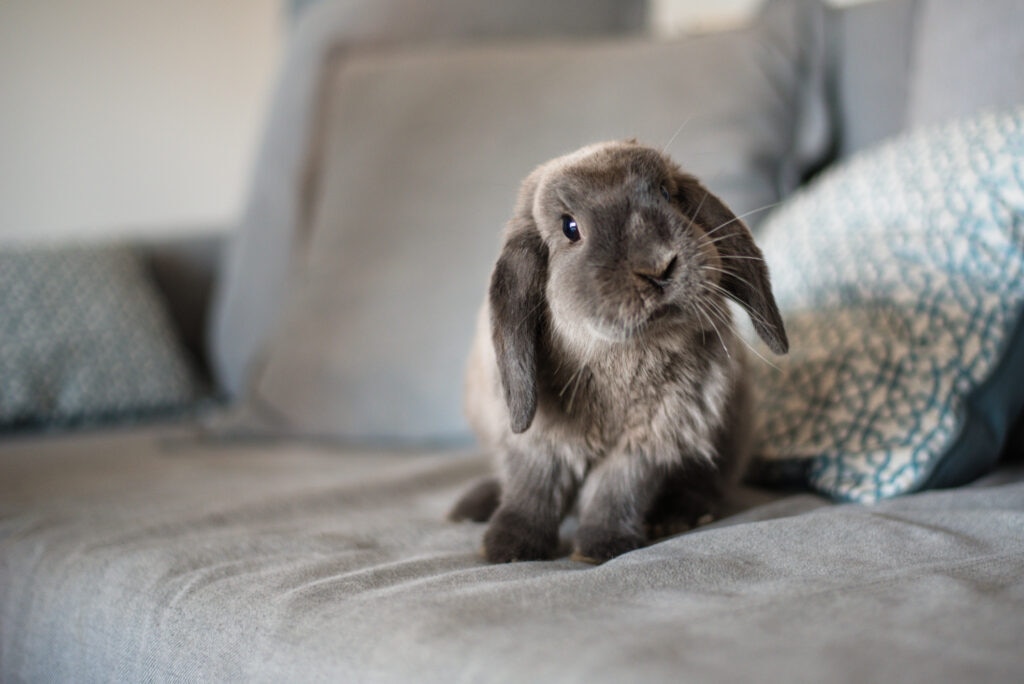
Photo by David-Prado via iStock/Getty Images Plus
Rabbits are experts at hiding stress, which means subtle changes in behavior—like hiding more often, eating less, teeth grinding, or acting unusually aggressive—can be easy to miss until a serious health problem develops.
Because stress can quickly lead to dangerous conditions such as GI stasis, it’s important for rabbit parents to recognize the early warning signs and understand what may be triggering them.
Here’s how to tell if your rabbit is stressed, when symptoms may signal an emergency, and what you can do to help your bunny feel safe and healthy.
Key Takeaways
- Rabbits hide signs of stress well but knowing what to look for can help you catch early warning signs.
- Common stress triggers include changes in routine or environment, loud noises, improper handling, and lack of enrichment.
- Some signs of stress, such as loss of appetite or reduced droppings, are serious and can quickly become life-threatening.
- Creating a calm, consistent environment, providing proper care, and closely monitoring behavior can help reduce stress and protect your rabbit’s health.
What Is Rabbit Stress?
Rabbit stress refers to a physical and emotional response to perceived threats or disruptions in a rabbit’s environment.
Stress can be acute (short-term, like a loud noise) or chronic (ongoing, like living in an unstable or frightening environment). Chronic stress is particularly concerning because it can lead to serious health problems, such as gastrointestinal (GI) stasis.
What Causes Stress in Rabbits?
Rabbit stress is commonly triggered by environmental or social factors.
Common causes include:
- Loud noises or sudden movements
- Changes in routine or habitat
- Lack of hiding spaces
- Improper handling or frequently being picked up
- Presence of predators (or perceived threats, like friendly dogs or cats)
- Loneliness or lack of enrichment
“Rabbits are very habitual creatures,” said Laurie Hess, DVM, DABVP (Avian Practice), owner and medical director at the Veterinary Center for Birds and Exotics, in Bedford Hills, New York. “Even something as small as moving their enclosure can disrupt their sense of safety and trigger a stress response.”
10 Signs Your Rabbit Is Stressed
Rabbits are wired to mask signs of stress and illness, because in the wild, showing weakness makes them a target for predators. Dr. Hess explained that by the time they show outward symptoms, they’re often already significantly stressed or unwell.
That’s why it’s so important to recognize early signs, which may be subtle. Here’s what to look for.
1. Hiding More Than Usual
Rabbits naturally seek out hiding spots to feel secure—it’s part of their survival instinct. But if your bunny is hiding more than usual, it may indicate stress or illness.
Recommended Products
Amy Mueller, board member of Leaps & Bounds Rabbit Rescue, in Roseville, California, noted that hiding is common in new environments, but once a rabbit feels safe, they should start exploring again.
2. Loss of Appetite
A stressed rabbit may stop eating, and this is never something to ignore.
“If there is a loss of appetite, the GI tract shuts down and that can lead to potentially deadly ileus (non-functioning GI tract),” said Douglas Mader, DVM, a triple board-certified veterinary specialist and author of “The Vet at Noah’s Ark.”
Seek immediate veterinary care if your rabbit has not eaten or passed stools in six to 12 hours.
3. Aggressive or Reactive Behavior
Lunging, nipping, boxing, growling, and thumping are defensive actions that can signal fear or discomfort.
4. Teeth Grinding
Loud, deliberate teeth grinding—known as bruxism—signals severe discomfort, stress, or illness. This is different than the soft “tooth purring” rabbits make when they’re content.
Dr. Mader explained that there’s “no comparison” between the two: “Teeth grinding is very loud and deliberate—you can often hear the teeth ‘squeaking’ as they rub together,” he said. “Purring is soft and gentle.”
5. Mouth Breathing
Rabbits are natural nose breathers, so open-mouth breathing is not normal and can signal severe stress or respiratory distress.
6. Changes in Grooming Habits
A stressed rabbit may stop grooming or, less commonly, groom excessively. Poor coat condition or a disheveled appearance can be a red flag.
7. Freezing or Tense Posture
A rabbit that sits completely still with their ears pinned back may be in a heightened state of fear. This “freeze” response is a survival instinct.
8. Changes in Bathroom Habits
Stress can affect digestion, which may show up as changes in litter box habits. You might notice:
- Smaller, darker, or dry droppings
- Fewer droppings overall
- No droppings at all
- Litter box avoidance
These changes can signal GI stasis and should be brought to a veterinarian’s attention right away, especially if your rabbit has not produced droppings in six to 12 hours.
9. Destructive Chewing
Chewing is normal for rabbits, but excessive or destructive chewing (like on baseboards or furniture) can indicate a lack of stimulation or stress. As Mueller noted, “a stressed or bored bunny is a chewy bunny.”
10. Increased Vocalization
Rabbits are usually quiet. If you hear screaming or loud vocalizations, it’s a sign of extreme distress or pain.
When Is Rabbit Stress an Emergency?
Rabbit stress becomes an emergency when it affects basic bodily functions or signals pain.
Watch for:
- Not eating for six hours to 12 hours
- No droppings for six hours 12 hours
- Bloated stomach
- Lack of movement or a staying in a hunched position
- Mouth breathing or difficulty breathing
- Loud vocalizations
If you’re unsure, Dr. Hess advised that it’s always best to err on the side of caution and check in with your vet.
How To Reduce Rabbit Stress
Being thoughtful about your rabbit’s environment, routine, and handling can help prevent stress. Here’s what to focus on.
Create a Safe Environment
Rabbits should have a large, secure enclosure that’s at least four times their length, which will depend on their breed.
Recommended Products


The enclosure should be in a quiet, draft-free area of your home and include a litter box, hiding spots, solid flooring, and 1-2 inches of paper-based bedding.
Recommended Products


Handle Your Rabbit Properly
Some rabbits like to be petted, but they generally don’t enjoy being held or picked up. “The best thing to do is not pick up your rabbit unless necessary,” Mueller said.
If you do need to lift your rabbit, always support their back and bottom, and keep all four feet secure against your body to help them feel safe. It’s also best to limit handling to people your rabbit knows and trusts.
Maintain a Consistent Routine
For the most part, try to feed, clean, and interact with your rabbit at the same times each day. Predictability helps reduce anxiety and creates a sense of security.
Provide Enrichment and Socialization
Rabbits need mental stimulation to stay happy and relaxed. Examples of enrichment you can provide include:
Recommended Product

- Boxes and tunnels
Recommended Product

- Daily time outside of their enclosure to explore and exercise (always bunny-proof a room before letting your rabbit run free)
- Daily time together, interacting or even just sitting nearby
As social animals, many rabbits also benefit from a bunny companion, if introduced properly.
Feed a Balanced Diet
Providing a proper, balanced diet gives your bunny the consistency and nutrients they need to support healthy digestion and overall well-being.
A rabbit’s diet should consist primarily of grass hay (80-90% of their diet), along with daily leafy greens, a small amount of high-fiber pellets, and constant access to clean water.
Recommended Products



Monitor Bunny Behavior
Get familiar with your rabbit’s normal habits so you can quickly spot changes. Early detection is key to preventing serious issues.
How To Tell the Difference Between Stress and Illness
Symptoms of stress and illness often overlap in rabbits, which can make it difficult to tell what’s going on. In many cases, stress may start with more subtle behavioral changes, such as hiding or excessive chewing, while illness tends to cause more physical symptoms, such as reduced appetite and bloating.
However, Dr. Hess emphasized that there’s no such thing as “just stress.” What begins as a stress response can quickly escalate into a serious health condition, such as GI stasis.
Mild signs that improve once the stressor is removed are usually not a cause for concern. But more severe or persistent symptoms, such as refusing food or producing little to no droppings, can signal a serious issue and should never be ignored.
When in doubt, it’s always best to contact a veterinarian.
FAQs About Rabbit Stress
Can rabbits die from stress?
Yes, severe or prolonged stress can be life-threatening for rabbits. As prey animals, intense stress can trigger serious complications, such as shock, respiratory distress, or GI stasis, which can become fatal without prompt treatment.
How do I calm a stressed rabbit quickly?
Move them to a quiet space, reduce noise, and allow them to hide. Avoid handling and let them settle at their own pace.
What does stressed bunny behavior look like?
Common signs include teeth grinding, hiding, refusing food, thumping, aggression, and changes in bathroom habits.
How long does rabbit stress last?
Short-term stress may resolve within minutes to hours once the stressor is removed, while chronic stress can persist until the underlying cause is addressed.
Attributions