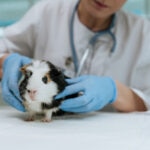
Guinea Pig Not Eating? Here’s What To Do


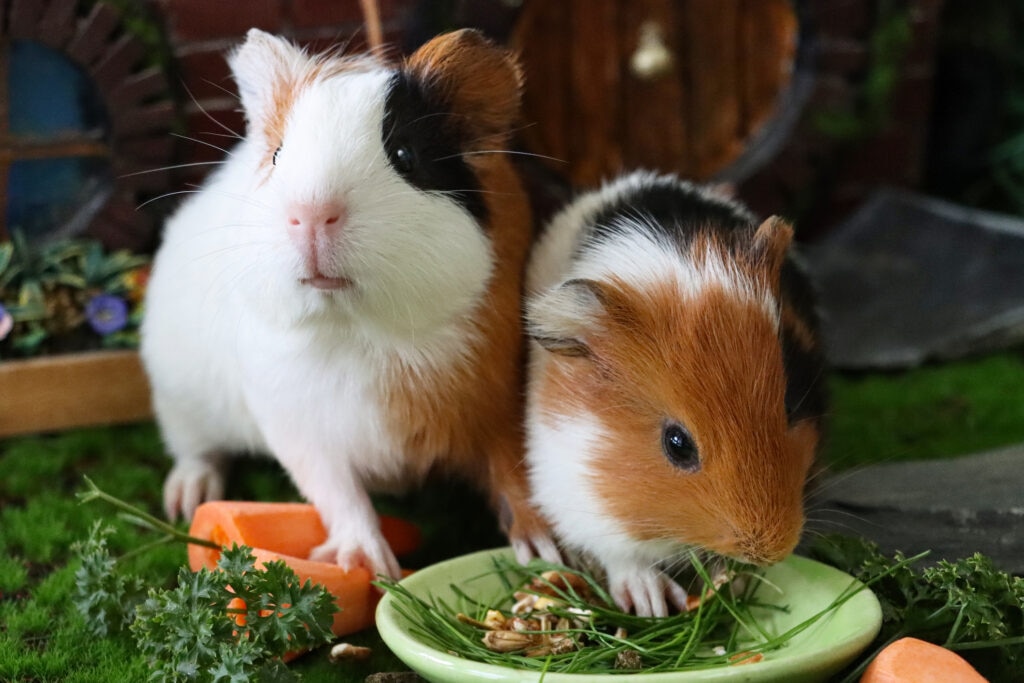
Photo by mtreasure/iStock/Getty Images Plus
If your guinea pig suddenly stops eating, it’s not something to take lightly.
Guinea pigs are grazing animals who eat small amounts of food almost constantly throughout the day. This steady intake is essential for keeping their digestive systems moving and healthy.
When a guinea pig doesn’t eat for several hours, their gut can slow down or stop working properly.
This can quickly lead to serious and sometimes life-threatening conditions.
Because guinea pigs instinctively hide signs of illness and pain, appetite loss is often one of the first noticeable clues that something is wrong.
Key Takeaways
- If your guinea pig is not eating, it’s a serious health concern that requires prompt attention.
- Guinea pigs rely on frequent food intake to keep their digestive systems functioning normally, and even short interruptions can lead to dangerous complications.
- Most guinea pigs should not go more than 8 to 12 hours without food, and early veterinary care greatly improves the chances of recovery if an underlying problem is present.
How Long Can Guinea Pigs Go Without Food?
Most guinea pigs should not go longer than 8 to 12 hours without eating, so it is important to always have food available for them.
Going without food for longer than this can put them at risk of gastrointestinal (GI) stasis, a dangerous condition in which the digestive tract slows or stops moving.
A guinea pig’s digestive system depends on constant fiber intake, primarily from fresh grass hay, to keep food moving through the gut.
When food intake decreases, gut movement slows, gas can build up and cause pain, and harmful bacteria may begin to overgrow.
This makes appetite loss far more dangerous for guinea pigs than for many other pets, including dogs and cats.
For this reason, any noticeable decrease in eating should be treated as an urgent matter.
Why Is My Guinea Pig Not Eating?
In most cases, a guinea pig who stops eating is experiencing pain, illness, or digestive trouble. Some of the most common causes include dental disease, GI issues, underlying illness, and stress.
Dental Problems
Dental disease is one of the leading reasons guinea pigs stop eating. Their teeth grow continuously throughout their lives and must be worn down through regular chewing, especially on fibrous foods like hay. When a guinea pig’s teeth don’t wear evenly, problems such as overgrown incisors or molars can develop.
Uneven wearing can also cause sharp points to develop on the teeth, which can cut the tongue or cheeks, making chewing painful. As a result, a guinea pig may eat less, drop food, chew slowly, or favor one side of the mouth. Dental problems often go unnoticed until appetite decreases significantly, which is why a sudden loss of interest in food should always raise concern.
Gastrointestinal Stasis
GI stasis occurs when the digestive tract slows or stops moving normally. This condition is extremely serious and can worsen quickly without treatment. GI stasis may be triggered by inadequate fiber intake, pain, stress, or another underlying illness.
In addition to not eating, guinea pigs with GI stasis may produce fewer or smaller droppings, appear bloated, or show signs of discomfort such as sitting hunched or moving less than usual. Without prompt veterinary care, GI stasis can become life-threatening.
Illness or Pain
A variety of medical conditions can reduce a guinea pig’s appetite. Respiratory infections, urinary tract problems, bladder stones, arthritis, or injuries can all make eating uncomfortable or unappealing.
As prey animals, guinea pigs are good at hiding pain. By the time appetite loss becomes obvious, the underlying condition may already be advanced, so appetite changes should never be ignored.
Stress or Environmental Changes
Stress alone can cause a guinea pig to stop eating. Changes such as moving to a new home, introducing a new cage mate, separating bonded companions, loud noises, or the presence of other household pets can all affect appetite.
Sudden changes to diet, enclosure setup, or daily routines can also be stressful. Even when stress is the suspected cause, appetite loss lasting more than a few hours still warrants veterinary attention.
Signs a Guinea Pig Not Eating Needs Emergency Care
A guinea pig who isn’t eating should be seen by a veterinarian immediately if they also show signs such as lethargy, reluctance to move, a hunched posture, teeth grinding, weight loss, a swollen or firm abdomen, or little to no stool production.
If a guinea pig doesn’t eat or produce droppings for 8 to 12 hours this is especially concerning and should be treated as an emergency.
If you notice any of these signs, contact an exotic or small-pet veterinarian right away.
What To Do If Your Guinea Pig Is Not Eating
If you notice your guinea pig isn’t eating, start by checking their food, water, and environment.
Ensure fresh grass hay is always available, water bottles are working properly, and vegetables or pellets haven’t spoiled.
Recommended Products



Check that the enclosure is at a comfortable temperature and free from obvious stressors.
You can try to gently encourage eating by offering fresh grass hay or aromatic leafy greens. Grass hay should always be the first choice, as it’s essential for digestive health. Avoid sugary fruits or treats, which can worsen digestive problems.
While doing this, monitor your guinea pig closely. Watch for droppings and urine output, note changes in posture or behavior, and weigh them daily if possible. Even a small weight loss can be significant in guinea pigs.
Most importantly, contact a veterinarian as soon as possible. Guinea pigs are considered exotic pets and require care from a veterinarian experienced with small or exotic animals. Waiting to see if appetite returns on its own can allow a serious condition to progress quickly.
Can I Hand-Feed a Guinea Pig That Isn’t Eating?
Handfeeding can sometimes temporarily support a guinea pig, but it does not address the underlying cause of appetite loss. It should only be done alongside veterinary care and with veterinarian-recommended recovery foods.
Improper handfeeding can increase the risk of aspiration or delay diagnosis and treatment. While supportive feeding may be part of a treatment plan, it should never replace a veterinary visit.
Recommended Product

How Veterinarians Diagnose a Guinea Pig Not Eating
To determine why a guinea pig has stopped eating, a veterinarian will typically begin with a physical exam and a detailed history. A dental exam is often necessary and may require sedation to fully assess the back teeth.
Diagnostic imaging, such as X-rays, may be used to evaluate the teeth, digestive tract, or urinary system. Fecal or urine tests may also be recommended. Identifying the cause early greatly improves treatment outcomes.
How To Prevent Appetite Loss in Guinea Pigs
Preventing appetite loss starts with proper daily care. Guinea pigs should have unlimited access to grass hay, measured amounts of guinea pig–specific pellets, daily fresh vegetables that provide vitamin C, and a vitamin C supplement recommended by your veterinarian.
Recommended Product

Regular veterinary visits are also important. Routine wellness exams, dental checks, and weight monitoring can help identify problems before they affect appetite.
Reducing stress is another key factor.
Keeping bonded guinea pigs together, maintaining a consistent routine, and providing enrichment and hiding spaces can support both physical and mental health.
FAQs About Guinea Pigs Not Eating
Is it normal for guinea pigs to skip meals?
No. Guinea pigs eat frequently throughout the day, and skipping meals is a sign that something may be wrong.
Can stress alone cause a guinea pig to stop eating?
Yes, stress can reduce appetite, but ongoing appetite loss should always be evaluated by a veterinarian.
What foods are safest to tempt a guinea pig to eat?
Fresh grass hay and leafy greens are the safest options. Avoid sugary or starchy foods.
Should I syringe-feed my guinea pig overnight?
You should only syringe-feed your guinea pig under veterinary guidance. Syringe-feeding without instruction can be risky.
How quickly can a guinea pig get sick from not eating?
Serious digestive complications can begin developing within 8 to 12 hours in a guinea pig who isn’t eating.
Attributions
This article was created with assistance from AI tools. The content has been reviewed for accuracy and edited by a human.