Gerbil Care Sheet


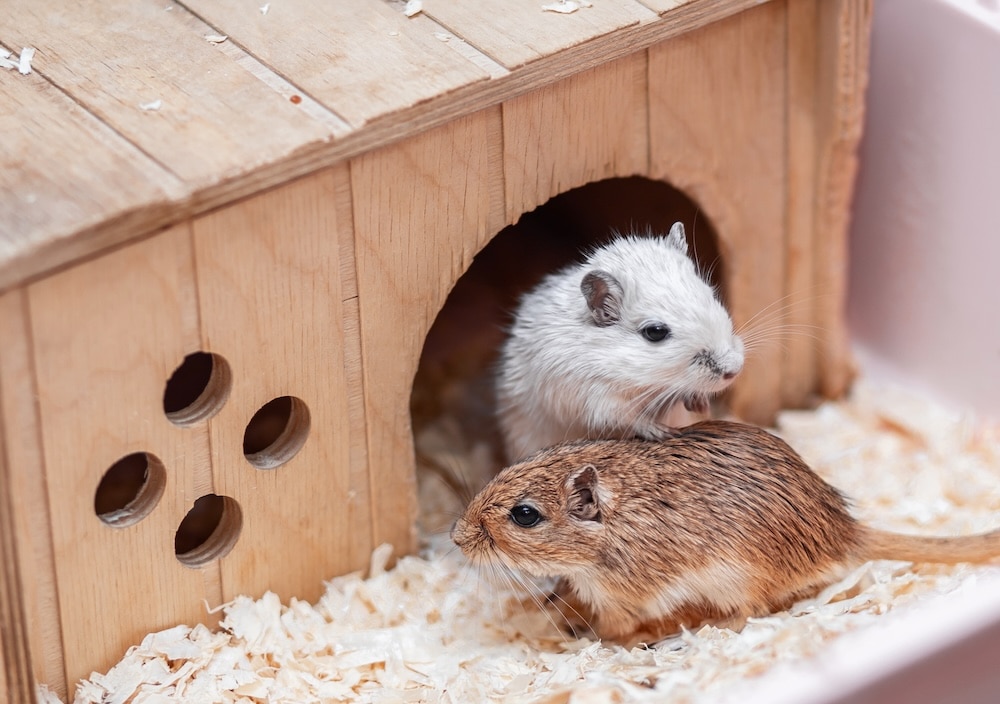
Photo by Aisylu Akhmadieva/iStock/Getty Images Plus
Gerbils are small, curious, and social rodents. They’re great pets, especially if you love watching their antics but don’t want a long-term commitment, as gerbils have a 2- to 4-year lifespan. Let’s dig into what gerbils need to live their best lives.
Gerbil Overview
- The Mongolian gerbil (Meriones unguiculatus) is the most common pet gerbil breed.
- Gerbils are crepuscular animals, meaning they are most active at dawn and dusk.
- Pet gerbils are gentle, social, and do well in small, same-sex groups.
Fun Facts About Gerbils
- Wild gerbils live in groups of up to 17 individuals from multiple generations.
- Gerbil males are amazing dads and gather nesting materials, clean their pups, and teach them to find food.
- Gerbils communicate using vocalizations and nonverbal signals like thumping, scent marking, and chasing or wrestling.
Gerbil Cages and Setup
Choosing the right gerbil cage size depends on how many you’ll be keeping together.
Recommended Products
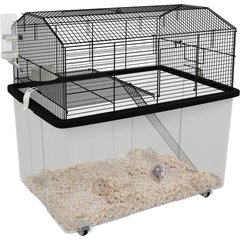
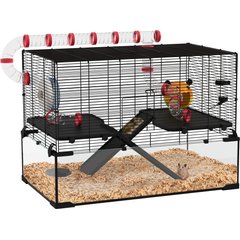
A pair of same-sex gerbils need an enclosure that’s at least 30 gallons—bigger is better!
A multi-level wire gerbil cage with solid glass or plastic bottom, ramps, and platforms is an excellent choice, because it provides more space for gerbils to climb and explore.
The enclosure should have a secure wire mesh lid, and it should be locked to prevent your pet’s escape.
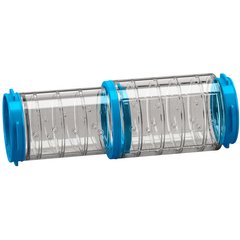
Add solid-surface wheels and tunnels for exercise and mental stimulation.
Recommended Products

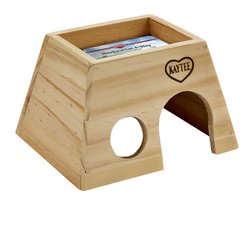
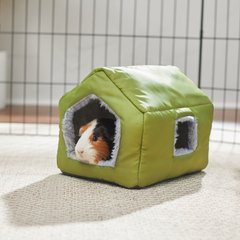
No matter how social your gerbil is, they’ll need some quiet time too, so include one hide or nesting box per gerbil.
Recommended Products
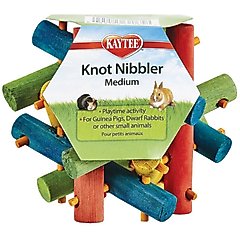
Gerbils love to chew and chewy toys help keep their teeth trimmed. Provide a regular rotation for enrichment.
Recommended Products

Place your gerbils’ enclosure away from direct sunlight, drafts, and other pets like cats and dogs. These rodents can also be sensitive to the high-frequency sounds that TVs, computers, and vacuums emit.
Gerbils thrive in temperatures of 65–75 F, with humidity below 50%.
Add two types of gerbil bedding to the bottom of the enclosure: a few inches of an absorbent layer, then fluffy nesting material on top so they can burrow.
Recommended Products
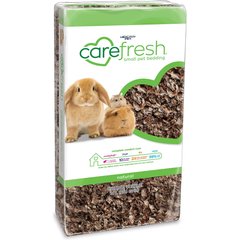
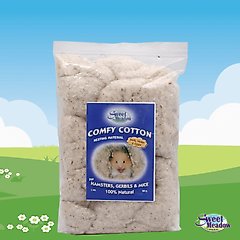
Paper-based bedding allows natural digging and tunnel building, and is easy to spot-clean as needed.
Note: Avoid cedar or pine shavings because their oils can cause respiratory problems in gerbils.
Cleaning and Maintenance
Do a full cage cleaning every one to two weeks with warm, soapy water. Keep some of the old bedding because it will have your gerbils’ scent—gerbils get stressed when those smells are missing.
Also, gerbils like to hoard food, so during spot cleaning, check their stashes and remove any stale food.
Gerbils’ social nature means they can get depressed when they’re alone. Adopting at least two same-sex gerbils from the same litter is the best way to keep multiples, because it should keep territorial fights to a minimum and prevent accidental litters. However, if your gerbils start fighting, keep them in separate enclosures.
Gerbil Food
The best gerbil diet includes high-quality rodent blocks or pelleted food, with supplemental grains, vegetables, fruits, hay, and treats. Place food in bowls that are safe for gerbils and will remain securely in place without getting tipped over.
Also offer unlimited access to clean, fresh water in a sipper bottle. Check their water bottle daily for clogs or leaks.
Recommended Product
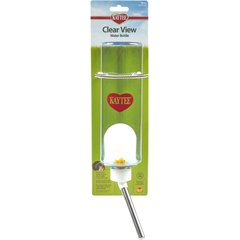
Your gerbil needs to be fed daily with gerbil-specific blocks or pellets.
Recommended Products
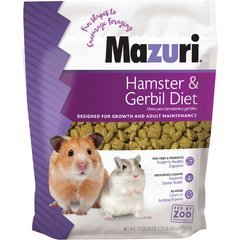
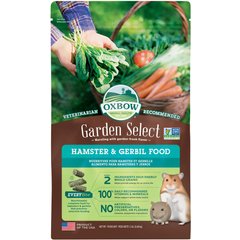
Exclusive seed diets are not recommended, as gerbils will favor one type of seed or food item in the mix and refuse to eat anything else.
Other foods can be offered, at no more than 10% of their diet. These can include small amounts of fresh vegetables like carrots, broccoli, and kale, and occasional fruits like apple slices and berries. Be sure to remove any uneaten fresh food within a couple of hours.
Never feed gerbils chocolate, caffeine, onions, cabbage in excess, raw potatoes, uncooked beans, fatty nuts, excessive sunflower seeds, candy or junk food.
Gerbil Handling and Grooming
Naturally curious, gerbils often become very comfortable with their pet parents, but it takes patience to get there.
Start by placing your hand in the enclosure, palm up with a treat like these from Oxbow, and let your gerbils come to you.
Recommended Product
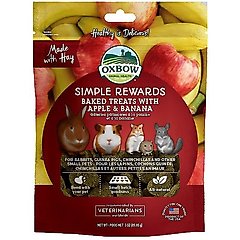
Once they’re comfortable coming to you for treats, you can try picking them up. Use both hands to scoop them up gently. Never pick up a gerbil by their tail.
Gerbils take care of most of their grooming needs themselves. Offer a shallow dish of gerbil-safe small pet bathing sand a few times each week so they can roll around and clean their coats.
Recommended Product
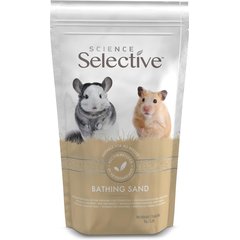
Don’t spray them with water to bathe them because it can strip the natural oils from their fur.
Always wash your hands before and after handling your gerbil. And always supervise children when they’re interacting with or handling your gerbil to ensure no one gets hurt.
Gerbil Health
Your gerbil should have an annual checkup with an exotic animal veterinarian. Take photos of their enclosure, food, and toys so your vet has a complete picture of their care.
A healthy gerbil is alert, active, and curious. They also produce solid stool, and have a clear nose, clear eyes, and clean fur.
Like most other animals, gerbils are experts at hiding illness until it’s serious. So, take a moment to do a quick check-in when you feed them. Watch out for the following symptoms and contact your exotic vet if you notice any of them:
- Unusual stillness or lethargy
- Weight loss or reduced appetite
- Sneezing, wheezing, or difficulty breathing
- Eye or nasal discharge
- Irregular droppings or diarrhea
- Bald patches or other fur loss
- Swelling on the belly (can indicate a scent gland problem)
- Seizures
- Lumps, bumps, and odd growths
- Difficulty chewing or overgrown teeth
- Missing skin on the tail or rings around the tail
Note: Never give your gerbil medication without first talking to your exotic veterinarian; many common meds can be toxic to rodents.
Supply Checklist for Gerbils
- Glass aquarium or multi-level cage with solid bottom and secure wire mesh lid (at least 30 gallons)
- Absorbent paper-based bedding
- Fluffy nesting material
- One hide or nesting box per gerbil
- Solid-surface exercise wheel
- Water bottle with sipper tube
- Ceramic or chew-resistant food bowl
- Gerbil-specific pellets or rodent blocks
- Timothy hay
- Sand bath dish and gerbil-safe bath sand
- Wooden chew toys
- Tunnels and enrichment toys
- Small animal travel carrier
FAQs About Gerbils
What is a gerbil?
Gerbils are small rodents native to the deserts and grasslands of Mongolia and Central Asia.
What’s the difference between a gerbil and a hamster?
The biggest difference is their social needs, because gerbils need a companion while hamsters are solitary. Gerbils are also active during the day, while hamsters are nocturnal. Gerbils also tend to be faster and more curious than hamsters.
What is the average life expectancy of a gerbil?
Most pet gerbils live 2–4 years with good care.
What do gerbils eat?
Gerbils do best on gerbil-specific pellets or rodent blocks as a main food. Supplemental foods and treats include fresh vegetables, occasional fruit, and hay. Fresh water should always be available.
How big do gerbils get?
The Mongolian gerbil body grows to about 4–5 inches long, with a tail of similar length. They usually weigh about 4–5 ounces.
Are gerbils nocturnal?
No. Gerbils are crepuscular and are most active during dawn and dusk. It makes them a great choice for people who like to watch their pets in action.
Attributions