Colubrid Snake Care Sheet


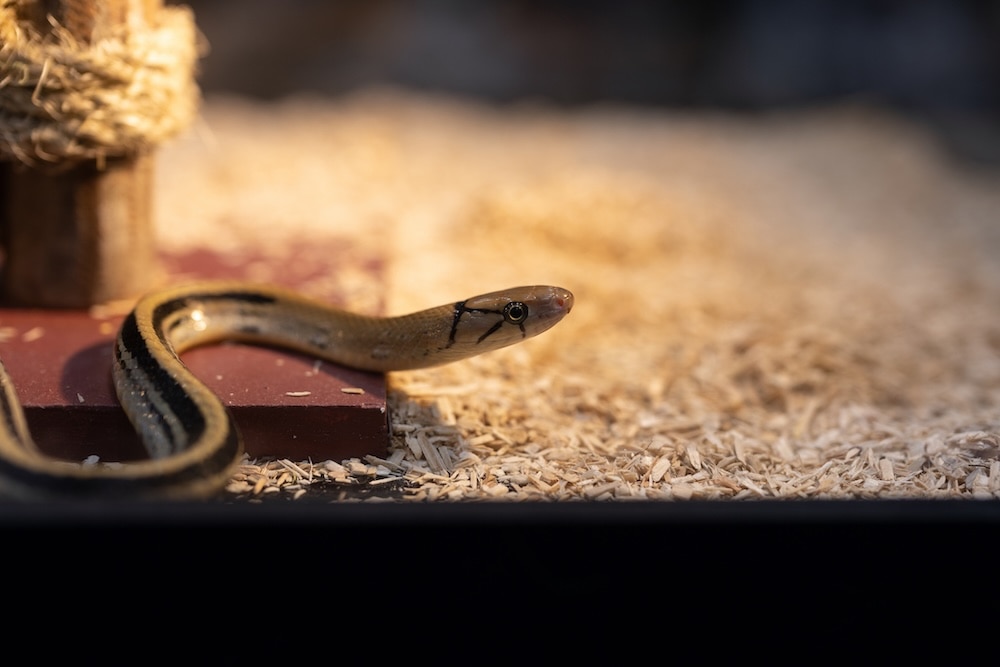
Photo by Backiris/iStock/Getty Images Plus
Colubridae is the largest snake family, and there are more than 2,000 species of colubrids, including corn snakes, rat snakes, and kingsnakes. If you’ve recently gotten a colubrid or are expecting to adopt one soon, make sure you have everything you need to give them a long, healthy life.
Colubrid Overview
- Colubrid snakes reach adult size within 2–3 years, depending on the species.
- Colubrids should be housed alone, without any other snakes or animals sharing their enclosure.
- These snakes shed multiple times a year. Keep handling to a minimum during shedding times.
Fun Facts About Colubrids
- Colubrids have slow metabolisms and can go for extended periods without eating in the wild.
- Some colubrids are venomous but most are nonvenomous, including popular pet species.
- These snakes are native to subtropical areas across Asia, Europe, and North America.
Colubrid Enclosure
Your colubrid snake needs a tank that’s large enough for them to comfortably stretch their entire body. Juveniles should have at least a 20-gallon tank, while adults need a 40-gallon tank or larger.
Recommended Products
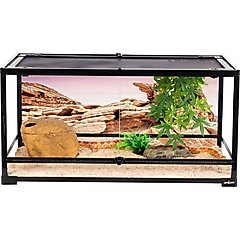

Enclosures should be longer than taller. Whenever you can, get the largest habitat available.
Don’t keep any other animals or snakes inside the same habitat as a colubrid. These snakes should be housed alone.
Substrate and Decor
Line the bottom of your colubrid’s tank with a safe substrate, such as coconut husk, cypress mulch, or aspen wood shavings. Paper-based bedding is best because it won’t harm your snake if they ingest it.
Recommended Products
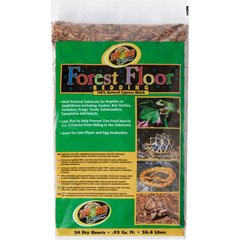
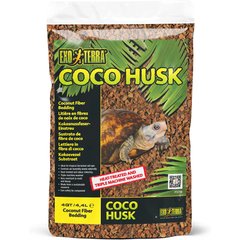
You can also use reptile carpet, but it should be cleaned often and replaced regularly to prevent bacterial growth.
Give your colubrid at least two hiding areas in the tank—one on the cool end and one on the warm end. This is great for privacy and for helping your snake regulate their body temperature.
Recommended Products
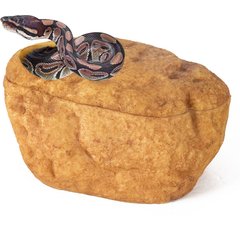
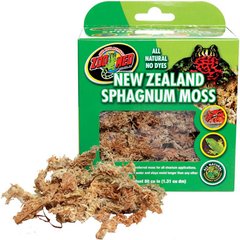
The hideout box on the warmer side should contain sphagnum moss that you can regularly mist with water to increase humidity, which is helpful during shedding cycles.
You can also add driftwood and climbing branches to encourage exercise, but make sure the branches are securely installed to prevent injury.
Recommended Product
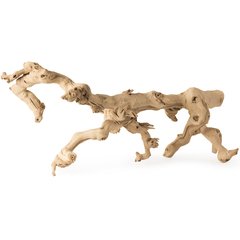
Both live and artificial plants are great additions, but make sure live plants are non-toxic to colubrids. Any plants that can cause irritation or harm, like cactus or cane, should not be used.
Temperature and Light
Lighting and heating are essential to keeping your snake healthy. Keep one end of the habitat warmer, around 90 F, and the cool end no lower than 70 F. Keep two thermometers in the tank—one on the warm end and one on the cool end—and check temperatures daily. You can also use a digital point-and-shoot thermometer.
For heat, give your colubrid an incandescent light or ceramic heat bulb. You can also use an under-tank heating pad.
Recommended Products
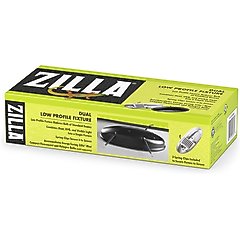
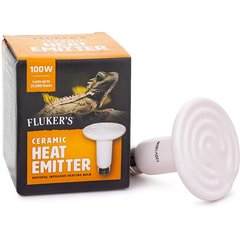
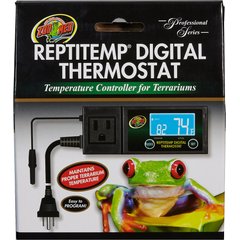
All heat sources should be attached to a thermostat to maintain the ideal temperature range. Don’t place light bulbs inside the tank, and don’t use heat rocks.
Recommended Product
Get your colubrid a full-spectrum ultraviolet light so they can get 8–12 hours of UV light daily.
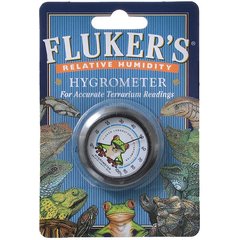
Keep the humidity level between 40–60% and increase it during shedding cycles. Use a hygrometer to measure the humidity daily.
Recommended Product
Cleaning and Maintenance
Disinfect your colubrid’s habitat at least once a week with a habitat cleaner or a 3% bleach solution. After moving your snake to a separate, secure environment, such as a travel tank, remove the decor and accessories and discard the old substrate.
Scrub the tank and let the cleaning agent remain on it for at least 10 minutes to ensure it’s properly disinfected. Thoroughly rinse it with water and let it dry completely before adding new substrate and the cleaned decor.
Colubrid Snake Food
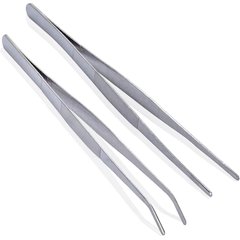
Feed your colubrid whole, previously frozen, thawed rodents. Don’t give your snake live prey since the rodents may injure your snake or introduce parasites. Always offer food with tongs rather than your hands so your snake doesn’t mistake your fingers for food.
Recommended Products
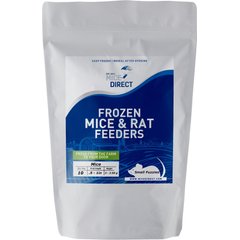
Juvenile colubrid snakes can eat weekly, while adults can eat every one to two weeks. Feed juveniles “pinkies,” which are hairless baby mice. As your snake grows, transition them to “fuzzies” and “hoppers” before moving on to full-grown mice and rats. Food should be no larger than the width of your snake’s midsection.
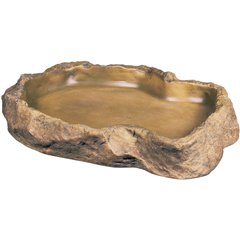
Offer clean water in a dish that’s large enough for your snake to soak in without it tipping over. Clean the bowl and add fresh water daily.
Recommended Product
How To Hold a Colubrid
Always wash your hands before and after handling your colubrid snake or anything in the habitat, since all reptiles can carry infectious bacteria like salmonella.
Some colubrids tolerate gentle handling, but avoid holding your snake when they are new to their habitat, as well as during shedding cycles.
Colubrid Health
Colubrids shed their skin a few times a year, usually in one whole piece. Even the snake’s eye caps shed with the rest of their skin. Make sure your colubrid soaks in their large, shallow water dish to help during the shedding cycle. Avoid handling your snake during shedding, as they may be irritable.
Take your colubrid to the vet every year for a checkup, in addition to whenever your pet is injured or ill.
A healthy colubrid should have clear eyes, a relaxed demeanor, and regular tongue-flicking. Their skin should be free from ulcerations, bumps, and swelling.
If you notice your snake has cloudy eyes, a stuck shed, or discharge around the vent, call your vet right away. Tumors, loss of appetite, and lethargy are also signs that something might be wrong with your pet.
Colubrid Supply Checklist
- Appropriately sized habitat
- Frozen rodents
- Substrate and sphagnum moss
- Water dish and mister
- Plants, hideaway places, and climbing decor
- Heat lights and fixtures
- UV light emitter
- Under-tank heater
- Thermostat, thermometers, and humidity gauge
FAQs About Colubrids
What is a colubrid snake?
Colubrid snakes are the largest snake family, with over 2,000 species. They’re typically found in Europe, Asia, and North America. They vary in size, coloring, and demeanor. Some are venomous, while others are not.
Are colubrids good pets?
Colubrids are great pets but they should have their own habitat, free of other snakes and animals. Most colubrids are nonvenomous and may tolerate gentle handling.
How big do colubrids get?
Depending on the species, colubrids can grow 1 to 6 feet long.
How long do colubrids live?
With proper care, colubrids can live 15 years, depending on the species.
Attributions