Boa Constrictor Care Sheet


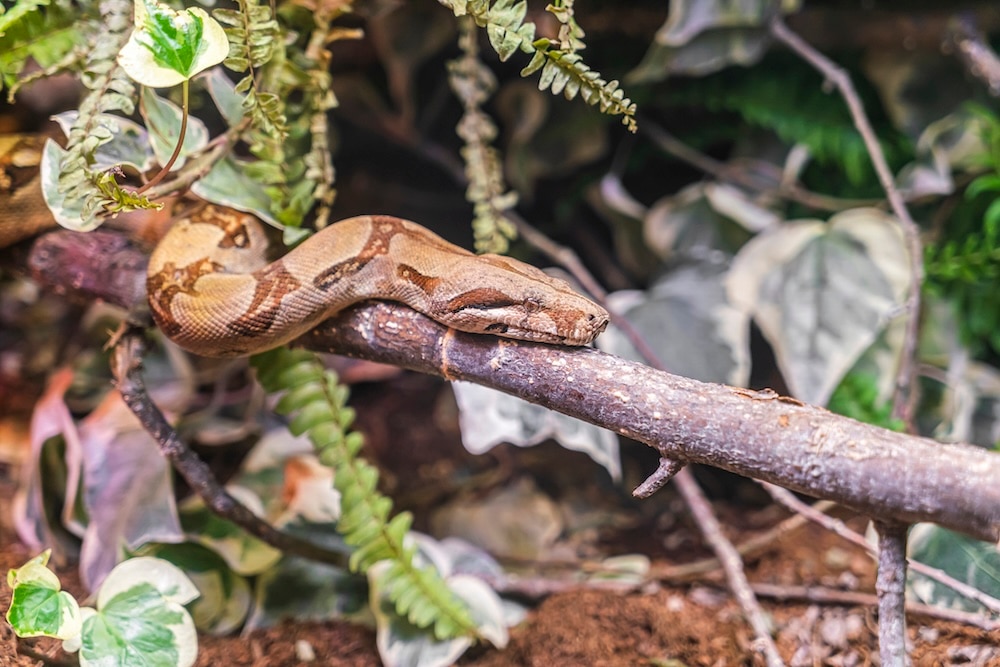
Photo by fatido/iStock/Getty Images Plus
Boa constrictors are solitary, nonvenomous snakes. They’re from South and Central America and the Caribbean. If you’re considering a boa constrictor as a pet, make sure you have everything you need to give them a long, healthy life.
Boa Constrictor Overview
- Boa constrictors are normally calm, but you’ll hear a loud hiss if they feel threatened.
- These snakes can live up to 30 years with proper care.
- Boas regularly shed, and the skin usually comes off in one complete piece.
Fun Facts About Boa Constrictors
- These snakes detect prey by using heat-sensing pits on the sides of their heads.
- Boas have hook-shaped teeth that help them hang onto prey while constricting it.
- Male boas grow to about 8 feet long and are smaller than females, who can grow to 10 feet long.
Boa Constrictor Enclosure
Boa constrictors need their own habitat that’s large enough for them to fully stretch out comfortably. Juveniles should have at least a 30- to 40-gallon enclosure that’s longer than it is tall, then increase their habitat as they grow.
Recommended Products
Enclosures should be at least as long as your snake’s body. A boa reaches adulthood in 3–5 years, with some subspecies getting as long as 8–10 feet.
Substrate and Decor
Line the bottom of the enclosure with a snake-safe substrate like coconut husk, aspen wood, or cypress mulch.
Recommended Products
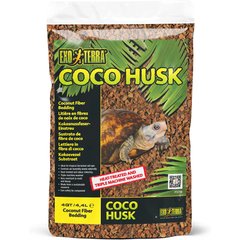
Don’t use pine or cedar chips—they’re toxic and irritating to snakes. Stay away from reptile carpet because it can be too abrasive and it prevents your snake from burrowing.
If you use aspen chips, you’ll have to replace them weekly to keep them from getting too wet. If you use wood shavings, coconut husk, or mulch, feed your snake in a separate habitat without any substrate so they don’t accidentally ingest any while eating prey.
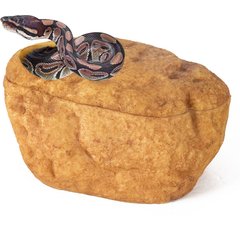
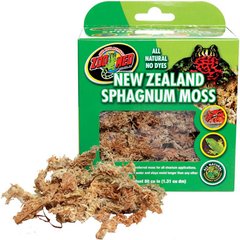
Your boa needs at least two hiding areas in the tank: one in the warmer end and one in the cooler side. Hideouts are essential for giving your boa privacy and regulating body temperature. You can also add sphagnum moss to the hideouts to keep your snake moist during shedding.
Recommended Products
Put in some climbing branches and shelves to give your boa places to climb and exercise.
Recommended Product
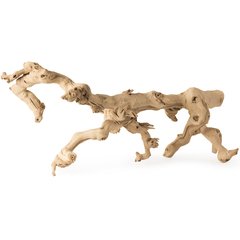
Make sure these are properly installed and strong enough to support your boa’s body weight. For larger or heavier snakes, shelves may be a safer option than branches.
Place a water bowl that’s large enough for your snake to soak in but not tip over. This helps during shedding and with hydration.
Temperature and Light
Lighting and heating are essential to keeping your snake healthy. Keep the tank’s interior temperatures at 90–95 F in the warmer end and 75–80 F in the cooler end. Use a thermal gradient so your snake can warm up and cool down as needed.
Install two thermometers—one in the warm area and one in the cool side—and check temperatures daily. You can also use a digital point-and-shoot thermometer.
Install an over-the-tank basking lamp to provide heat to your snake’s habitat. You can also use an under-tank heating pad with an over-tank heating bulb, depending on your climate.
Recommended Products
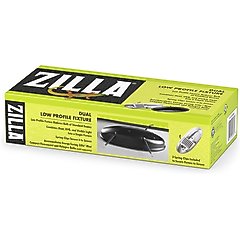
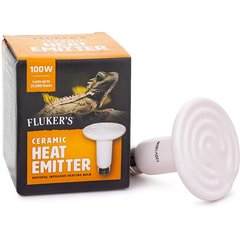
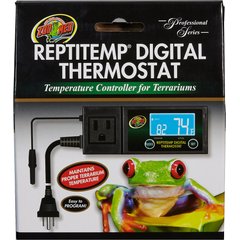
Keep heat sources attached to a thermostat so temperatures stay within a safe range. Don’t use heat rocks and never put light bulbs inside the habitat.
Recommended Product
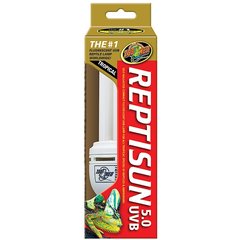
Your boa needs around 10–12 hours of exposure to ultraviolet light daily. Place the UV light about 12–18 inches from where the boa usually hangs out, and replace the bulb every 6 months or so as its potency wanes.
Recommended Product
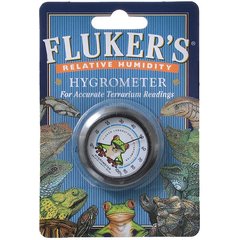
The humidity level throughout the tank should be between 40–60%. During shedding cycles, it can be increased to around 70% to aid with loosening the snake’s skin. Use a humidity gauge daily to measure humidity.
Recommended Product
Cleaning and Maintenance
Disinfect your boa’s enclosure at least once a week with a habitat cleaner or a 3% bleach solution. After moving your snake to a secure environment, remove any decor and accessories for washing and discard the old substrate.
Scrub the tank and accessories, leaving the solution on for at least 10 minutes. Thoroughly rinse until the residual smell of the cleaning agent is gone. Make sure the tank is completely dry before putting in new substrate and the dried decor and accessories.
Always wash your hands well before and after handling your snake or anything inside the habitat to prevent the spread of bacteria like salmonella.
Boa Snake Food
Feed your boa whole, previously frozen, thawed rodents, like rats or mice. Baby boas can eat hairless baby mice, while juveniles can eat “hoppers,” or young mice that are half the size of adults. Transition your boa to larger prey, such as adult mice, as they grow. Don’t feed your boa live prey, since they can attack your snake and potentially introduce parasites.
Recommended Products
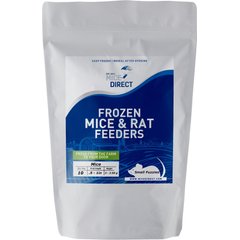
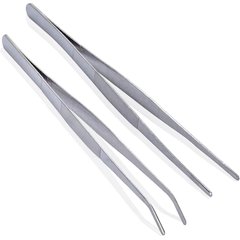
It’s ideal to feed your snake in a separate enclosure so they don’t associate your fingers with food, but you can also feed your snake in their main enclosure. Regardless of whether you’re moving your boa for feedings or not, use tongs to offer food, not your fingers.
Boas are nocturnal and should be fed in the evening or at night. How much you feed your boa depends on their age and size. Juveniles should eat weekly, while adults can eat every other week.
The prey should be no larger than the width of your snake’s mid-body. So if your snake has a 1-inch midsection, food should be no wider than 1 inch.
How To Hold a Boa Constrictor
Most boas enjoy being held, and you can hold your boa regularly, such as once a day. Be mindful that younger or new boas won’t be used to being held, so let them acclimate to their habitat first.
Boa Constrictor Health
Boa constrictors regularly shed, and, if healthy, shed in one complete piece. Their spectacles (the eye caps) will also shed along with the skin. Limit handling while your boa is shedding, as your snake can be irritable during this time.
Pay attention to your snake’s health and appearance on a daily basis. Your boa should have bright, clear, and clean eyes, a clean vent, and regular tongue-flicking. Look for intact skin, free from bumps, lumps, or swelling. They should have good muscle mass throughout their body and a relaxed demeanor.
Take your snake to the vet annually for a checkup, or whenever you think your boa might need medical attention. Call your vet if you notice cloudy, dull, swollen, or sunken eyes, or if they have stuck shed on their eyes or body.
Skin lesions, lumps, or ulcerations are also cause for concern. Call your vet right away if you notice:
- Lethargy
- Decreased appetite
- Paralysis around any part of their body
- Diarrhea
- Weight loss
- Dehydration
Boa Constrictor Supply Checklist
- Appropriately sized habitat
- Substrate and sphagnum moss
- Water dish
- Hideaway places, climbing decor, and plants
- Heat light/emitter
- Heat fixture and under-tank heater
- Thermometers and a humidity gauge
- Low-level UV bulb
- UV bulb fixture
- Separate feeding tank
- Whole, frozen rodents
FAQs About Boa Constrictors
What is a boa?
A boa is a species of snake in the Boidae family.
Are boa constrictors good pets?
Boa constrictors are great pets for beginners and advanced reptile keepers alike. When well cared for, these snakes can live long, healthy lives.
How big do boa constrictors get?
Some adult boa constrictors are 10+ feet long.
How long do boa constrictors live?
Boa constrictors can live up to 30 years.
Are boas venomous?
No, boas are nonvenomous constrictors.
What do boa constrictors eat?
Boa constrictors are carnivores, and these pet snakes can be fed whole, previously frozen, thawed rodents.
Attributions