Anole Care Sheet


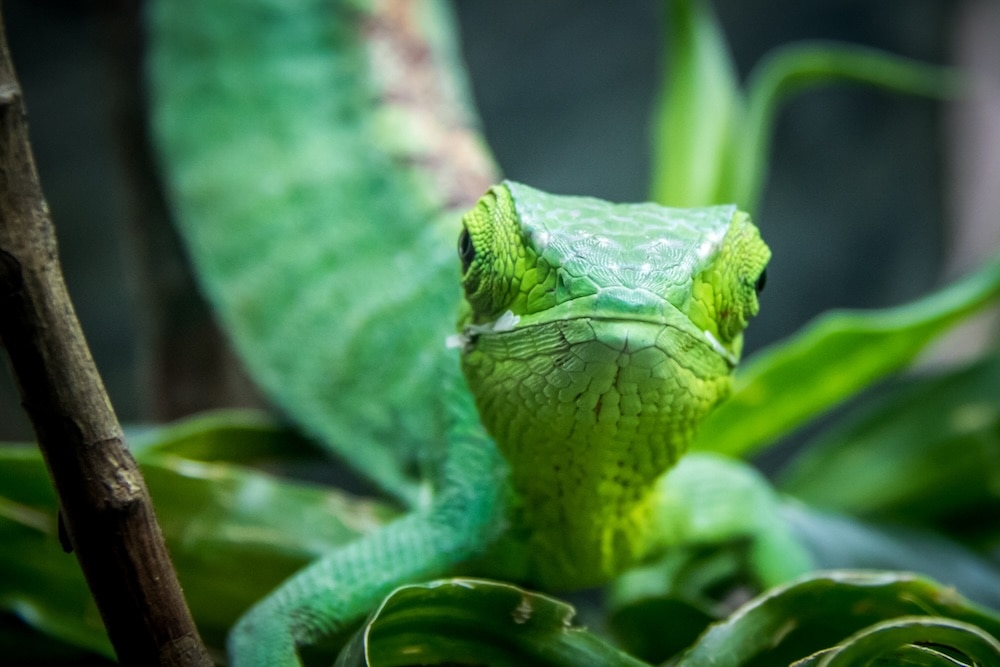
Photo by diegograndi/iStock/Getty Images Plus
Anoles are tiny green and brown reptiles native to the southern United States, the Bahamas, and Cuba. If you recently got an anole or are thinking about getting one as a pet, make sure you have everything they need for a healthy, thriving life.
Anole Overview
- These small lizards measure 5–8 inches long as adults.
- Expect your anole to live around 3 years with proper care.
- You can keep single or multiple anoles, but if you mix the sexes, expect them to breed.
Fun Facts About Anoles
- Anoles can break off their tails to get away from predators.
- These lizards are fast and can be difficult to catch.
- Anoles need to get used to being handled, but can tolerate it once they adjust to their new surroundings.
Anole Habitat
A small habitat that’s at least 10 gallons in size is good for one or two anoles, while three to four should be in an enclosure that’s at least 20 gallons. Whenever possible, always get the largest enclosure you can.
Recommended Products
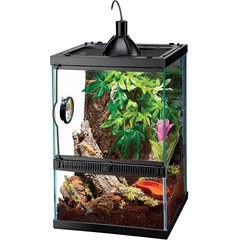
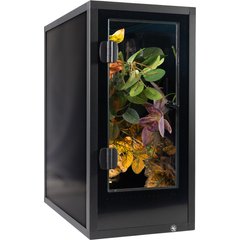
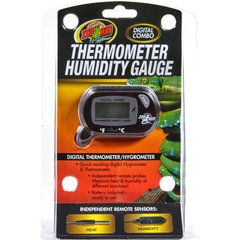
Even though anoles are small, they need a habitat that is taller than it is wide for vertical climbing. Keep a tight-fitting, screened lid secured to the top to prevent your anole from escaping. While fully screened enclosures are available, they make it hard to reach and maintain the ideal 60–70% humidity range—use a humidity gauge to monitor humidity levels.
Line the bottom of the habitat with sphagnum moss, coconut fiber, cypress mulch, or another reptile-safe substrate that retains moisture well.
Recommended Products

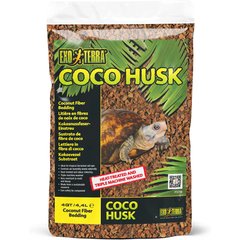
Don’t use cedar bedding or wood shavings, as they can be harmful to your anole.
Use a water mister to spray the substrate, keeping it moist but not soaking wet to help maintain humidity levels.
Keep the enclosure at least 5 feet off the ground, as being kept too low can stress your pet.
Create a thermal gradient inside the habitat with heaters and lights. The temperature on the warm end should be 85–88 F, while the basking area should be 90–95 F. At night, keep the temperature around 70–75 F by turning off some of the heat supplements.
Recommended Products
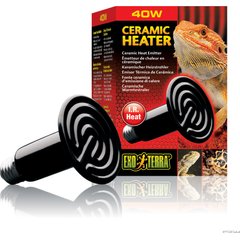
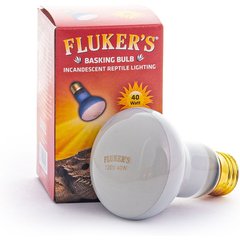
Keep the cooler end of the tank around 75 F, and make sure the temperature doesn’t drop below 70 F at night.
Place thermometers throughout the tank to monitor temperatures in the cool, warm, and basking areas daily. You can also use a digital point-and-shoot thermometer.
Recommended Product

Attach a thermostat to each heat source so you can set the temperature to the appropriate range.
Recommended Product
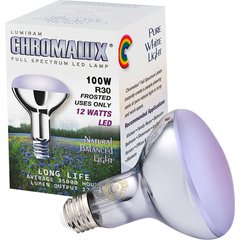
Your anole needs 10 to 12 hours of ultraviolet light each day, so put a full-spectrum UV light above your pet’s habitat.
Recommended Product
Include two hiding areas inside the habitat—one on the warm end and one on the cool side. These are not only for privacy, but to help your pet regulate their body temperature.
Recommended Products

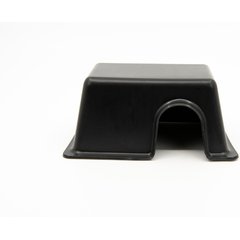
If you keep more than one anole in the habitat, each should have their own hiding areas.
Add moist sphagnum moss to the inside of the hideout box on the warm end to help boost humidity.
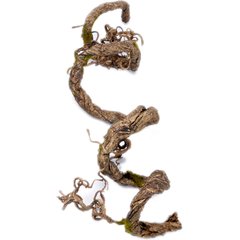
Place branches and rocks throughout the enclosure so your anole can bask, rest, and climb as they wish.
Recommended Product
Cleaning and Maintenance
Spot-clean the habitat daily by removing any soiled material and discarded food, and wash food and water dishes regularly.
Fully disinfect the habitat at least once a week by using a reptile habitat cleaner or a 3% bleach solution. When doing a full cleaning, remove your anole and put them in a separate, secure enclosure for their safety.
Recommended Product
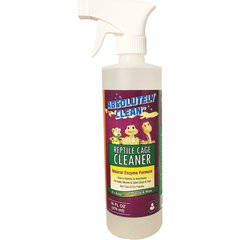
Thoroughly rinse the tank and accessories with water, and allow the tank to fully dry before adding fresh substrate and putting back the cleaned accessories and your reptiles.
Always wash your hands before and after handling your anole and anything inside the habitat.
What Do Anoles Eat?
Anoles need gut-loaded (recently fed) insects, such as mealworms, roaches, and crickets. Give your reptile a variety of insects so they don’t get bored with the same meal every day. Juveniles need to be fed daily, while adults can be fed every other day.
Live insects—not freeze-dried—are best, as anoles love to hunt. Make sure insects are no larger than the width between your anole’s eyes.
Recommended Product

The amount of insects to feed will vary by your pet; a good rule of thumb is offering two to three insects at each feeding. Don’t offer more than your lizard can eat within a few minutes. If there are any leftover insects after a few minutes, remove them promptly.
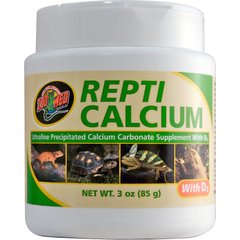
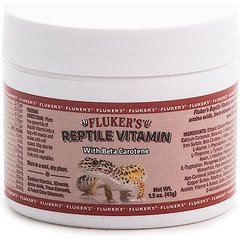
Dust insects with a powdered calcium supplement before every meal and a multivitamin once a week.
Recommended Products
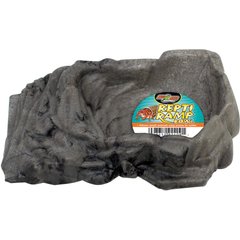
Add a water dish that’s large enough for your anole to soak in, and replace the water daily.
Recommended Product
Anoles like drinking water droplets off plants, so use a water mister to spray inside the tank multiple times a day to ensure they always have access to some water—this will also help maintain proper humidity levels.
Anole Handling
It’s normal for anoles to take a few weeks to get used to their new surroundings. After that, your anole may be comfortable with gentle handling.
Anoles are small, fast-moving lizards, making it hard for you to catch them and making it easy for them to jump out of your hands if you aren’t careful. Handle anoles only over soft surfaces to reduce the risk of injury, and do so in a secure room where they won’t get stuck or lost.
Anole Health
Anoles regularly shed their skin, with adults shedding every four to six weeks and juveniles shedding more frequently. Anoles shed in patches, not in a single piece. During shedding, make sure your anole has constant access to fresh, warm water in a dish, as they might soak in it to help them shed.
Take your anole to a veterinarian shortly after adoption, then schedule annual checkups. A healthy anole has clear eyes, a clean tongue and vent, a healthy appetite, and vibrant skin color.
If you notice open-mouth breathing, lethargy, or nasal discharge, your pet may not be healthy. Weight loss, retained shed, loss of appetite, and skin lumps are also signs of problems. Take your pet to see a vet right away if you notice any symptoms.
Pet Anole Supply Checklist
- Appropriately sized habitat
- Substrate and sphagnum moss
- Food and water dishes
- Mealworm dish
- Plants, climbing decor, and hideaway places
- Heat lights and fixtures
- UVB lighting
- Thermostat
- Multivitamin and calcium supplement with vitamin D
- Cricket keeper, food, and quencher
- Live insects
- Thermometers and a humidity gauge
- Water mister
FAQs About Anoles
How do you pronounce “anole?”
Anole is pronounced, “a-no-lee.”
Do anoles like to be petted?
While anoles might be skittish in new environments, many enjoy gentle handling once they adjust.
How long do anoles live?
With proper care, anoles can live up to 3 years and sometimes longer.
How big do anoles get?
The average adult anole is 5–8 inches in length.
Do anoles lay eggs?
Yes, female anoles lay eggs, and they can lay them with or without a male anole present.
Do anoles need a heat lamp at night?
Anoles may not need a heat lamp at night if you can maintain enclosure temperatures around 70–75 F without it.
Are anoles high-maintenance?
As pets, anoles are fairly low-maintenance and require less attention than some other reptiles. However, they have specific habitat and diet requirements that need to be met to keep them healthy.
Attributions