Tips for Trailering Horses in Hot Weather: A Safer Summer Hauling Guide


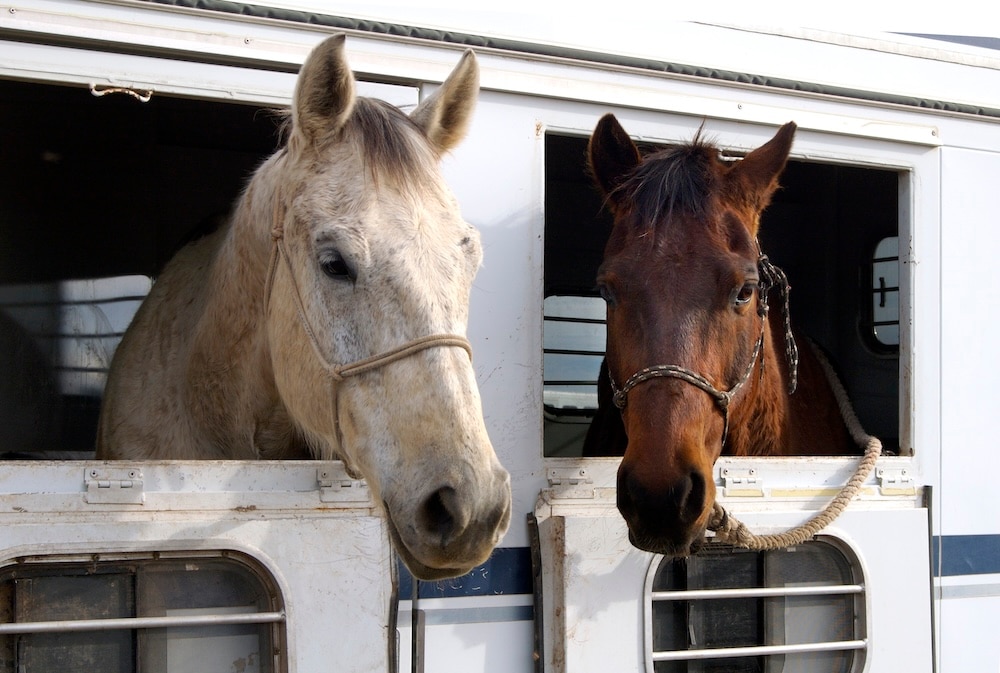
Photo by photosbyjim/iStock/Getty Images Plus
Summer hauling is a part of horse ownership if you plan to show, trail ride, attend clinics, or take your horse to the veterinarian. But the combination of heat, humidity, and a heat-conducting metal trailer can quickly introduce overheating risks.
This guide provides simple steps to reduce risk before you load, on the road, and at stops. Always consult your veterinarian for foals, seniors, and horses with medical conditions or prior heat illness to make sure they are healthy enough for travel.
- Why Hot Weather Trailering Is Riskier Than It Seems
- Before You Haul: Prep Tips for Trailering Horses in Hot Weather
- While You’re Driving: Keep the Trailer Cooler and Safer
- Stops and Breaks: What to Do at Rest Areas, Gas Stations, and Shows
- Signs Your Horse Is Overheating During Transport
- FAQs: Trailering Horses in Hot Weather
Key Takeaways
- Plan trips for early morning or late evening, and avoid peak heat whenever possible.
- Never leave a horse in a parked trailer; trailer temperatures can climb fast and become dangerous.
- Prioritize airflow (roof vents + windows for cross-ventilation) while keeping horses safely inside the trailer.
- Offer water often, and travel with your own supply so you’re not relying on unknown water sources.
- Know early heat stress symptoms (e.g., rapid breathing, low energy, dry mouth/gums) and call your veterinarian if concerned.
Why Hot Weather Trailering Is Riskier Than It Seems
Your truck cab may feel cool and comfortable, but the temperature and humidity in your horse trailer will be higher. Aside from weather conditions, riding in a trailer also raises your horse’s body temperature.
Heat, Humidity, and Evaporative Cooling
Horses regulate their body temperature by sweating. As sweat evaporates, it creates a cooling effect. However, humidity reduces sweating effectiveness. Even the most well-ventilated trailers have less airflow than the outdoors, and they can hold in humidity, making it harder for horses to remain comfortable.
The “Don’t Get Fooled” Factor: Trailers Heat Up Fast
Trailers attract and trap heat. Windows and vents create airflow during movement, but parked trailers can quickly build up heat. On hot days, keep stops as short as possible.
Before You Haul: Prep Tips for Trailering Horses in Hot Weather
Preparation helps prevent most problems. Following a few simple steps can help you keep your horse as comfortable as possible during hot weather hauls.
Pick the Coolest Travel Window
Start preparing the night before. Bruce Whitford, owner of Bruce Whitford Equine Transportation, opens trailer doors and windows the night before to cool down the trailer.
Plan travel during the early morning or late evening hours, check the forecast for temperature and humidity, and be willing to delay or cancel if conditions are extreme
“Ideally, you’re not traveling in the hottest part of the day,” says Beau Whitaker, DVM, CERP, a partner at Brazos Valley Equine Hospital in Salado, Texas. “Sometimes that’s not possible, depending on how far you’re traveling. In those cases, maximize airflow, and if you can get the horses off and hose them at some point, that can help them cool off.”
On the day of travel, Whitford says, “Horses should be the last thing you load and the first thing you take off when you arrive.”
Hydration Game Plan (No Guessing)
Hydration is essential for a safe and healthy trip. Be proactive and reduce dehydration risks by:
- Offering free choice water before loading
- Bringing water from home in clean containers
- Planning water breaks
Aim to stop at least every few hours for 20–30 minutes to allow your horse to rest and have an opportunity to drink.
“A good rule of thumb is not to haul more than three hours continuously if the heat index is over 100,” Dr. Whitaker says. “It’s important to let horses cool off every couple of hours.”
Whitford likes to stop even more frequently—every two hours.
Trailer Summer Safety Check
Before loading up, inspect your trailer to make sure you’re maximizing airflow and comfort for your horse.
Use this checklist before every trip:
- Confirm roof vents and windows are open for maximum cross-ventilation. If your trailer has fans, turn them on.
- Remove soiled bedding and replace with clean, low-dust bedding.
- Check tires, lights, and brakes to avoid breakdowns that leave you parked in the sun.
- Create a plan for finding shade and loading/unloading areas along your route.
Special Care for Foals, Seniors, and High-Risk Horses
Healthy adult horses are usually well-equipped to handle summer hauling with proper preparation. Extra consideration should be provided for:
- Foals
- Older horses
- Horses who have experienced heat stress
- Horses who do not sweat easily (anhidrosis)
- Horses with health conditions
Ask your veterinarian for guidance if your horse falls into one of these categories.
While You’re Driving: Keep the Trailer Cooler and Safer
When trailering in hot climates, the goal is to reduce travel stress to prevent your horse from overheating. Providing a comfortable ride starts with steady airflow and avoiding delays.
Ventilation Dos and Don’ts
Good ventilation helps reduce the risk of your horse developing heat stress. Adequate airflow also circulates out gases like ammonia and reduces dust, which can help minimize the risk of respiratory diseases like shipping fever.
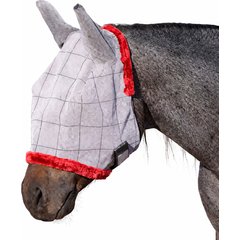
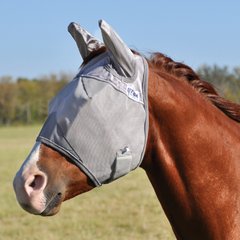
Open all vents and windows to promote cross-ventilation. If windows do not have screens, consider using a fly mask to reduce the chances of dust or debris getting into your horse’s eyes.
Recommended Products
Ensure windows have screens or bars to prevent a horse from sticking their head out during travel.
Route Planning to Avoid Sitting Still in Heat
One factor you can’t control is traffic. But you can plan routes that reduce your chances of getting stuck sitting on the highway. For example, Whitford frequently drives along the East Coast and plans routes to avoid New York City, Philadelphia, Baltimore, and Washington, D.C. to reduce the risk of idling on the highway.
Be sure the route you’re taking avoids roads with weight or size restrictions. Trucker apps offer more accurate GPS services that include truck-friendly routes, highway restrictions, parking availability, and other information to optimize your route.
Also, create a contingency plan that answers the question, “What if we get stuck?” Consider places to pull over, shade options, and who to call for help at points along your route.
Stops and Breaks: What to Do at Rest Areas, Gas Stations, and Shows
Unless you’re hauling within a few hours of home, you’ll have to make stops along the way. Brief breaks give horses time to rest and recover, but prolonged stops can cause heat spikes in the trailer.
The Golden Rule: Never Leave a Horse in a Parked Trailer
If you’re on a long haul, chances are you’ll need bathroom and food breaks. Parked trailers can become dangerously hot quickly, so be efficient in your breaks and look for shaded parking spots.
“When the trailer is moving, it provides airflow, but once you stop, you don’t have that helping to cool the horses off,” says Dr. Whitaker.
Offer Water and Monitor Your Horse at Every Stop
At every stop, follow this checklist to avoid heat stress in your horse:
- Offer water. Don’t skip chances to drink.
- Check their breathing effort and respiratory rate.
- Observe their behavior and attitude.
Quick Cooling Basics (Keep It Safe and Simple)
If you notice your horse is hot during the trip, you can use these simple techniques to help them cool down:
- Use a sponge or a mister bottle to apply cool water to their body.
- Dr. Whitaker recommends carrying a spray bottle of rubbing alcohol to mist onto an overheated horse. Veterinarians use alcohol to help horses break a fever because it speeds evaporation, he explains.
If your horse’s signs of overheating persist or worsen, contact a veterinarian immediately.
Signs Your Horse Is Overheating During Transport
Recognizing the early signs of overheating can help you address the situation before it becomes dangerous. Taking steps to help your horse as soon as you notice signs of heat stress can help you avoid an emergency.
Early Warning Signs to Watch For
Early signals can suggest your horse is getting overheated. Look for these subtle changes at every stop:
- Elevated breathing rate even after rest
- Low energy/mental dullness
- Dry mouth/gums or slow capillary refill time (how long it takes for color to return to the gums after applying light pressure) which should take no longer than 2 seconds
When To Call the Veterinarian
For local hauls, store your veterinarian’s number in your phone, trailer, and vehicle. When hauling long-distance, consider using an equestrian roadside assistance service that provides a list of veterinarian referrals.
Call a veterinarian if you observe:
- Persistent symptoms
- Worsening weakness
- Collapse
- Abnormal behavior
Knowing a few basic but important strategies for hot weather hauling can help you keep your horse comfortable during trips just down the road or hundreds of miles from home.
“Keep the horse as stress-free as possible,” Whitford says. “Don’t go fast, don’t start fast, don’t stop fast, and always give yourself plenty of room ahead of you.”
Remember, work with your veterinarian for personalized advice.
FAQs: Trailering Horses in Hot Weather
What are the best tips for trailering horses in hot weather?
Plan your route to avoid long stops; offer fresh water before, during, and after the trip; do not leave horses in parked trailers.
How often should I offer water when hauling in the heat?
Stop every two to four hours, depending on conditions, and offer water at each stop.
Should horses be allowed to stick their heads out of trailer windows to cool off?
If parked in a safe spot during a rest break. Never while moving.
Can a parked horse trailer get dangerously hot?
Yes. Horse trailers heat up quickly when parked.
How can I tell if my horse is overheating during transport?
Flared nostrils, elevated breathing rate, excessive or no sweating, low energy, and dark red or purple gums are all signs of heat stress.
Are foals or senior horses at higher risk when hauling in summer?
Yes, foals and senior horses can have a harder time regulating their body temperature.
Attributions