How To Ride Horses Safely in Hot Weather: Heat Index Tips, Hydration, and Cool-Down Steps


Photo by Eloi_Omella/E+
Riding in the summer can be a lot of fun, but if your horse struggles with the heat, your adventure could be dangerous for their health. This guide explains how to ride horses safely in hot weather, including how to use temperature and humidity to decide whether to ride or not, how to adjust your plan to account for the heat, and how to cool your horse down quickly and safely afterward.
Note: These tips are for informational purposes only. Always follow your veterinarian’s guidance.
Key Takeaways
- Hot weather risk is about heat + humidity, not temperature alone—check the heat index before riding.
- Plan lower-intensity rides during cooler hours, and add breaks, especially for out-of-shape, older, or heavy-coated horses.
- After work, cool your horse promptly with shade and airflow, and by hosing them with cool water, but continue monitoring them to ensure recovery.
- Know early heat stress signs, and treat severe signs as an emergency by calling your veterinarian right away.
Why Hot Weather Riding Can Be Risky for Horses
When the environmental temperature is high, horses can be at risk for dehydration, exhaustion, and heat stress, which can all lead to illness or even death.
Horses can regulate their body temperature by sweating, but keep the environment and your individual horse’s risk factors in mind when riding in the heat.
Heat + Humidity Matters More Than Heat Alone
Horses cool themselves when sweat evaporates off their bodies. When high temperatures combine with high humidity, less evaporation can occur, making it harder for them to regulate their body temperature.
Horses Who Need Extra Caution in the Heat
Horses are individuals, and some require additional care in warm weather.
- Older horses, overweight horses, or horses returning to work since they may not be as fit
- Horses with thick coats or dark coats are more heavily insulated, holding in body heat
- Horses hauling, competing, or doing intense work need to be appropriately conditioned to work in hot weather
- Horses with a history of heat stress (ask your vet for a plan)
- Horses with anhidrosis, a condition that prevents them from being able to sweat
“You really need to keep a close eye on a horse who isn’t sweating enough,” says Dr. Francisco Alvarez of Lone Star Equine Sports Medicine in Montgomery, Texas. “If they’re exercising in the heat of the day, in humidity, they can get very dehydrated or have heat stroke.”
When Is It Too Hot to Ride a Horse?
Before saddling up, check conditions to make sure it’s safe for your horse.
Check the Heat Index
US Equestrian, in collaboration with the American Association of Equine Practitioners (AAEP), shares heat index guidance for horses. The heat index is a weather tool that takes both the temperature and humidity into account.
- If the heat index is below 130, you can enjoy riding.
- When the heat index is 130–150, monitor for potential signs of heat stress.
- When the heat index is 150–180, it’s critical to monitor for signs of heat stress.
- If the heat index is above 180, consider alternative riding times.
To implement:
- Look for the “Heat Index” section on your weather app.
- Consider that direct sun, no breeze, and riding in an arena can feel hotter than the thermometer suggests.
How To Plan a Safer Ride in Hot Weather
You don’t have to skip riding sessions in the summer, but you can help your horse by planning ahead and considering their fitness level.
Pick the Right Time and Place
If you’re strategic about when and where you ride, you can reduce the chances of your horse overheating.
- Ride in the early morning or late evening, if possible, to take advantage of cooler temperatures.
- Choose shaded trails or breezier areas.
- Avoid deep footing on very hot days to reduce your horse’s workload.
Adjust Intensity and Duration
Rides in hot weather should not be long or intense. You can still enjoy a great riding session with a few modifications.
- Spend more time warming up, and do a shorter “work” phase.
- Build in walk breaks to let your horse recover.
- Try swapping speed work for technique work, such as bending, softening, and transitions at low intensity.
- Ride for a shorter amount of time.
- Stop for breaks in the shade and offer water frequently.
Build a Heat Conditioning Plan
Building your horse’s fitness level can improve their heat tolerance, but avoid increasing the intensity too quickly.
- Exercise a bit each day to build stamina, and gradually increase the duration of each exercise session.
- Track your horse’s ability to recover (breathing and attitude returning to normal within 15 minutes).
- Make sure your horse is appropriately conditioned before competing in hot weather.
- When in doubt, ask your veterinarian and trainer to help you plan for hot weather exercise.
“You don’t ever want to push a horse, especially in the middle of the day, more than what their condition can allow them to do,” says Dr. Alvarez.
Hydration Tips Before, During, and After Riding
Hydration is a vital part of cooling a horse, preventing dehydration, and lowering their core body temperature.
Make Drinking Easy
Keeping your horse hydrated can reduce heat-related illness and other issues like dehydration or colic. In hot weather, your horse may need to drink 12–18 gallons of water per day.
- Give your horse access to cool, clean, fresh water at all times
- Watch for changes in drinking behavior
Electrolytes: Talk to Your Veterinarian First
If your horse has been sweating or working hard, electrolytes can help replenish salts and nutrients, leading to faster and easier recovery.
Recommended Products
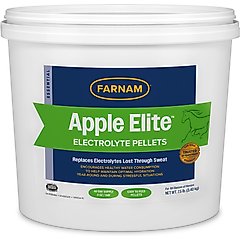
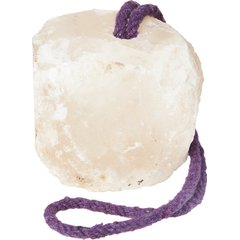
- Offer clean water alongside electrolytes.
- Electrolyte pastes are often considered easiest to administer.
Recommended Product

- Follow your veterinarian’s guidance and product directions for dosing.
“Anytime you give any electrolytes, you should also provide fresh water,” says Dr. Alvarez. “If you give a lot of salts to a horse and you don’t give the horse water, you can end up giving them too many electrolytes.”
How To Cool Down a Horse After Riding in Hot Weather
If your horse seems to be struggling to cool down after a ride or they’re acting unusually, try to lower their body temperature as soon as possible. But even if they seem OK, it’s still a good idea to quickly start the cooldown process on a hot day.
The Fast Cooldown Routine
Cooling off a horse after riding does not require special tools or an air-conditioned space. You simply need shade, airflow, and cool water.
- Move your horse to shade and provide airflow (breeze or fan)
Recommended Product
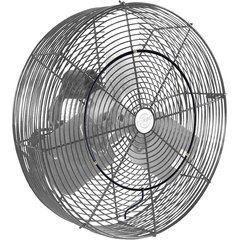
- Apply cool water to their body (continuous hosing when needed). Evaporation of water creates a cooling sensation, so a whole-body shower with cold water can quickly bring your horse’s core body temperature down.
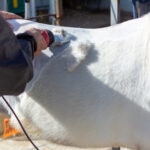
- Use sweat scraping to remove water from the body, as this will aid in evaporation and cooling.
Recommended Product

- Keep monitoring your horse’s comfort and recovery, and watch for signs of distress and heatstroke for at least 30 minutes.
What “Normal Recovery” Should Look Like
After exercise, look for these signs of normal recovery:
- Breathing rate slowing to normal (about 20 breaths per minute)
- Less sweating over time
- Bright, responsive attitude
- Not staying “tucked up,” shaky, or dull
“You want to cool them until the point when the respiratory rate goes down and they’re not flaring their nostrils anymore,” says Dr. Alvarez.
Contact your veterinarian if recovery seems delayed (takes more than 15 minutes) or abnormal.
Heat Stress Signs in Horses
Heat stress is concerning, and it can escalate quickly to heat stroke, which is an emergency.
Early Warning Signs
Keep an eye on your horse for these signs during hot weather:
- Heavy breathing (more than 40 breaths per minute) that doesn’t improve with 10–30 minutes of rest
- Fatigue, dullness, or decreased coordination
- Excessive sweating or, more concerningly, not sweating despite the heat
- Dry mucous membranes in the mouth or a slow capillary refill time of the gums (greater than 2 seconds)
- A quiet gut when you place your ear behind the ribs—if you don’t hear gurgling sounds, your horse may be on their way to dehydration, colic, or heat exhaustion
Emergency Signs
If your horse shows any of these signs, call your veterinarian immediately, begin hosing your horse down with cool water, and move them to a shaded area with circulating air. Do not delay.
- A rectal temperature above 104.5 F
- Collapse, severe weakness, or wobbliness
- Disorientation or unusual behavior
- Getting worse rapidly
Hot Weather Riding Checklist
Before any riding session in hot weather, follow a quick checklist:
- Before: check heat index, plan your route and ride time, pack water, choose lighter work
- During: take frequent breaks, offer water often, rest in shade when possible, monitor effort
- After: provide shade and airflow, hose them with cool water, offer fresh drinking water, monitor recovery
FAQs
When is it too hot to ride a horse?
If it is too hot for you to go out and do some intense exercise, that’s a good indicator that it might be too hot for your horse to be ridden.
- If the heat index is below 130, you can enjoy riding.
- When the heat index is 130–150, monitor for potential signs of heat stress.
- When the heat index is 150–180, it’s critical to monitor for signs of heat stress.
- If the heat index is above 180, consider alternative riding times.
Do fans help cool horses after riding?
Yes, air blowing across a horse’s body is very helpful in cooling them off as it increases evaporation, especially if they’ve been hosed down with cool water
What are early signs of heat stress in horses?
Increased respiratory rate, flared nostrils, fatigue, excessive sweating, or a lack of normal sweating.
How do I cool my horse down fast after a summer ride?
Continuously hose cool water over their body, scrape off excess water periodically, and keep them in shade with a fan.
Should I give my horse electrolytes in hot weather?
Yes, making sure to offer plain, clean, fresh water as well.
Is it safer to ride in the morning or evening during a heat wave?
Both are good options, but temperatures will generally be cooler in the early morning than in the evening.
Attributions