Seahorse and Pipefish Care Sheet


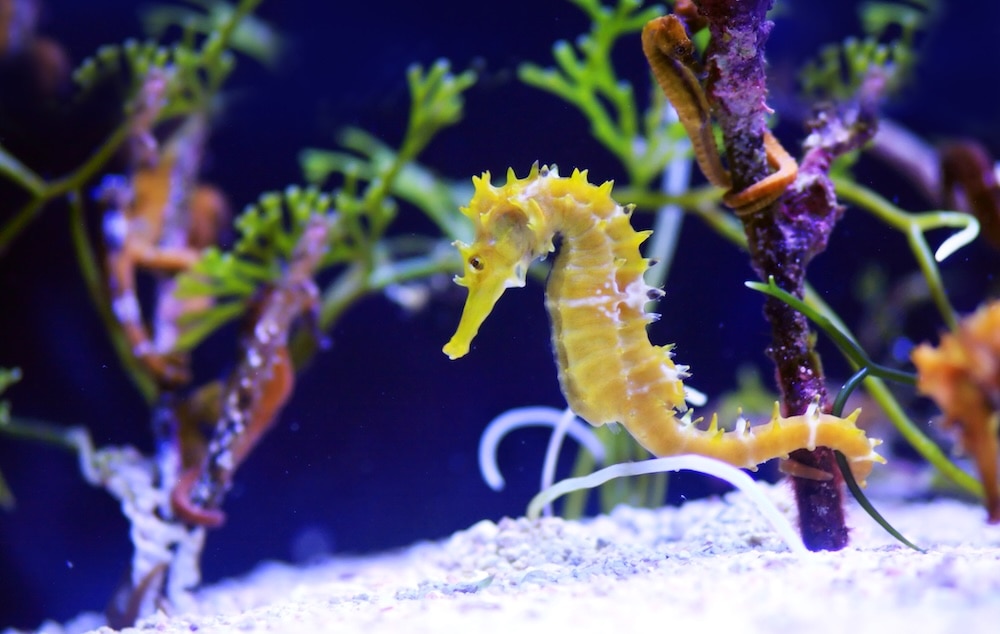
Photo by skynesher/E+
Seahorses and pipefish are naturally found in tropical habitats in the Indo-Pacific region and Caribbean Sea. This care sheet covers various types of seahorses and pipefish, including:
- Lined seahorse
- Yellow and orange Kuda seahorse
- Brazilian seahorse
- Tiger tail seahorse
- Dwarf seahorse
- Banded pipefish
- Bluestripe pipefish
- Dragonface pipefish
Seahorse and Pipefish Overview
- Seahorses and pipefish aren’t great swimmers and can’t tolerate strong currents.
- In captivity, seahorses can live 1 to 5 years, while pipefish can live 3 to 5 years.
- Due to their specialized care and attention requirements, these types of fish are best suited to more advanced fish keepers.
Fun Facts About Seahorses and Pipefish
- Male seahorses and pipefish carry the eggs, not the females.
- Seahorses swim upright and grab onto branches, corals, and plants with their prehensile tails when they want to stay in place.
- You can keep different types of seahorses and pipefish together as long as they are similar in size.
Seahorse and Pipefish Aquarium
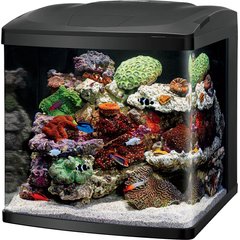
Tank sizes vary by species. Dwarf seahorses and small pipefish are fine in a 10–gallon tank, while bigger species should have one that is 29 gallons or larger.
Recommended Products
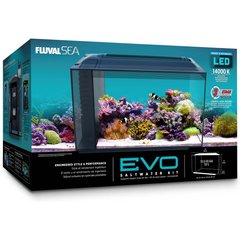
The filter is vital to your tank’s health. It filters out harmful toxins and keeps the tank clean. Look for a filter with an adjustable or low flow rate so you can give your seahorse and pipefish slow or moderate water currents.
Recommended Products
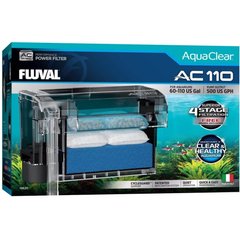
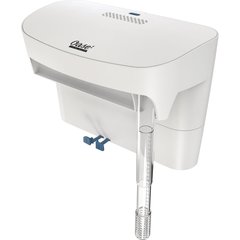
Power filters or hang-on-the-back filters won’t take up any space inside the aquarium, but size them appropriately, as seahorses and pipefish don’t like strong currents.
Filters should process the water no more than five times an hour. That means a 30-gallon tank should have a filter that processes at most 150 gallons per hour (GPH). If you can’t find your exact needs, get a filter with a slightly higher flow rate.
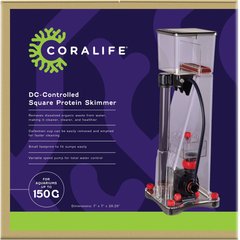
Protein skimmers (either in a sump or integrated into a hang-on-back filter) are useful to remove ammonia precursors.
Recommended Product
Add about half a cup per gallon of marine salt until the specific gravity is between 1.020–1.025. This shouldn’t change more than 0.001 in 24 hours. Use a refractometer or hydrometer to measure the specific gravity and ensure it stays within the proper range.
Recommended Products
Since they come from tropical climates, seahorses and pipefish prefer water temperatures between 74–80 F. Make sure the water doesn’t fluctuate by more than 2 degrees within 24 hours. You can use an aquatic heater and a thermometer to maintain and monitor the water temperature.
Recommended Products
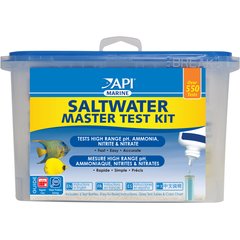
Regularly test your tank’s water with an aquarium test kit to make sure levels are safe and stable. pH should be 8.2–8.4, ammonia and nitrite should be zero, and nitrate below 40 ppm.
Recommended Product
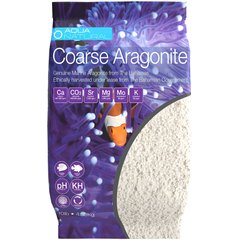
Seahorses don’t need substrate, but providing it will help improve biological filtration and helps keep pH and alkalinity stable. If you add a substrate, use one designed for marine aquariums that will help buffer the ph.
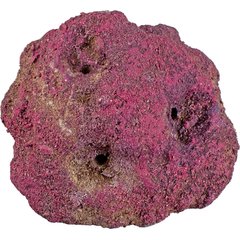
Live rock isn’t essential for seahorses or pipefish, but it does help with biological filtration.
Recommended Products
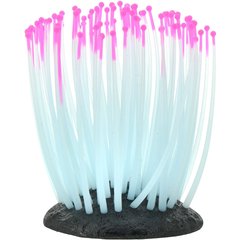
Seahorses need structures to latch onto, since they can’t swim like other types of fish. Seahorses will anchor with their tails on plants, gorgonians, and sponges. Look for artificial plants and decor with thin branches that allow the seahorses to wrap their tails around them.
Pipefish don’t have a prehensile tail to anchor on decor, but they appreciate artificial plants or other decor that helps them feel hidden.
Live coral and anemones should not be included. Seahorses and pipefish are too poor at swimming to avoid being stung by corals and anemones.
Recommended Products

Perform routine water changes every two to four weeks. Instead of draining the entire tank and replacing all the water, only replace 10–25% of the total water volume. Use a gravel vacuum when performing a water change to remove debris from the substrate.,
When adding new water, make sure it matches the current temperature, pH and specific gravity of the water inside the tank. Then test the water quality weekly to confirm the levels remain within range.
Use an aquarium-safe scrubber to keep the glass free of algae.
What Do Seahorses and Pipefish Eat?
Seahorses and pipefish are carnivores and love eating live and frozen shrimp and other small invertebrates.
The best type of prey depends on the species. Dwarf seahorses can eat baby brine shrimp, copepods, and rotifers, whereas larger species will eat whole mysis shrimp.
Seahorses and pipefish will hunt live foods, but frozen food has to be suspended in the water column for them to recognize it as food.
Seahorses and pipefish should be fed multiple times per day. The smaller the species, the more frequently they need to be fed. Live foods won’t foul the water, but any uneaten frozen food should be removed promptly.
Seahorse and Pipefish Health
With regular water tests and changes, you only need to contact a fish expert if you’re concerned about a larger issue. For instance, this could be if you notice cloudy eyes, color changes, or rapid breathing.
Lethargic swimming, lumps or bumps, white growths, or skin lesions are also cause for concern.
Reduced appetite or not eating is an urgent problem; contact your local expert ASAP in this case.
Pet Seahorse and Pipefish Supply Checklist
- Appropriately sized aquarium with hood
- Live and frozen food
- Marine substrate and aquarium salt
- Dechlorinator and bacteria starter
- Filter
- Water test kit
- Net
- Decor
- Thermometer and heater
- Hydrometer or refractometer
- Live rock (optional)
Seahorse and Pipefish FAQs
Can you get seahorses as pets?
Yes, seahorses can be kept as pets. However, these fish require special care and attention and are best suited for advanced fish keepers.
How big do seahorses and pipefish get?
Seahorses range from an inch to 12 inches as adults depending on the species. Pipefish available in the trade are typically in the range of 3–6 inches.
How long do seahorses live?
Generally, pet seahorses can live 1 to 5 years, depending on the species.
How long do pipefish live?
With great care, pet pipefish can also live 1 to 5 years.
Attributions