Lionfish Care Sheet



Photo by Anna Perfilova/iStock/Getty Images Plus
Lionfish are eye-catching saltwater fish known for their zebra-like stripes. This care sheet covers a few different types of lionfish species, including:
- Fuzzy dwarf lionfish
- Fu Manchu lionfish
- Zebra lionfish
- Volitan lionfish
- Radiata lionfish
If you’re thinking about getting a lionfish, make sure you have everything you need to give them a long, healthy life.
Lionfish Overview
- These fish are rarely aggressive, but they are voracious predators and will eat any fish or invertebrate that will fit in their mouth.
- While you can keep two or more lionfish together, you’ll need a very large tank to do so.
- All species of lionfish are marine species and need a dedicated marine aquarium to thrive.
Fun Facts About Lionfish
- The long dorsal spines along the back of a lionfish are venomous.
- Lionfish are invasive fish in Florida and the Caribbean.
- Some lionfish species can live 10 years or longer with proper care.
Lionfish Aquarium
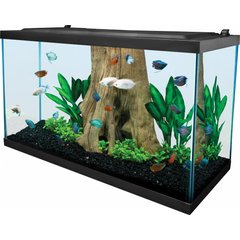
Tank size is dependent on the species. Small sedentary species, such as the Fu Manchu and fuzzy dwarf lions, will do fine in a 20–gallon tank. Larger open water species like volitans and radiata lions will need at least a 75–gallon tank.
Recommended Product
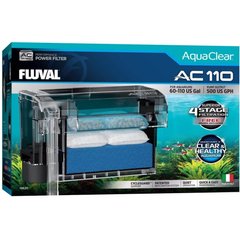
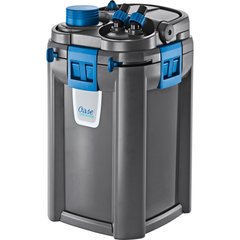
Other than the dwarf lions, lionfish are big and typically have big tankmates. A strong filter incorporating mechanical, biological, and chemical filtration is required. Try to provide a filter that turns over the tank about 10 times per hour. External canister filters and sump-based filters are ideal for bigger tanks. Protein skimmers and UV sterilizers are often included in the filter systems in larger tanks.
Dwarf lionfish in smaller tanks will do fine with a strong hang-on-back filter.
Recommended Products

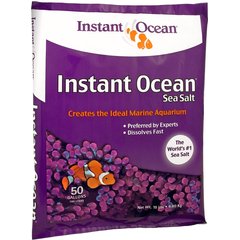
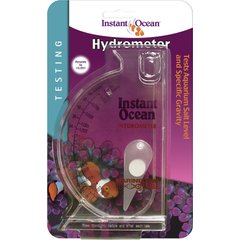
When setting up the tank, add about half a cup of marine salt per gallon. Specific gravity should be between 1.0020 and 1.0025, measured by a hydrometer or refractometer.
Recommended Products
The water temperature should be 74–80 F and shouldn’t fluctuate by more than 2 degrees within 24 hours. Install an aquatic heater with a thermostat to keep it within range.
Recommended Product
Select a heater, or combination of heaters, providing 3–5 watts per gallon. In larger tanks it may be better to combine two heaters to achieve the required wattage in the event of equipment failure.
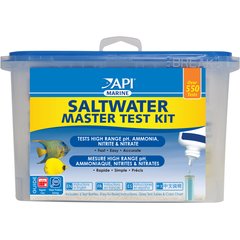
Regularly test your water with an aquarium test kit. The pH should be 8.2–8.4, ammonia and nitrite should be zero, and nitrate below 40 ppm.
Recommended Product
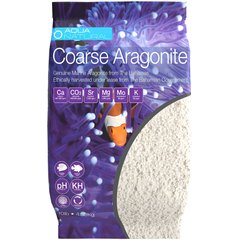
Add 1–2 inches of a dedicated marine substrate, such as crushed coral, or aragonite. These can help buffer the water and keep pH in the right range.
Recommended Product
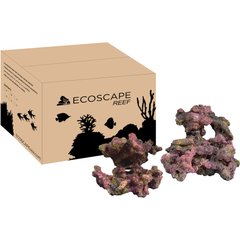
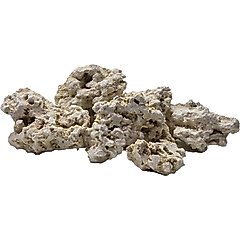
Include a few hiding spots and decor, like rocks and caves, to give your fish privacy and to mimic their natural environment. Live rock can provide hiding spots as well as a place for additional beneficial filtration bacteria to grow.
While lionfish are usually kept in a fish-only tank, they can be included in a reef tank community. They are perfectly safe with corals or other sessile invertebrates. But they will eat any smaller fish and shrimp, which are often included in reef aquariums.
Recommended Products
Cleaning and Maintenance
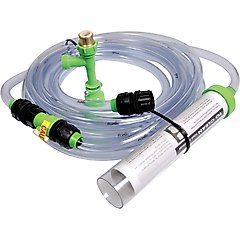
Keep your tank clean and healthy by performing routine water changes every two to four weeks. These changes should involve no more than 10–25% of the aquarium’s total water volume. Don’t drain and replace the entire water volume. You can top off your tank with distilled or reverse-osmosis water to make up for evaporation.
Recommended Product
Follow the directions on your filter regarding how often and how to clean the media. In general, you will have a mechanical pre-filter that needs to cleaned or replaced regularly, and a biofilter media that should only be cleaned in tank water or water of the same salinity, pH, and temperature so the filtration bacteria are not disturbed.
What Do Lionfish Eat?
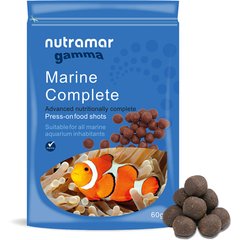
Lionfish are generally great feeders who quickly adapt to a wide range of foods. Pellets for marine carnivores are a great staple. They will also accept a wide variety of freeze-dried and frozen foods such as shrimp, krill, and silversides.
Recommended Products

Lionfish can eat daily. Smaller species should eat every day, whereas larger species can be fed every day or two.
Occasionally a lionfish will be reluctant to feed. This generally indicates a husbandry issue with water parameters. If all values are correct, the fish has plenty of hiding spots, and isn’t being bullied or outcompeted for food, then you can try offering live ghost shrimp.
Lionfish Health
A healthy lionfish has bright coloration, a full range of fin motion, and a big appetite.
If you notice anything concerning, like a change in their coloration, white growths or spots, or lethargic swimming, call a fish expert.
Rapid breathing, decreased appetite lasting more than a day, or noticeable masses, bumps, or lumps are also reasons to reach out to an expert.
Pet Lionfish Supply Checklist
- Appropriately sized aquarium with hood
- Pellets, freeze-dried and frozen foods
- Decor and rocks
- Marine aquarium salt and refractometer or hydrometer
- Marine substrate
- Water conditioner
- Filter
- Water test kit
- Net
- Heater and thermometer
Lionfish FAQs
Do lionfish make good pets?
Lionfish make great pets. They are hardy and easy to care for. They’re considered advanced because they are venomous. While it is not life-threatening, their venom is very painful. Be very careful working in a lionfish tank.
How long do lionfish live?
With proper care, lionfish can live 10 years or longer.
How big do lionfish get?
Size varies wildly depending on species. Dwarf lionfish are around 6 inches, while big volitan lions can reach nearly 18 inches, with most species in between, at 8–10 inches.
Are lionfish invasive?
Yes, lionfish are considered invasive along the east coast of the United States and in the Caribbean Sea.
Attributions