What Can I Give My Dog for Allergies?



Photo by Chewy
Have you seen your pup scratching more than usual or showing signs of hair loss? Your dog may have allergies, which are fairly common in dogs and can manifest in many ways, from red, itchy skin to skin or ear infections.
Fortunately, there are many options for treating a dog’s allergies, including topical therapy, over-the-counter or prescription medications, supplements, immunotherapy, and nutritional management. The right treatment depends on the type and severity of your dog’s symptoms.
Always talk to your veterinarian before starting any treatment for allergies.
Key Takeaways
- Common symptoms of dog allergies include itching, sneezing, skin irritation, and/or ear infections.
- Identifying the root cause of allergies in your dog is necessary for effective treatment.
- Over-the-counter antihistamines like Zyrtec can sometimes help dogs with mild allergy symptoms.
- Diet changes or prescription medications may be necessary for chronic issues.
- Never give your dog medications without talking to your veterinarian first.
Types of Allergies in Dogs
There are three main types of dog allergies:
- Flea allergy dermatitis
- Environmental allergies
- Food allergies
Flea Allergy Dermatitis
Flea allergy dermatitis (FAD) is caused by an allergy to flea saliva and is the most common type of allergic reactions in dogs. Just one flea bite can trigger an allergic reaction.
FAD typically causes inflammation along the lower back, tail base, and thighs. Common signs include:
You may also find dark specks of flea dirt in your dog’s fur—but not always if they only have a few fleas or are bitten intermittently.
FAD is typically treated with prescription medication, over-the-counter (OTC) medication, or allergy shots, as determined by your veterinarian. Prescription flea prevention given year-round is crucial for dogs with FAD.
Environmental Allergies, Such as Seasonal Allergies
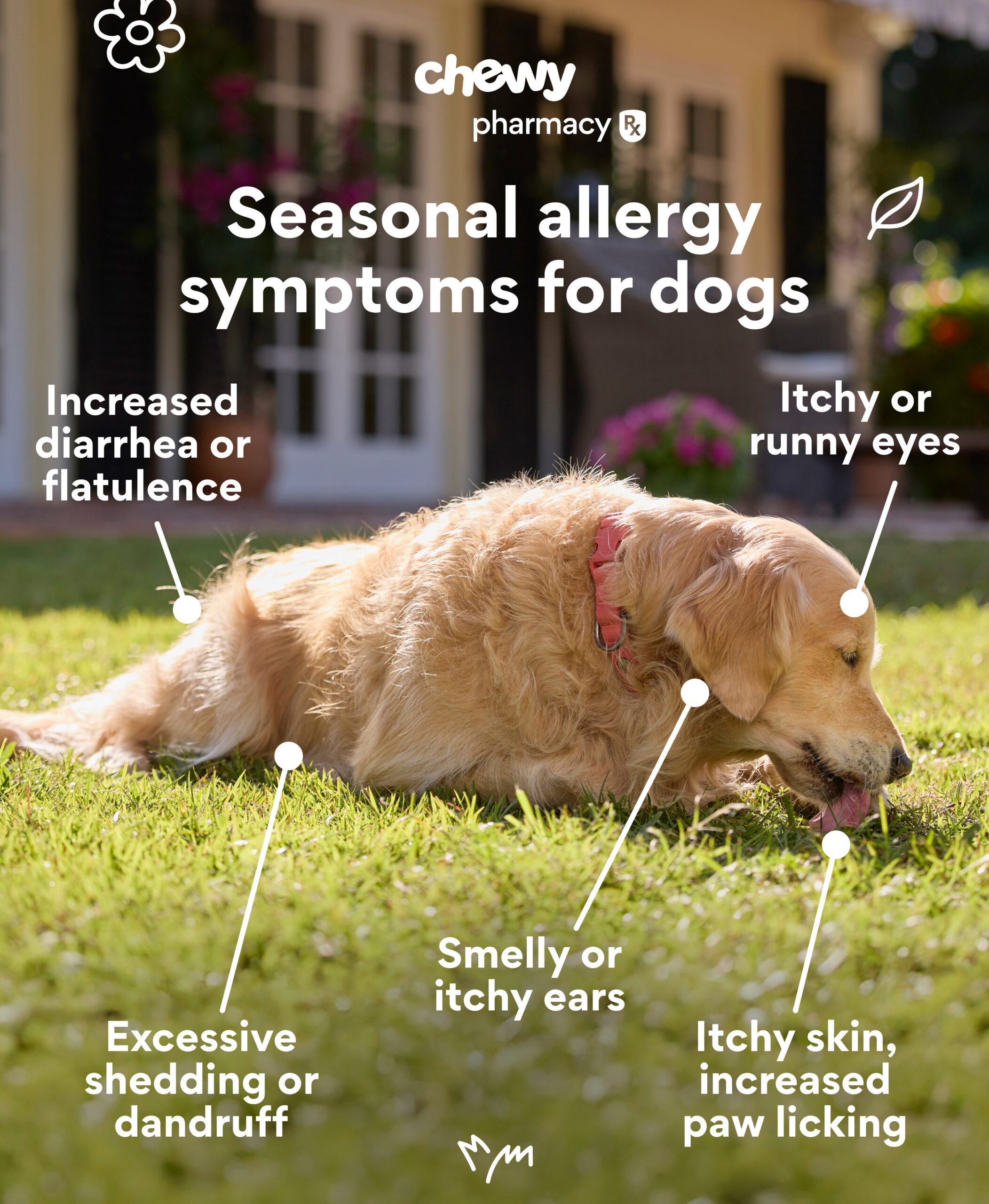
About 30% of the U.S. dog population has environmental allergies (also called atopic dermatitis). Environmental allergies are caused by things like pollen, dust, or mold, and they areusually first seen in dogs ages 6 months to 3 years of age.
Symptoms may be seasonal or year round and may include:
- Excessive scratching, licking, or chewing at the skin
- Red, inflamed, or irritated skin (especially around the paws, belly, and ears)
- Frequent ear infections or head shaking
- Watery eyes or excessive tearing
- Sneezing or runny nose
- Scooting or rubbing against furniture due to itchy skin
- Hot spots or skin infections from excessive scratching
Seasonal allergies are typically managed with a prescription medication and a therapeutic diet, such as Royal Canin Skintopic, which helps soothe sensitive skin, manages itchiness, and supports a strong skin barrier to reduce the chances of skin infections. Your vet may also recommend OTC medication or allergy shots.
Chewy
Food Allergies
When a dog’s immune system inappropriately overreacts to an ingredient in the food, usually a source of protein, this is called a food allergy. Food allergies are far less common, as 0.2% of dogs are reported to suffer from food allergies.
The most common allergens for dogs are protein in nature and include:
- Beef
- Dairy
- Chicken
- Wheat
- Soy
- Lamb
Less-common allergies include corn, egg, pork, fish, and rice.
In general, the following symptoms are associated with food allergies in dogs:
- Itchy and/or red skin
- Frequent ear infections/skin infections
- Hair loss
- Licking/chewing feet (vets often look at the underside of the paws for brown staining)
- Diarrhea
- Vomiting
- Excessive gas (flatulence)
- Weight loss
- Decreased energy (lethargy)
- Anaphylaxis
Your vet may recommend a special prescription hypoallergenic diet trial for eight to 12 weeks to see if food is the cause. If your dog’s symptoms fully resolve, your vet may determine that keeping your dog on the specific food for life is the cure and treatment for the allergy.
What Can I Give My Dog for Allergies?
There are a few ways to go about treating the symptoms, including topical medications, supplements, and prescriptions. Treatment depends on the allergy type and severity. Dogs may require a combination of therapies for optimal control.
Always check in with your veterinarian before treating your dog for allergies. They will recommend the best treatment for your pet.
Prescription Medications
Your vet may explore prescription treatments, such as oral medications or an anti-itch injection.
- Apoquel (oclacitinib): This medication starts working fast—often within hours—to relieve itching. It’s usually given twice daily at first, then once daily. It may be used seasonally or year-round. It should not be used in dogs with certain infections or cancers.
Recommended Product
- Zenrelia (ilunocitinib): This medication works to reduce itching and inflammation triggered by allergies. It’s given once daily during allergy season or can be given long term if needed. It also should not be used in dogs with certain infections or cancers.
Recommended Product
- Temaril-P: This medication combines an antihistamine and a low-dose steroid. It’s often used for seasonal or flea allergies. Because it contains a steroid, side effects may include increased thirst and urination, slower wound healing, and changes in the coat.
Recommended Product

- Cytopoint injection (monoclonal antibody): This injection is given under the skin by your vet and blocks itch receptors. This provides relief from itching for about four to eight weeks and allows the skin to heal.
- Steroids (like prednisone): Steroids can quickly reduce itching and inflammation. Possible side effects include increased thirst, urination, appetite, and higher risk of infection. Your vet will decide if steroids are a good short-term option for your dog.
- Atopica (cyclosporine): This medication treats atopic dermatitis. It can take four to six weeks to fully work. Possible side effects include vomiting, diarrhea, or loss of appetite.
Recommended Product
Topical Treatments
Topical treatments can help soothe itchy skin and manage infections. Your vet may recommend over-the-counter or prescription options.
Prescription topical options:
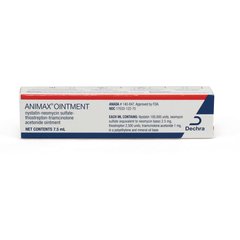
- Animax Ointment, a prescription topical treatment that combines a corticosteroid, an antifungal, and an antibiotic.
Recommended Product
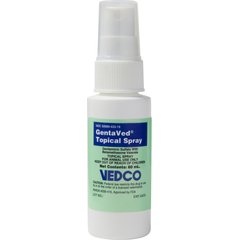
- Topical sprays containing a steroid, like VetOne GenOne Spray
Recommended Product
OTC options:
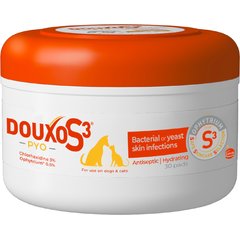
- Wipes, like Douxo S3 PYO Antifungal Wipes
Recommended Product
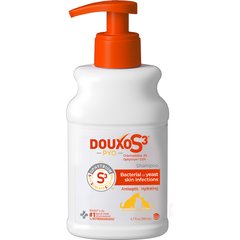
- Shampoo, like Douxo S3 PYO Antifungal Shampoo
Recommended Product
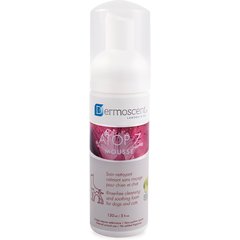
- Mousse, like Dermoscent Atop 7 Mousse
Recommended Product
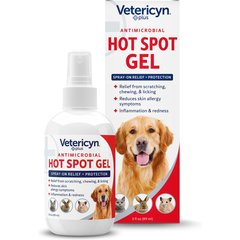
- Sprays, like Vetericyn Plus Hot Spot Spray
Recommended Product
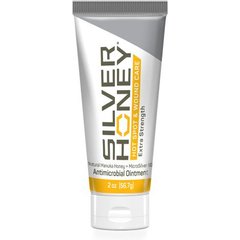
- Ointments, like Silver Honey Hot Spot Ointment
Recommended Product
Always chat with your vet first before adding a topical to your dog’s treatment plan.
Supplements
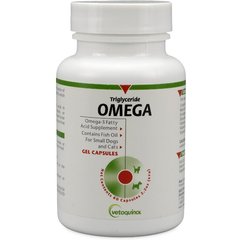
Some dogs with allergies may benefit from certain supplements, such as fish oil. Fish oil may help reduce inflammation and support skin health, which can help protect against allergens. Always ask your vet about the right dose for your dog. Talk to your vet before starting anything new.
Recommended Product
Immunotherapy (Allergy Shots or Oral Drops)
If your dog has moderate to severe allergies, your vet may recommend immunotherapy. This means that after your dog has completed allergy testing, customized allergy shots or oral drops are formulated that you give over time to gradually desensitize your dog to what they are allergic to. This is the closest way to cure allergies and rewire the immune system not to overreact to environmental triggers.
Therapeutic Diet for Allergies
Skin–Supporting Diet
As part of a personalized management plan, your vet may recommend a skin–supporting therapeutic diet, like Royal Canin Skintopic.
Recommended Products
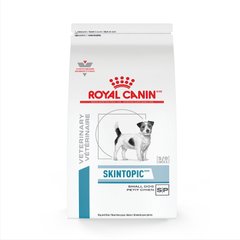
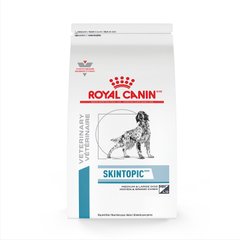
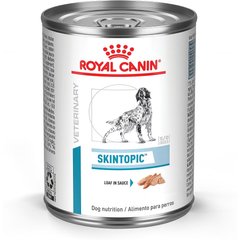
Skintopic is specially formulated for dogs with environmental sensitivities. It contains a special blend of nutrients—including omega-3 fatty acids, linoleic acid, antioxidants, vitamins A and E, minerals, and biotin—to help soothe irritated skin and strengthen the natural skin barrier.
In a clinical study, after nine months on Skintopic, 82% of dogs required significantly less medication and 64%of dogs had significantly reduced itchiness.
Hypoallergenic Diet
Food allergies can only be diagnosed by a food-elimination trial, which requires a dog to eat a hypoallergenic diet for eight to 12 weeks. If all the itching resolves on the new diet, then it’slikely your dog has a food allergy. You then have two options:
- Keep feeding your dog the hypoallergenic diet for life.
- Perform a “food challenge” by feeding your dog’s previous food to see if the symptoms return.
If your dog’s symptoms return, then they most likely have a food allergy and need to stay on the hypoallergenic diet.
If your dog’s symptoms do not return, then it is more likely they have environmental allergies. If your veterinarian has recommended a diet trial, it’s important to follow their food recommendations precisely.
There are two main types of food used for diet trials:
- Hydrolyzed diets, which are foods that are manufactured to remove allergens
Recommended Product
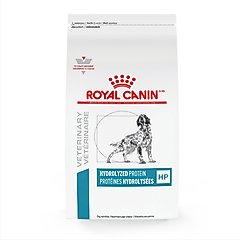
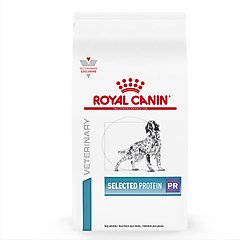
- Novel protein diets, where you feed your dog a protein and carbohydrate that they have never eaten before
Recommended Product
- Novel protein diets, where you feed your dog a protein and carbohydrate that they have never eaten before
Recommended Product
Over-the-counter diets are not considered good hypoallergenic choices for food trials, because they are often manufactured on machines that make other diets. Hypoallergenic diets are typically formulated on dedicated machines that are meticulously cleaned to prevent cross-contamination with allergens.
Your vet will determine the best diet for your dog.
Flea and Tick Medication
Year-round flea prevention is critical—especially for dogs with flea allergy dermatitis. Your vet can help you determine the best flea and tick medication for your pet.
Here are some common options to discuss with your vet:
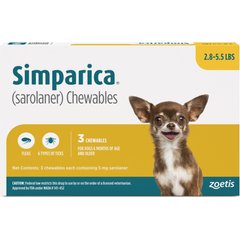
- An oral preventive, like Simparica
Recommended Product
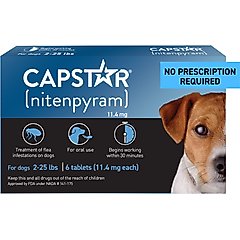
- An oral medication for infestation, like Capstar (only lasts 24 hours)
Recommended Product
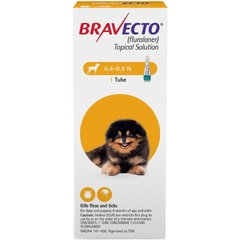
- A topical preventive, like Bravecto
Recommended Product
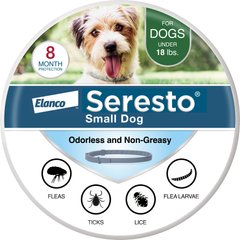
- A flea and tick collar, like Seresto (lasts eight months)
Recommended Product
Antihistamines
Your veterinarian may recommend over-the-counter antihistamines for mild seasonal allergies.
These medications are FDA-approved for humans but may be prescribed for dogs under veterinary supervision. This is called extra-label use, or sometimes off-label use, because this use isn’t described on the drug label.
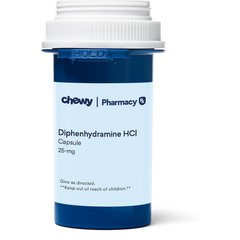
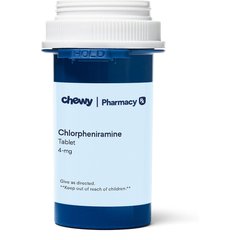
OTC antihistamines commonly recommended by vets include:
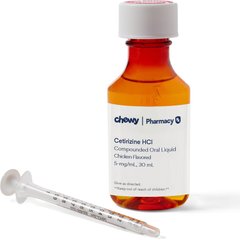
- Cetirizine (Zyrtec)
Recommended Product
Recommended Product
Recommended Product
Recommended Product
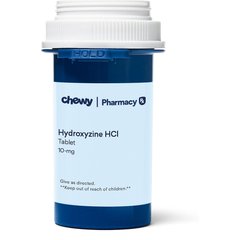
Never give a human medication to your pet unless under the specific guidance or direction of your veterinarian.
Combination of Therapies
It often takes time and patience to figure out what works best for your dog to successfully manage their allergies.
To provide comfort and relief for your dog and to stay ahead of skin and ear infections, your vet will determine the right combination of therapies for your dog.
Depending on the severity of your dog’s condition, your vet may choose two or more of these therapies, which work in different ways, including:
- Blocking itch receptors with prescription medication (oral or injection)
- Blocking inflammation triggered by allergies with prescription oral medication
- Reducing allergen exposure, decreasing infections, soothing the skin through topical treatments
- Preventing flea exposure
- Supporting sensitive skin and a stronger skin barrier with therapeutic diet
- Supporting healthy skin with omega fatty acid supplements
Treat the Environment To Reduce Allergens
If you have a dog with allergies, then you also need to think about treating the environment your dog lives in, especially if your dog suffers from flea allergies or atopy.
Stay on Top of Flea Control
If your dog has a flea allergy, then the bite of just one flea can trigger intense itching. To help eliminate fleas and reduce flare-ups:
- Use species-specific flea control on all dogs and cats in the household year-round to keep flea allergies under control.
- Wash all the bedding in your home, along with beds, blankets, and toys, using hot, soapy water.
- Vacuum all carpeting and upholstery thoroughly, and immediately dispose of the contents.
- Ask your vet about pet-safe home flea treatments for furniture and carpets.
Limit Exposure to Environmental Allergens
If your dog is prone to seasonal allergies, these simple steps may help reduce allergens:
- Bathe your dog regularly to remove allergens from their fur. Speak with your vet about the best shampoo for your dog and how often to bathe them.
- Check your HVAC filter monthly and change or clean the filter as needed.
- Cover bedding with an allergen barrier.
- Wash pet bedding once a week during allergy season with a gentle, hypoallergenic laundry detergent.
- Vacuum your home often to remove dust, mites, pollen, and dander.
- Plug in some air purifiers.
Recommended Product

FAQs About Allergy Medicine for Dogs
What human allergy medicine is safe for dogs?
Some over-the-counter antihistamines made for humans can sometimes be used off-label to help dogs with mild allergy symptoms like atopy, but they are not considered effective. Human antihistamines have the potential for side effects and may interact with other medications that your dog receives.
Always consult with your vet to determine which allergy treatment will be safe and effective for your pet, based on their allergy type, severity of symptoms, and overall health.
Can you give a dog Benadryl for allergies?
Yes, in some cases, your veterinarian may recommend Benadryl for your dog. However, it is only effective to treat allergies in approximately 7% of cases.
If your dog is itchy, talk to your vet about the options.
Is Zyrtec or Benadryl better for dogs?
Some dogs may respond positively to Zyrtec, while others will have better results with Benadryl.
Because results are variable and unpredictable, your veterinarian may advise you to try several antihistamines (testing one brand at a time) to determine the best choice for your dog. In many cases, antihistamines are more effective when used in combination with other therapies, rather than relying on the antihistamine alone.
How much Zyrtec can I give my dog?
Never give OTC human medication unless directed to do so by your veterinarian. If your dog is itchy or showing signs of allergies, please reach out to your vet to discuss the right medication for your pet.
Attributions