Itchy Dog: Causes and How to Provide Relief
Sponsored by



Photo by Olga Yastremska / iStock / Getty Images Plus
The constant scratching, the midnight licking, and the urge to chew their paws are telltale signs that your dog is itchy. For many dogs, itchy skin comes from allergies to the environment (atopic dermatitis), flea allergic dermatitis, or a food allergy. It’s crucial to identify the underlying cause to help your itchy dog be more comfortable.
Managing itchiness in dogs ranges from feeding a veterinary diet, like Royal Canin Dermatology diets, to using medical shampoo and even oral medications. Often, a combination of these things works best. Working with your veterinary team and routine home care can help your dog be less itchy.
Key Takeaways
- Itchy skin in dogs is mostly caused by allergies and skin parasites.
- Persistent itch for more than a week, evidence of skin disease, skin infections, or changes to your dog’s behavior warrant the need for a veterinary visit.
- Since there are many different reasons for itchy skin in dogs, your vet will need to take a step-by-step approach to diagnosing their cause of itch.
- Providing your dog itch relief often involves a multimodal approach using topical therapy, special diets, and medications together.
Why Is My Dog Itching So Much?
If your dog seems to be scratching, chewing, and licking their skin like it is their full-time job, it becomes necessary to investigate why they are so itchy. Persistent itchiness, otherwise called pruritus, is one of the most common reasons dogs see their veterinarian and many different underlying causes can be diagnosed.
- Skin parasites such as fleas, ticks, and mites are commonly associated with itchy skin in dogs.
- Fleas: Flea infestations and flea allergies are one of the most common causes of itchy skin in dogs. An allergy to the protein in flea saliva can cause dogs to have severe reactions to just a single flea bite.
- Mites: Mange mites, such as Demodex, are common parasites that cause dog scratching. Usually affecting young pups and older immune compromised dogs, mites burrow into the skin causing an intense itch.
- Environmental Allergies: Otherwise known as atopic dermatitis or atopy, these are allergies to things in the environment such as pollen, dust, dander, and grass. Environmental allergies can be year-round or seasonal.
- Food Allergies or Adverse Food Reactions: While not as common as atopic dermatitis, a true food allergy causes dogs to have itchy skin.
- Contact dermatitis: Coming in contact with skin irritants like certain plants, shampoos, fertilizers, and floor cleansers can cause itchy skin in dogs.
- Skin Infections: There is a normal amount of bacteria and yeast on a dog’s skin, and under certain conditions these microbes overpopulate and cause itchy skin infections. Signs of skin infections may include areas of redness, hair loss, scabs, and/or red bumps.
At-Home Remedies for Mild Itching
Mild cases with no changes to the skin or coat can be helped at home with some simple dog itching remedies.
Check your dog carefully for fleas or signs of fleas, such as flea dirt, by using a flea comb. If you notice your dog has fleas, give them a bath and a dose of flea prevention if they are overdue.
Using fragrance-free, gentle oatmeal or aloe-based shampoo specifically made for dogs can help a mild itch at home. Lather the shampoo and let it sit for a few minutes before rinsing for maximal effects.
Ultimately, most causes of itchy skin do require a trip to your vet’s office for a physical exam and some basic skin testing.
When to Call the Vet
Contact your veterinarian if you notice the following signs or patterns with your dog’s itchy skin:
- Scratching that persists for more than a week
- Open sores, hair loss, or raw skin
- Signs of infection (odor, discharge, swelling)
- Behavior changes or sleep disturbance
Your veterinarian can diagnose the cause and recommend targeted treatments.
How Vets Diagnose the Cause of Itching
Because there are many different reasons for itchy skin in dogs—such as allergies, skin parasites, and skin infections—your vet will need to take a step-by-step approach to diagnosing their cause of itch.
- Detailed history: Your vet team will ask about your dog’s medical and diet history as well as their lifestyle to help isolate a cause of itchy skin. The amount of time your pet spends outside, and in what types of environments, are important as well as any history of a change in environment (ex: moving across country).
- Physical exam: A thorough nose-to-tail physical exam will be performed by your veterinarian to look for any signs of skin disease, skin parasites, or other abnormalities that might lead to an itchy dog. The pattern and location of your dog’s itchiness or skin lesions can help your vet narrow down possible underlying causes.
- Cytology: Next, your vet will likely take some samples from the surface of the skin and look at these under a microscope to determine if there is excess bacteria, yeast, or skin mites.
- Skin culture: If needed, bacteria and fungus can be classified with a culture for more specific treatment recommendations.
- Investigating allergies: If infections and parasites are ruled out, or successfully treated and your dog’s itchy skin persists, allergies are often next to be investigated, such as starting an elimination diet trial or hypoallergenic diet.
- Additional diagnostics: Skin biopsies, blood work, urinalysis, and fecal testing are done in cases where itchy skin is not responsive to common therapies.
- Referral to dermatologist: A veterinary dermatologist is an excellent resource for dogs with itchy skin, especially when dermal allergy testing is needed to determine specific allergies and to start immunotherapy.
How To Help Your Itchy Dog
Very few things are more frustrating for both dogs and pet parents than persistent scratching and chewing on itchy skin. After your vet helps to determine the underlying cause of your dog’s itchy skin, the healing process can begin.
Infection Care
The first step to treating itchy skin in dogs is to manage the secondary skin infections. When a dog has itchy skin, they scratch and lick a lot. This can cause the normal amount of bacteria and yeast on the skin to overpopulate, leading to an infection that makes itching even worse.
Oral and topical antibiotics and antifungal medications, such cephalexin, Animax, and ketoconazole, can be prescribed by your veterinarian.
Medicated shampoos, wipes, mousse, and sprays are also helpful to control the excess bacteria and yeast on the skin.
Once you get a skin infection under control (or at the same time), your vet can address the underlying cause of the itchy skin to help prevent it from coming back again.
Environmental Allergies Relief
Environmental allergies cause an intense itch in dogs and is rarely controlled with just one therapy. A multimodal treatment plan is best to help resolve their symptoms, and may include a combination of the following:
- Topical treatments, such as medicated shampoos and wipes as mentioned above.
- Anti-itch medications, which treat itching and inflammation in dogs by blocking itch signals from reaching your dog’s brain. These include oral medications like Apoquel and Zenrelia as well as Cytopoint
- Immunotherapy aka allergy shots, which are made specifically for your dog after they undergo dermal skin testing with a veterinary dermatologist to determine their exact allergy triggers. Unfortunately, saliva and blood tests for allergies are not reliable.
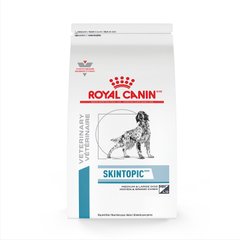
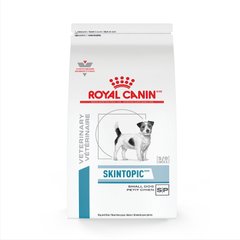
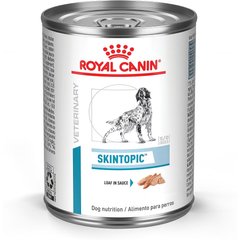
- Therapeutic diets, such as Royal Canin Skintopic dog food, which is clinically proven to improve quality of life by managing itchiness in dogs with skin sensitivities. Its Dermauxilium Complex supports the natural skin barrier, helping to prevent allergy flare-ups. The formula also includes antioxidants and omega-3 fatty acids for anti-inflammatory support, plus a blend of minerals, biotin, and vitamins A and E to support healthy skin and coat.
Sponsored
Recommended Products
Parasite Control
With flea allergies being one of the most common causes of itchy skin in dogs, strict and routine parasite control is crucial. Preventing fleas, ticks, and mites from causing your dog to be itchy is as simple as a monthly pill or topical treatment. Talk to your veterinarian about the best option for parasite control for your dog to prevent itchy skin.
Food Allergies Relief
To help determine if your pet has a food allergy, your vet will recommend an elimination diet trial, which requires a dog to eat a hypoallergenic diet for at least eight to 12 weeks.
Hypoallergenic diet options include:
- Novel protein diets, such as Royal Canin Veterinary Diet Selected Protein PD, which are formulated with new protein sources, like duck or rabbit, that your dog hasn’t eaten before
- Hydrolyzed diets, such as Royal Canin Veterinary Diet Hydrolyzed Protein HP and Royal Canin Veterinary Diet Ultamino, which contain proteins that have been broken down to prevent triggering a dog’s immune system
If your dog has relief of their itch after changing to a novel or hydrolyzed protein diet, it is likely they suffer from food allergies. Having food allergies means that your dog needs to stay on this special diet to help minimize flares in the future.
Itchy Dog FAQs
What is the most common cause of itching in dogs?
The two most common causes of itchy skin in dogs are skin parasites and allergies. Fleas (and flea allergies) are the most common skin parasite in dogs with itchy skin. Environmental allergies and, less commonly, food allergies cause itchy skin in dogs as well.
What can you give a dog for itching?
There are many options to help provide relief for your itchy dog. In most dogs one method alone will not be helpful so work with your vet on a multistep approach. This may include a special diet, oral medications, and/or topical remedies like medicated shampoo. Flea and tick prevention is essential for all itchy dogs, no matter the underlying cause.
Why is my dog itching but doesn’t have fleas?
If your dog is itchy and they do not have fleas, then they might be suffering from allergies. Environmental allergies and, less commonly, food allergies can cause itchy skin in dogs. Talk to your vet about the appropriate management plan to stop dog scratching when your dog does not have fleas.
Attributions
References
Olivry T, DeBoer DJ, Favrot C, et al. Treatment of canine atopic dermatitis: 2015 updated guidelines from the International Task Force on Canine Atopic Dermatitis. BMC Vet Res. 2015;11:210. doi: 10.1186/s12917-015-0514-6.