Meet the 3 Types of Poodles and Learn Which Is Best for You


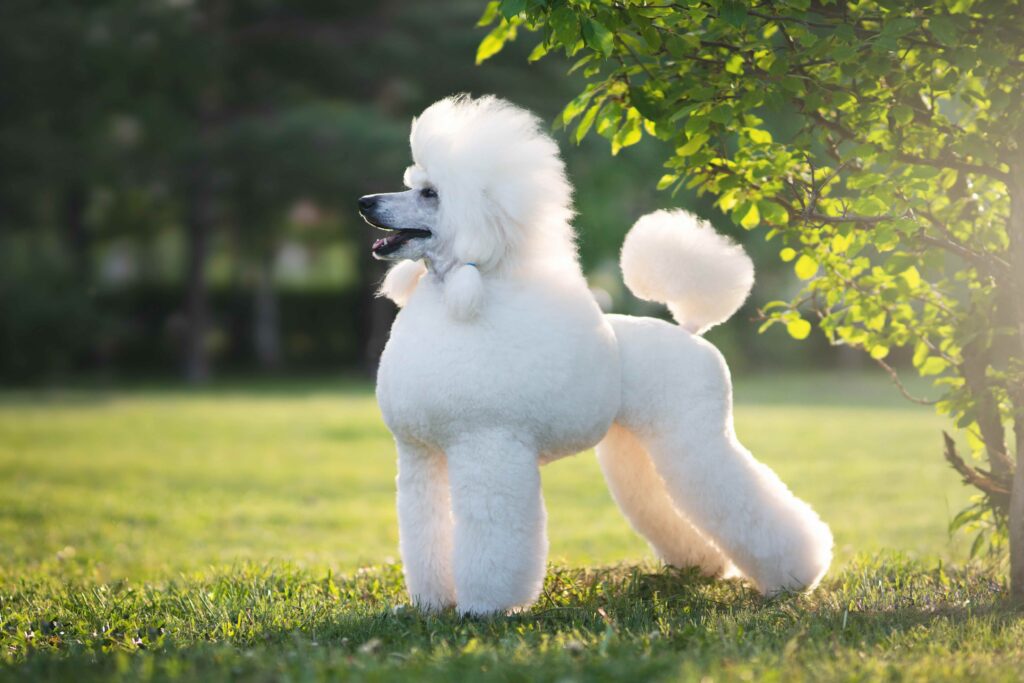
Photo by Anmfoto/iStock / Getty Images PLus via Getty Images
There are three types of Poodles: Standard, Miniature, and Toy. Each has their own unique traits, most notably their size. One thing they do have in common? All Poodle breeds are super smart and have big, lovable personalities.
Key Takeaways
- There are three types of Poodles: Standard, Miniature, and Toy Poodles.
- Standard Poodles are the largest and were originally bred as hunting dogs.
- Miniature and Toy Poodles were developed as smaller companion dogs.
- All Poodle sizes are highly intelligent, active, and affectionate dogs.
What Are the Different Poodle Sizes?
A Standard Poodle is the largest of the three Poodle sizes, weighing 40–70 pounds and measuring at least 15 inches tall. Miniature Poodles are 10–15 pounds and 10–15 inches tall. Toy Poodles are the smallest, weighing just 4–6 pounds and standing under 10 inches tall.
Standard Poodle
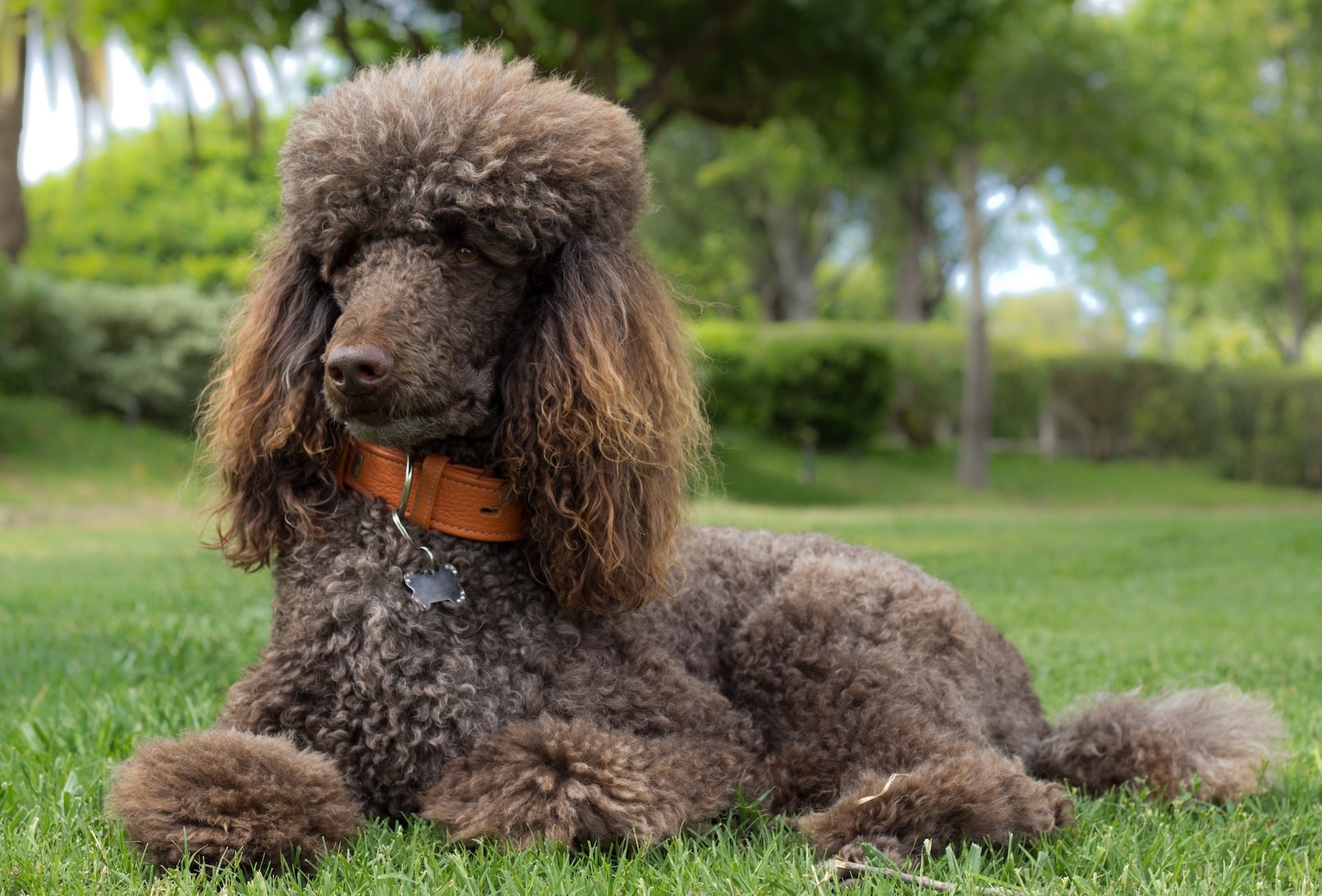
Photo by TopDigiPro/iStock/Getty Images via Getty Images Plus
- Size: Medium
- Lifespan: 10–18 years
- Temperament: Sporty, smarty pants, jack of all trades
Standard Poodles were originally bred as hunting dogs in Germany and other parts of Europe, says Susan Burge, second vice president of The Poodle Club of America.
In addition to that intended role, however, Poodles’ adorable personality and appearance began to shine, and they grew in popularity in France as well. Breeders then attempted to create a smaller version that could fit on the laps of those who love them. That’s why we have Miniature and Toy Poodles today.
Standard Poodles are still great at hunting and make loving family dogs, regardless of whether you have lots of kids. With their confidence, smarts, and good looks, they’re one of the most popular dog breeds in the U.S.
Like all Poodle sizes, Standard Poodle parents need to invest both time and money in grooming their dog. This breed needs regular appointments with a professional groomer to keep their curly coat in check, plus daily at-home care with a slicker brush.
Recommended Product

Standard Poodles are more susceptible to elbow and hip dysplasia than smaller Poodles, Burge says. (This is a common condition in large dog breeds—not specific to Poodles—but it is something to watch for.) Talk to a vet about prevention methods like genetic screening, joint supplements, and exercises to avoid.
Miniature Poodle
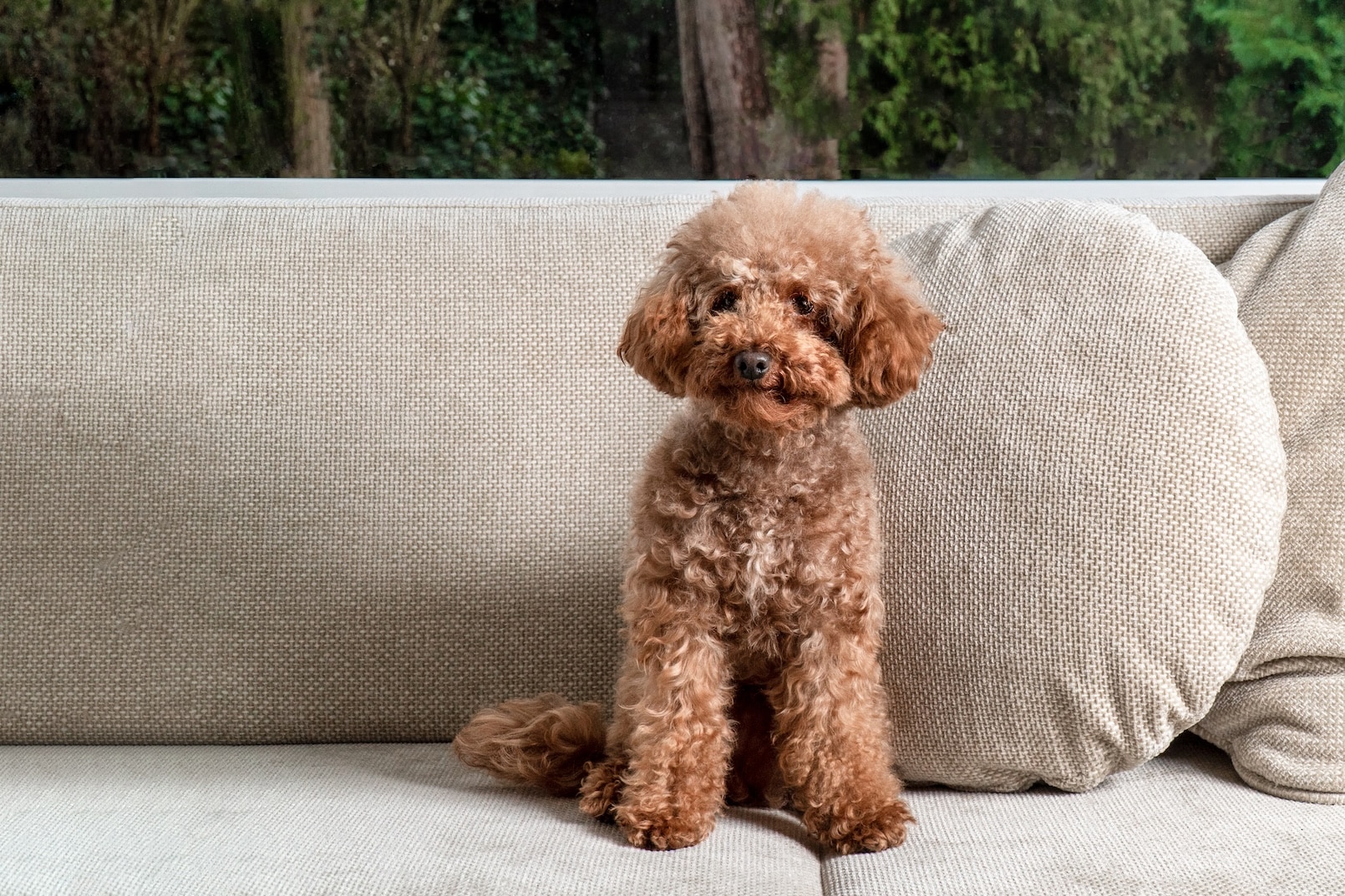
Photo by Alessandra Finding/iStock/Getty Images via Getty Images Plus
- Size: Small
- Lifespan: 10–18 years
- Temperament: Smarty pants, adaptable, joyful
“Most people don’t realize that Miniature Poodles are actually the most active of the three varieties, both mentally and can be physically as well,” says former vet tech Dawn Strumbel, Miniature Poodle breeder and owner of Horizon Poodles in Duluth, Minnesota. “They’re loyal sometimes to a fault, and they absolutely love their people.”
Strumbel also emphasizes the versatility of Miniature Poodles. Their more compact size allows them to fit in smaller homes and apartments, but because of their Poodle personality, they’d also get along great in a home with a big yard or a farm, with lots of jobs to do and smells to sniff.
Miniature Poodles can be homebodies, Strumbel says, but they also excel at dog sports like Fast CAT, obedience, rally, hunting, herding, and even service and therapy work. So, if you’re looking for an adaptable dog who doesn’t shed much, this might be the pup for you.
Toy Poodle
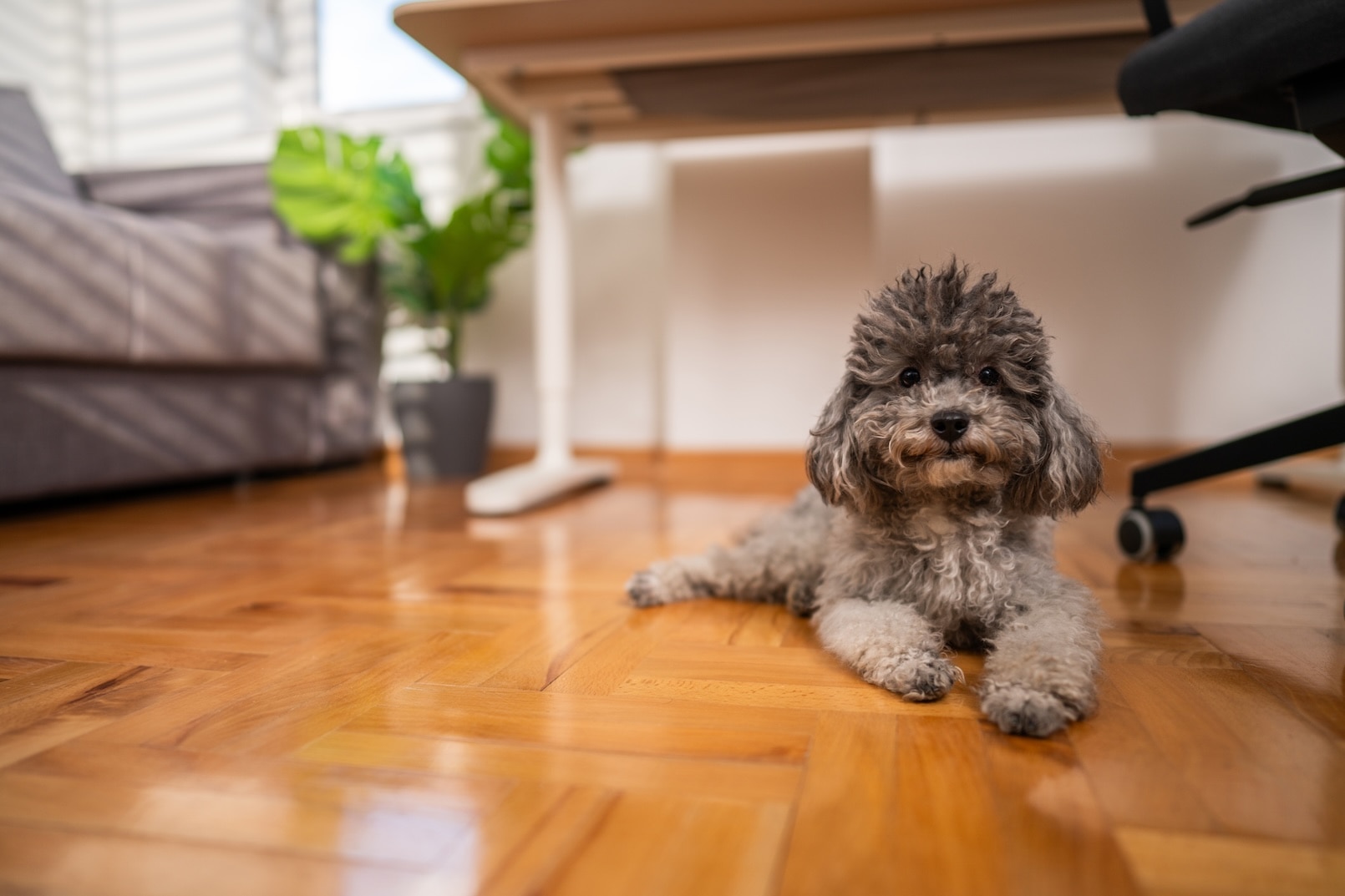
Photo by freemixer/iStock/Getty Images via Getty Images
- Size: Extra Small
- Lifespan: 10–18 years
- Temperament: Social Butterfly, Intuitive, Eager
Toy Poodles are the smallest Poodle size recognized by the American Kennel Club (AKC). Standing at just under 10 inches tall and weighing less than a newborn baby, Toy Poodles make great pets for people who want a pint-size cuddle buddy for the couch.
Despite their small size, they still need exercise and playtime—but nothing too rough. Their extra-small frame is more susceptible to injury than larger Poodles if they get dropped, knocked over, or fall from a height. Make sure all kids at home know how to responsibly interact with dogs.
Toy Poodles (and Miniature Poodles) can be prone to eye diseases like progressive retinal atrophy (PRA), and they can get tear stains on their faces if they’re not wiped regularly. It’s wise to invest in some tear stain remover and fine tooth comb to clean your Toy Poodle’s face.
Recommended Products
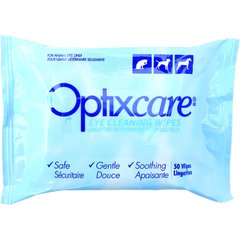
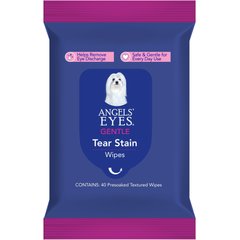

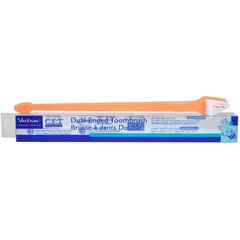
They’re also the type of Poodle most at risk for dental disease, because their tiny mouth and crowded teeth make it easy for plaque and tartar to build up. Pet parents should brush their dog’s teeth every day with a dog-safe toothpaste and toothbrush to prevent this and have their dogs teeth professionally cleaned by their vet.
Recommended Products

What Are Teacup Poodles?
While you may have heard the term “Teacup Poodle” before, they are not a recognized Poodle size. In fact, no teacup dogs are.
That’s because teacup dogs are generally bred to be as small as possible, which means the dog’s well-being is often not considered. This kind of poor breeding can cause major health issues in the dogs and often takes place in illegal puppy mills.
To ensure you’re getting a healthy puppy from a reputable breeder or rescue, research the source thoroughly—and never buy a teacup dog of any breed. You can find reputable Poodle breeders via The Poodle Club of America’s National Breeder Referral list, or check your local Poodle Club of America affiliate for options in your area.
| Type of Poodle | Size | Lifespan | Exercise Needs | Grooming Needs | Health Considerations |
|---|---|---|---|---|---|
| Standard | Medium | 10–18 years | Daily walk, daily playtime, dog sports (optional), hiking or running (optional) | Professional grooming every 6–8 weeks; daily at-home care | Bloat, Addison’s disease, progressive retinal atrophy, Von Willebrand disease, hip and elbow dysplasia, sebaceous adenitis |
| Miniature | Small | 10–18 years | Daily walks and playtime; dog sports (optional) | Professional grooming every 4–6 weeks; daily at-home care | Progressive retinal atrophy, patellar luxation, hip and elbow dysplasia, Legg-Calve-Perthes disease |
| Toy | Extra Small | 10–18 years | Daily walk, daily playtime, dog sports (optional) | Professional grooming every 4–6 weeks; daily at-home care | Progressive retinal atrophy, patellar luxation, dental disease |
No matter which Poodle size you choose, these dogs are known for being smart, affectionate, and highly trainable. With proper grooming, exercise, and attention, Standard, Miniature, and Toy Poodles can all make superb companions.
Attributions
This article was contributed to by Wendy Rose Gould and Leah Lopez Cardenas.