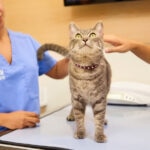
Dehydration in Cats: Signs and How To Help a Dehydrated Cat

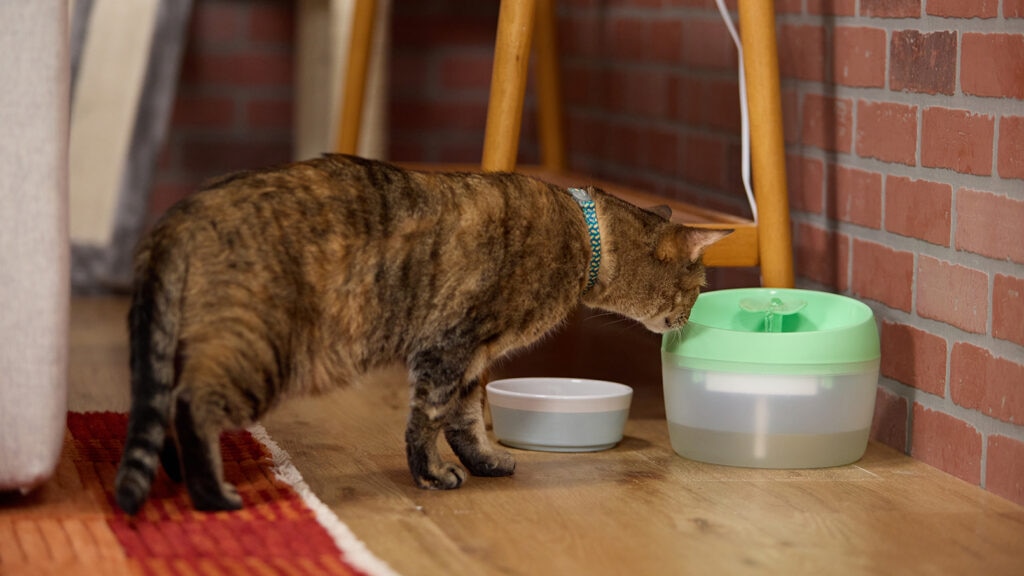
Photo by Chewy
Dehydration in cats happens when your cat loses more fluid than they take in—and it can shift from mild to serious faster than many pet parents expect.
Early on, a dehydrated cat may show only a few quiet signs, so knowing what to look for can help you catch it sooner.
Key Takeaways
- Dehydration in cats happens when a cat loses more fluid than they take in, and it can become serious quickly.
- Common signs of a dehydrated cat include low energy, dry or tacky gums, reduced appetite, and sunken eyes.
- Encourage drinking with fresh water stations and wet food, but contact your vet if signs are moderate to severe or your cat can’t keep water down.
- Vomiting, diarrhea, heat exposure, and kidney disease are common dehydration triggers—treat the underlying cause to prevent it from coming back.
What Is Dehydration in Cats?
Dehydration in cats occurs when the body loses more fluid than it takes in, upsetting the balance of water and electrolytes that keeps organs working properly. Even mild dehydration puts strain on the kidneys and cardiovascular system.
Cats are more prone to low water intake as their ancestors were desert-dwelling animals that obtained most of their moisture from prey. As a result, domestic cats often have a weak thirst drive and may not seek out much water on their own, especially if they eat primarily dry food.
How Much Water Should a Cat Drink a Day?
A healthy adult cat needs roughly 4 ounces of water per 5 pounds of body weight each day. A 10-pound cat, for example, needs about 8 ounces daily.
A few factors affect how much every individual cat needs:
- Diet: Cats on dry food need to drink significantly more than those eating wet food, which already contains 70–80% moisture.
- Life stage and health: Kittens, nursing mothers, and senior cats tend to need more fluids. Cats with kidney disease, diabetes, hyperthyroidism, or other health conditions often have higher daily water requirements.
- Heat and activity: Warm weather and active days both increase fluid needs.
What Are the Signs of a Dehydrated Cat?
Signs of dehydration in cats range from lethargy to labored breathing, and can be easy to miss in early stages. These signs become more obvious as fluid loss increases.
Here are the signs of a dehydrated cat, by severity:
Mild
- Slightly low energy
- Dry or slightly tacky gums
- Mild decrease in appetite
- Darker urine
Moderate
- Noticeably reduced appetite
- Sunken or dull eyes
- Constipation
- Less frequent urination
Emergency (see your vet immediately)
- Collapse or extreme weakness
- Unable to stand or walk
- Pale or white gums
- Rapid or labored breathing
- No urination
Two quick checks you can do at home include:
- Gum check: Gently lift your cat’s lip and press a finger against their gums. Healthy gums should feel moist and look shiny. Dry or sticky gums are a red flag.
- Skin tent test: Gently pinch the skin between your cat’s shoulder blades, lift slightly, then release. In a well-hydrated cat, the skin should snap back immediately. If it returns slowly or stays tented, your cat may be dehydrated.
Keep in mind that the skin test is not reliable in kittens or senior cats, as their skin naturally has less elasticity. Also use caution with both the gum and skin checks because not all cats will tolerate handling. If your cat is resistant, skip it and call your vet instead.
What Causes Dehydration in Cats?
Several factors can lead to dehydration in a cat. Common causes include:
- Vomiting or diarrhea, which causes rapid fluid loss
- Not drinking enough water, especially on a dry food diet
- Hot weather or overheating
- Stress or anxiety, which can reduce eating and drinking
- Underlying illnesses, which cause excessive urination
It’s worth knowing that dehydration is often a symptom of another problem rather than the problem itself. If your cat keeps getting dehydrated, a veterinary visit can help identify and treat the underlying cause.
When To See a Veterinarian About a Dehydrated Cat
If your cat is showing any of the following signs, contact your veterinarian the same day for guidance:
- Episodes of mild vomiting or diarrhea, but your cat is otherwise alert and drinking some
- Decreased appetite lasting more than 24 hours
- Mild signs of dehydration that have not improved with access to fresh water
- Your cat has a known condition like kidney disease, and you notice dehydration signs
- Decreased urination lasting more than 24 hours
These signs may indicate a medical emergency and require immediate veterinary care:
- Collapse, severe weakness, or your cat cannot stand
- Persistent vomiting or diarrhea (more than two or three episodes)
- Pale, white, or very dry gums
- Your cat has not eaten or drunk anything in 24 hours
- Rapid or labored breathing
- No production of urine in 24 hours or more
How To Help a Dehydrated Cat at Home
Home steps are appropriate only for mild dehydration or while you are waiting for a veterinary appointment. If your cat is vomiting, severely lethargic, or cannot keep fluids down, skip home care and go straight to the vet.
- Offer small amounts of water frequently. About 1 tablespoon every few hours is a good starting point. Drinking large amounts at once can cause vomiting.
- Add a second or third water bowl in different rooms so fresh water is always easy to find.
Recommended Product
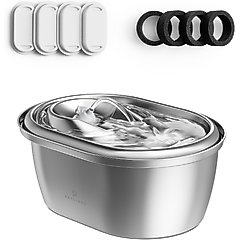
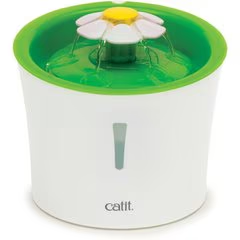
- Try a cat water fountain. Many cats are more drawn to moving water and will drink more consistently from a fountain. You could even turn on a faucet to see if it piques your cat’s interest and desire to drink!
Recommended Product
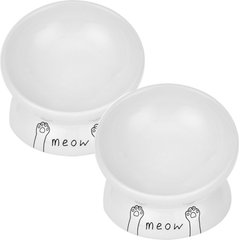
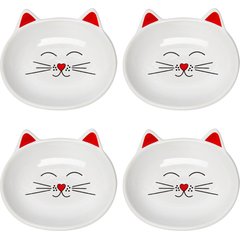
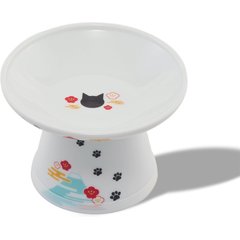
- Use wide, shallow bowls to avoid whisker fatigue (the overstimulation of highly sensitive whiskers), which can make cats reluctant to approach a bowl.
Recommended Product

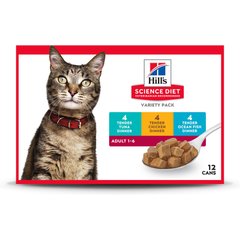
- Offer wet food or mix a small amount of low-sodium, plain chicken, or tuna broth (no onion or garlic) into food to boost fluid intake.
Recommended Product
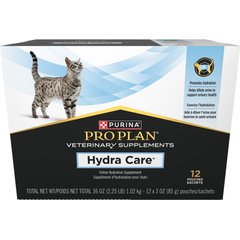
- Ask your vet about a flavored liquid supplement that can help increase total liquid intake and help promote hydration.
Recommended Product
- Keep water fresh and bowls clean daily. Cats are sensitive to stale or contaminated water.
How Veterinarians Treat Dehydration in Cats
When dehydration is moderate to severe, your veterinarian will typically:
- Perform a full physical exam and take a history to assess the degree of dehydration
- Run blood work and urinalysis to check for underlying issues, such as kidney disease, infection, diabetes, or electrolyte imbalances
- Perform radiographs (X-rays) to diagnose any gastrointestinal issues
- Administer subcutaneous (under-the-skin) fluids for mild to moderate dehydration, which can often be done as an outpatient procedure
- Provide intravenous (IV) fluids and hospitalization for severe dehydration
- Prescribe anti-nausea medication when needed to help your cat keep fluids down
- Treat the cause, whether that is a gastrointestinal issue, kidney disease, diabetes, infection, or another condition
How To Prevent Dehydration in Cats
Helping your cat stay hydrated comes down to a few simple daily habits that encourage consistent water intake:
- Add wet food to your cat’s diet or transition fully to wet to increase daily moisture intake.
Recommended Product
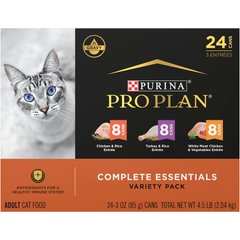
- Consider adding a cat food topper, which can entice cats to eat more of their food. Most toppers are not nutritionally balanced, though, and should only be used in addition to a complete and balanced cat food diet.
Recommended Product

- Place multiple water bowls in quiet, low-traffic spots around the house.
Recommended Product
- Routinely use a flavored liquid supplement—with your vet’s approval—to help promote healthy hydration habits.
Recommended Product
- Use a cat water fountain to appeal to cats who prefer moving water.
Recommended Product
- Clean water bowls daily and change the water regularly.
- Choose wide, shallow bowls to help reduce whisker stress.
Recommended Product
- Schedule regular vet checkups, especially for senior cats or those with chronic illness, to catch conditions that raise dehydration risk early.
FAQs About Dehydration in Cats
How do you rehydrate a cat?
For mild dehydration, offer small, frequent sips of water, about 1 tablespoon at a time every few hours, or add wet food. A vet may administer subcutaneous or IV fluids to rehydrate your cat safely and address the underlying cause.
Can a cat recover from dehydration?
Yes, cats can fully recover from dehydration when it’s caught and treated promptly. Mild cases often resolve with increased water intake and wet food. More severe cases require veterinary treatment, and the sooner treatment begins, the better the outcome.
Can wet food help prevent dehydration in cats?
Yes. Wet food typically contains 70–80% water, which significantly increases a cat’s daily fluid intake compared to a dry food diet alone. For cats who don’t tend to drink much water or who have conditions like kidney disease that raise their dehydration risk, wet food is one of the most effective tools to support hydration.
When is dehydration in cats an emergency?
Dehydration becomes an emergency when your cat collapses, cannot stand, has pale or white gums, is breathing rapidly, or has not eaten or drunk anything in 24 hours. Persistent vomiting or diarrhea or lack of urination also warrants an immediate ER visit. When in doubt, call your vet.
Attributions