Senior Cat Diarrhea: Causes, Symptoms, and Treatment


Photo by Natasha Zakharova/iStock/Getty Images Plus
Diarrhea in a senior cat can be due to eating too much food, food they’re not used to, or inappropriate food, as well as stress—but it’s often a sign of an underlying condition like an infection, parasite, or overactive thyroid.
Stress in cats can be triggered by a recent move, new pets in the house, grief at the the loss of a pet, and many other things. Make note of any recent changes or activity in your cat’s life—since knowing the cause of senior cat diarrhea is the first step to preventing any recurrence.
Learn about common causes, symptoms to look for when dealing with senior cat diarrhea, treatment options, and when to contact your vet.
Key Takeaways
- Senior cat diarrhea can be caused by a food change, stress, or a more serious underlying health condition.
- Symptoms to watch for include lethargy, fever, dehydration, and straining while pooping.
- Blood in your cat's stool is one of several symptoms that should prompt a call to your vet.
- At-home treatment may include changing or withholding food, depending on the circumstances.
- Ensure your cat is well hydrated when dealing with senior cat diarrhea.
Symptoms of Senior Cat Diarrhea
Frequent, urgent pooping of loose, watery stools are the classic signs of senior cat diarrhea. And a cat who has a bout of watery poop and then continues to strain is not suffering from constipation; it truly is diarrhea.
Other symptoms that often accompany senior cat diarrhea include:
- Fever
- Lethargy
- Malaise
- Loss of appetite
- Dehydration
- Straining to defecate
- Fecal staining on the perineum or tail
- Inflammation of the skin of the perineum
Check your indoor cat’s litter box if you suspect diarrhea.
If your cat goes outside, you’ll have to observe them go, or look for their poop after.
If your cat is producing loose, watery stools and it persists for more than a day, take a sample to your veterinarian.
When Is Senior Cat Diarrhea an Emergency?
It’s important to know the signs of an emergency.
Call your veterinarian immediately if your cat has diarrhea combined with any of these symptoms.
- Blood in the diarrhea or the poop is black or tarry
- You suspect your cat may have eaten something toxic or poisonous
- A fever
- Signs of depression
- Signs of dehydration
- Yellow or pale gums
- A complete loss of appetite
- Signs of pain or discomfort
- Vomiting
Senior cats, along with kittens and small-sized adult cats, are at special risk of becoming dehydrated from even a single episode of diarrhea.
Use these guidelines to determine if you need to rush to your veterinarian:
- If your cat seems OK after a single bout of diarrhea, it may be safe to simply monitor them. However, if you notice any lethargy, fever, or change in behavior, call your veterinarian for an appointment as soon as possible.
- If your cat seems fine but has recurrent episodes of diarrhea that do not seem to be resolving, call your veterinarian for a non-emergency appointment.
- If your cat is passing blood in their stools or if you notice any weakness or other signs of debilitation along with the diarrhea, contact your veterinarian immediately and have your cat seen as soon as possible. Red blood in the poop usually indicates a problem with the lower intestine/colon or rectum. Black blood in the poop usually indicates a more serious problem higher up in the digestive tract.
If you see no emergency signs, call your vet and ask about over-the-counter medications or options for at-home treatments for your cat. Because there are so many causes of diarrhea, the treatment will vary.
Important note: If anyone in your household also has diarrhea, take your cat to the vet and the person to the doctor right away. Some microscopic parasites (giardia and toxoplasmosis) can cross species boundaries and can be difficult to eliminate.
These parasites have the potential to become life-threatening to small children, elderly adults, and those with compromised health.
At-Home Treatment for Senior Cat Diarrhea
Depending on the cause of your older cat’s diarrhea, you may be able to help your pet with a simple change in diet or home remedy. Here are a few of the treatment options available to you when dealing with senior cat diarrhea.
Changing Food
If your older cat has a bout of diarrhea but seems fine and otherwise healthy, ask your veterinarian if you should withhold food (but not water) for 12 hours. After 12 hours of withholding food only, offer your cat a bland food. Some options are:
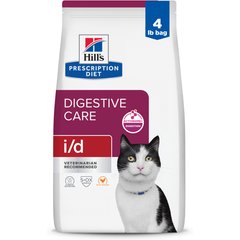
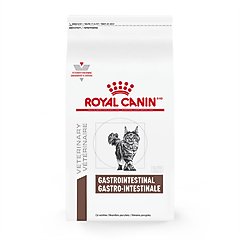
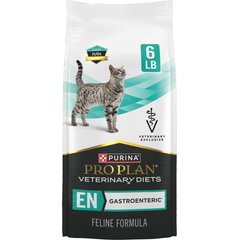
- Prescription gastrointestinal diet: While no single diet is ideal for every cat, some that are high in soluble and insoluble fiber, like Hill’s® i/d, Royal Canin® Gastrointestinal, or Purina® Pro Plan® EN Gastroenteric™, can help some cats with chronic diarrhea.
- Cooked, ground turkey
- Canned 100% pumpkin or fresh, cooked sweet potato: To safely prepare and feed turkey and pumpkin to your cat, mix together equal parts turkey and pumpkin and feed it to your cat in small amounts, upping the frequency until the diarrhea resolves. Do not add any oils or seasonings.
If the diarrhea does not resolve in the first two to three days on a bland diet, check in with your veterinarian again.
For some cases of diarrhea, it may be necessary to modify the diet permanently. Special foods may be given to avoid certain ingredients, add fiber to the diet and decrease the fat intake, or increase digestibility.
If your vet recommends switching your cat’s food, introduce it gradually, mixing it with the old brand in increasing amounts over days to ensure an easier transition for your pet’s GI tract.
Recommended Products
Natural Remedies
Chat with your veterinarian if you are looking for a natural remedy for your cat’s diarrhea. They can help you find a diet that makes sense based on your cat’s age and health, or refer you to a holistic veterinarian.
Avoid Dairy
Avoid giving your cat dairy foods, no matter how much he may seem to like them!
Almost all cats enjoy the taste of milk or yogurt, but some adult cats do not have a sufficient amount of lactase, the enzyme necessary for the digestion of dairy products.
Undigested lactose moves to the large intestine where it ferments—and can cause a cat to have gas or diarrhea.
Keep Your Cat Hydrated
In cases of diarrhea, your cat will need to drink more water by whatever means possible. Diarrhea causes fluid loss, and the electrolytes in those fluids are essential to help control important physiologic functions.
To detect dehydration, gently pinch the normally loose skin at the back of the neck. The skin snaps right back down in a properly hydrated cat. If the pinched skin flattens slowly or remains tented, the cat is dehydrated.
A dehydrated cat needs immediate veterinary care. If your veterinarian determines your senior cat is dehydrated, supplemental fluids may be given either via intravenous or subcutaneous route.
Drinking is no longer sufficient to make up for the dehydration because the liquids pass through the cat too rapidly to be properly absorbed.
Veterinary Treatment for Senior Cat Diarrhea
When you first consult your veterinarian about your elderly cat’s diarrhea, they will ask you a series of questions to determine the severity of the diarrhea:
- When did the diarrhea start?
- How many bowel movements has your cat had?
- What does the poop look like?
- Is your cat uncomfortable?
If your cat’s diarrhea continues for more than a day, or if you observe the following symptoms, it warrants a visit to the vet:
- Lethargy
- Vomiting
- Fever
- Dark-colored or bloody stools
- Straining to defecate
- Decreased appetite
- Unexplained weight loss
Your veterinarian will examine your senior cat for underlying illnesses, and most likely take a sample of poop to check for the presence of internal parasites, overgrowth of bacteria, or other fecal abnormalities.
Your vet may also conduct blood work to identify other possible causes of the diarrhea.
Other diagnostic tests that might be recommended include X-rays, ultrasound, cultures, endoscopy, and biopsy. The diagnostic tests performed and treatment recommended will depend on how long the diarrhea has been present and the severity of your cat’s condition.
When the cause of your elderly cat’s diarrhea has been determined, your vet will proceed accordingly.
Parasites
Cats who spend a lot of time outdoors may be at an increased risk for internal parasites.
If parasites are present, your veterinarian will prescribe the appropriate de-wormer and/or other medication needed.
Not all de-wormers kill every kind of parasite, so the exact type of parasite(s) must be identified, and the appropriate anti-parasitic medication(s) selected. In many cases, de-worming must be repeated one or more times over a few weeks or more.
Keep things clean to remove the worm eggs from the environment. Keeping your cat on year-round parasite prevention can keep several of the main worm species from infesting your cat.
Bacteria
If bacteria are causing the diarrhea, your veterinarian will prescribe the appropriate antibiotic(s).
Antibiotics may also be given if the intestine has been damaged (e.g., blood in the poop may indicate an injured intestine) and there is a chance that the injury could allow bacteria from the intestine into the bloodstream, possibly causing severe disease.
A motility drug, one that slows down how quickly food moves through the GI tract, may or may not be used. It could do more harm than good if the cause of the diarrhea is from a toxin or bacterial infection. That’s why it’s important to have an accurate diagnosis before using such a drug.
Inappropriate and Toxic Foods
Outdoor cats may have an increased risk of ingestion of inappropriate food, which could lead to diarrhea.
If your cat goes outside, check that your neighbors are not feeding them. Eating too much or eating food they are not used to can give a cat diarrhea. Poisonous plants are also a concern.
Treatment for cats who have eaten a toxic substance varies based on exactly what was eaten.
Sometimes there is a specific remedy available that will help counteract the toxin.
Other treatments may include decontamination (inducing vomiting or giving activated charcoal, for example) to prevent more toxin from being absorbed and supportive care.
Inflammatory Bowel Disease
Cats who frequently have hairballs may also experience periodic bouts of diarrhea, but this may indicate another problem, like inflammatory bowel disease, that needs to be investigated.
There are two aspects to treating a cat with inflammatory bowel disease.
- First, you need to find a food that doesn’t contain most (ideally all) of the cat’s inflammatory triggers. Prescription novel or hydrolyzed protein diets are usually best for this. A home-cooked diet prepared from a recipe designed by a veterinary nutritionist may be another option in some cases.
- If a diet change doesn’t sufficiently control the disease, a veterinarian will prescribe medications to suppress the immune system. Antibiotics may also be needed to control bacterial numbers in the gut.
Remember: Over-the-counter remedies like Pepto Bismol and Kaopectate can be dangerous to cats due to salicylate toxicity. These should not be used without veterinary approval! Always check with your veterinarian on the correct medication and dosage for the weight and age of your cat.
Gastrointestinal Lymphoma
For cats with lymphoma, the majority of cases develop within the intestines. Diarrhea, vomiting, and weight loss are common symptoms. A biopsy of the intestines collected via surgery or endoscopy will usually provide a diagnosis.
Treatment recommendations may include chemotherapy, steroids like prednisolone, and, in some cases, surgery. Survival time depends on how aggressive the cancer is.
Keep in mind that other health issues, like hyperthyroidism, can lead to diarrhea. Your veterinarian will have specific recommendations for your individual pet.
Although it happens, cats are not prone to diarrhea, so it’s important to pay attention when it does occur.
Just remember: Your cat cannot control the diarrhea. So please do not scold your cat for the accidents. They cannot help it and adding stress may only make their diarrhea worse.
FAQs About Senior Cat Diarrhea
What other symptoms should I look for if my senior cat has diarrhea?
If your senior cat is experiencing a bout of diarrhea, it’s important to consider any recent changes to their diet and activity that may have exposed them to other food and non-food sources, or other animals. Look for signs of pain, fever, depression, lethargy, malaise, loss of appetite, vomiting, yellow or pale gums, dehydration, straining when pooping, inflammation or discoloration of their perineum. Call your vet for guidance if your senior cat’s diarrhea is accompanies by any of these symptoms.
What should I feed my senior cat when they have diarrhea?
Consult your vet to ask if you should withhold food for 12 hours (but not water), and feed your cat bland food; options include cooked, ground turkey or canned pumpkin (not the pie mix, but rather, 100% pureed pumpkin with no other ingredients added), or freshly cooked, mashed sweet potato. You can mix the plain turkey with the canned pumpkin or mashed sweet potatoes and offer it to your senior cat in small quantities.
Attributions
Expert input provided by Jennifer Coates, DVM, a veterinarian consultant in Fort Collins, Colorado.
This content was medically reviewed by a veterinarian.