Cranberry for Cats: Potential Support for Feline UTIs


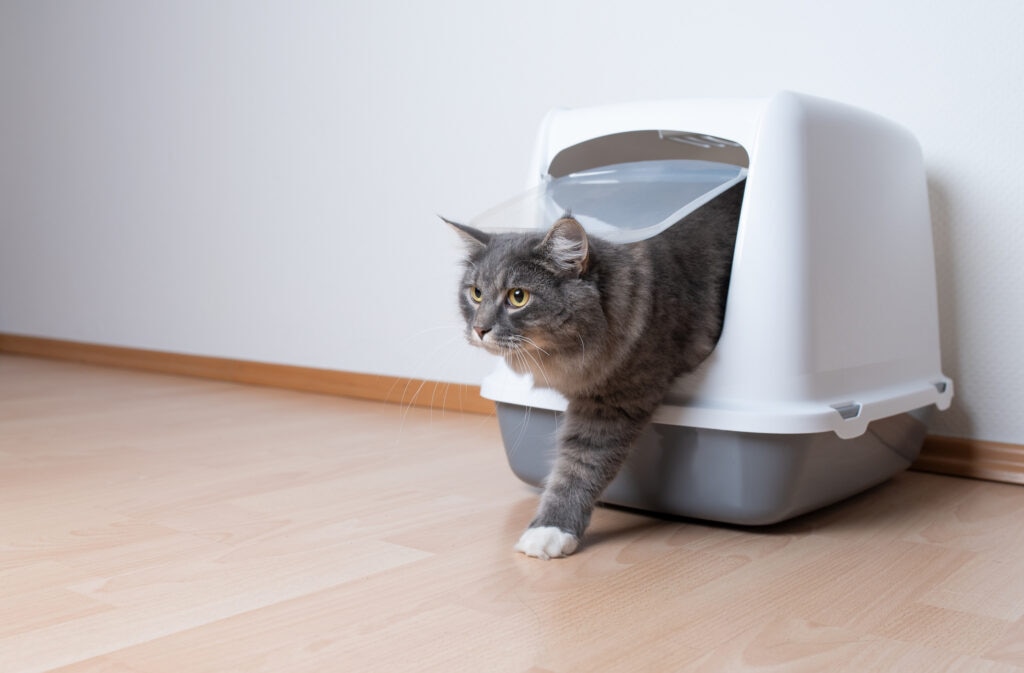
Photo by Nils Jacobi/iStock Getty Images Plus
Cranberry has been used to promote urinary tract health in people for many years. Cranberry contains compounds called proanthocyanidins, which can help prevent bacteria including E. coli from adhering to the walls of the urinary tract.
However, urinary tract infections (UTI) in cats are often caused by other things than bacteria, meaning cranberry wouldn’t help. If your cat is experiencing symptoms of a UTI, it’s best to work with your vet to design a treatment plan.
Here’s what pet parents should know before adding cranberry to a cat’s diet plan.
Key Takeaways
- Cranberry may help prevent UTIs in humans and dogs, but most UTI cases in cats are not caused by bacteria so cranberry wouldn’t help.
- Cats with urinary symptoms need to be seen by a veterinarian to diagnose the issue.
- If your cat is straining, making repeated trips to the litter box, crying out, or passing little or no urine, they may have a urinary blockage, which is an emergency.
- Cranberry may cause stomach upset in some pets, and supplement ingredients can vary, so ask your veterinarian before using it.
How Does Cranberry Work in Cats?
The proanthocyanidins in cranberry have been shown in human and canine studies to interfere with bacterial adhesion in the urinary tract. This reduces the risk of UTI and can help shorten symptom duration—at least in dogs and people. In cats, the most common cause of UTI is feline idiopathic cystitis, which would not respond to cranberry.
Veterinary guidance is critical if your cat has a history of urinary trouble or kidney concerns, or is on a prescription diet or other medications, because the right approach depends on the full picture.
If your cat has concerning urinary signs, don’t try to fix the issue on your own with cranberry—see your vet for an accurate diagnosis and treatment plan.
Recommended Products



What the Evidence Shows in Cats
Unfortunately, cat-specific evidence is limited. While research has shown that cranberry may reduce the risk of urinary tract infections in people, there have only been a few studies showing that cranberry also reduces E. coli adhesion in cats, and none that have studied cranberry as a first-line therapy for UTI or urinary health.
Despite this, if your cat has a UTI with confirmed E. coli infection, some vets may still recommend cranberry as part of a comprehensive treatment plan.
Potential Side Effects of Cranberry in Cats
Safety information in cats is limited, so a cautious approach is best. The main concern is stomach upset. If your cat vomits, refuses food, has diarrhea, seems uncomfortable, or has changes in behavior after starting any supplement, stop giving it and call your veterinarian.
Because products differ and supplement ingredients can vary, it is wise to ask your vet before adding cranberry, especially if your cat takes medication or other supplements.
How to Give Your Cat Cranberry
If your veterinarian thinks cranberry is a good idea, use a cat-specific product and follow the label and your vet’s instructions carefully. If your cat has urinary issues, schedule a veterinary appointment right away.
Don’t use cranberry as a substitute for a veterinary exam, urine testing, or prescribed care. Once your vet finds out what’s going on, you can ask whether cranberry would be an appropriate add-on.
If your cat is straining, making repeated trips to the litter box, passing little or no urine, or in pain, they may have a urinary blockage. Cats with a urinary blockage can worsen quickly, so treat it as an emergency rather than waiting to see if they improve on their own.
What to Do If Your Cat Takes Too Much Cranberry
If your cat gets into a cranberry supplement, call your veterinarian, an emergency hospital, or the Pet Poison Helpline (855-764-7661) for advice. Have the package handy so you can relay the exact ingredients and product details.
FAQs for Cranberry in Cats
Does cranberry help with urinary problems in cats?
There is no solid evidence that it provides reliable benefits in cats. Cats with urinary tract issues should see a veterinarian to sort out the cause.
Can I give cranberry if my cat is straining to pee?
No. Straining, frequent trips to the litter box, blood in the urine, or little to no urine production can point to a serious urinary problem, such as a urinary blockage. This is an emergency and requires immediate veterinary attention.
Is cranberry safe for every cat?
Not necessarily. Cats with a history of urinary issues or kidney concerns, or who are on a prescription diet or other medications, should only use cranberry if their veterinarian recommends it as part of their care plan.
Does cranberry replace prescribed urinary food or medicine?
No. It should never ever be used instead of a veterinary diagnosis or a prescribed care plan.
Attributions
This article was created with assistance from AI tools. The content has been reviewed for accuracy and edited by a human.
References
- National Institutes of Health. Accessed April 14, 2026. https://pubmed.ncbi.nlm.nih.gov/37068952/
- National Institutes of Health. Accessed April 14, 2026. https://pubmed.ncbi.nlm.nih.gov/38096261/
- Lower Urinary Tract Disease In Cats. Accessed April 14, 2026. https://www.merckvetmanual.com/urinary-system/noninfectious-diseases-of-the-urinary-system-in-small-animals/lower-urinary-tract-disease-in-cats
- Feline Lower Urinary Tract Disease. Accessed April 14, 2026. https://www.vet.cornell.edu/departments-centers-and-institutes/cornell-feline-health-center/health-information/feline-health-topics/feline-lower-urinary-tract-disease
- National Institutes of Health. Accessed April 14, 2026. https://pubmed.ncbi.nlm.nih.gov/19441868/