Can Cats Eat Ice Cream?



Photo by 101cats/E+
It’s hard to resist sharing a little something special with your cat, especially when you’re enjoying a sweet treat yourself. Those curious looks and hopeful sniffs can make it feel harmless to offer just a tiny taste.
But can cats have ice cream?
The short answer is no. Ice cream isn’t a healthy or safe treat for cats. And certain flavors—like chocolate—can even be toxic. If your cat eats chocolate ice cream or a large amount of any variety, contact a veterinarian right away.
Key Takeaways
- Cats should not eat ice cream, even in small amounts, because their digestive systems aren’t built for dairy or sugary treats.
- Most adult cats are lactose-intolerant, so ice cream can quickly lead to stomach upset.
- Chocolate ice cream is especially dangerous because chocolate is toxic to cats and is a medical emergency when ingested.
- Some sugar-free ice creams contain xylitol, a sweetener that can be toxic to cats.
- Cat-friendly treats are a much safer way to spoil your feline companion.
Can Cats Have Ice Cream?
No, cats should not eat ice cream. Even though cats and ice cream may seem like a cute pairing, ice cream contains ingredients that don’t belong in a healthy feline diet.
Even vanilla ice cream can upset your cat’s stomach because it contains dairy, sugar, and fat. Chocolate ice cream is more serious because chocolate is toxic to cats.
Some sugar-free ice creams may also contain artificial sweeteners that are unsafe for felines.
Why Is Ice Cream Bad for Cats?
Ice cream might be comforting for us, but it can be tough on a cat’s digestive system.
Here are some of the ingredients that can cause problems for cats:
- Lactose: Ice cream is made from milk and cream, and both contain lactose. Most adult cats don’t produce enough lactase, the enzyme needed to digest lactose. That means when they eat dairy, it can ferment in their gut and cause gas, bloating, vomiting, and diarrhea.
- High sugar content: Cats are obligate carnivores, so their bodies are built to process protein and fat, not sugary desserts. Ice cream contains large amounts of sugar, which can upset a cat’s digestive system and contribute to weight gain over time.
- High fat content: A sudden intake of fatty food like ice cream can cause digestive upset and even trigger pancreatitis, a serious inflammation of the pancreas.
- Chocolate: Chocolate is toxic to cats and even a small amount can lead to vomiting, diarrhea, elevated heart rate, tremors, or seizures.
- Xylitol: Xylitol is a sugar substitute found in some sugar-free desserts. In cats, it can cause a rapid drop in blood sugar, which may lead to weakness, vomiting, tremors, or seizures.
My Cat Ate Ice Cream—What Do I Do?
What you should do depends on the type of ice cream your cat ate. While some varieties may only cause mild digestive upset, others can be toxic and require emergency veterinary care.
If Your Cat Ate Vanilla Ice Cream
Plain vanilla ice cream that doesn’t contain xylitol is not considered toxic, but it can still cause digestive upset due to lactose, sugar, and fat.
Watch for:
- Vomiting
- Diarrhea
- Gas or bloating
- Lethargy
If your cat only had a small lick and is acting normally, monitor them closely. If symptoms develop, worsen, or last more than 24 hours, call your veterinarian.
If Your Cat Ate Chocolate Ice Cream
Ingesting chocolate ice cream can be a medical emergency for your cat, especially if they had more than a tiny taste.
Chocolate ice cream may cause:
- Vomiting or diarrhea
- Restlessness
- Rapid breathing or heart rate
- Tremors
- Seizures
Head to the veterinarian ASAP if your cat eats chocolate ice cream. You can call the Pet Poison Helpline (855-764-7661) on the way.
If Your Cat Ate Sugar-Free Ice Cream
Check the ingredient label right away. If the ice cream contains xylitol or other artificial sweeteners such as aspartame or sucralose, contact your veterinarian and Pet Poison Helpline right away.
How Do Vets Treat Xylitol or Chocolate Toxicity in Cats?
If your cat ate vanilla ice cream—or even a full-fat version of any non-chocolate ice cream—chances are you can monitor them at home, but call your vet to be sure, especially if they ate a large amount.
For chocolate or xylitol ingestion, emergency veterinary care may include:
- Inducing vomiting
- Activated charcoal to reduce toxin absorption
- IV fluids to prevent dehydration and support organ function
- Medications to control vomiting, tremors, or abnormal heart rhythms
- Hospital monitoring in more serious cases
Prompt treatment is essential in cases involving chocolate or xylitol.
How Can I Prevent My Cat From Eating Ice Cream?
Cats are naturally curious, especially when something smells rich and creamy. Setting a few boundaries can help keep them safe.
- Avoid sharing human desserts, even as a small treat.
- Don’t leave food on the counter or table unattended.
- Store ice cream containers tightly sealed in the freezer.
- Use trash cans with secure lids (and locks, if needed) so your cat can’t dig through leftovers.
Recommended Product

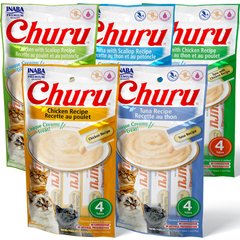
Ice Cream Treats for Cats
If you’re wishing there was ice cream for cats, you can try these fun options made just for them—no human food required.
Recommended Products



Want to keep the dessert theme going? Treat your cat to a fun ice cream-themed cat toy.
Recommended Products


FAQs About Cats and Ice Cream
Can cats have vanilla ice cream?
No. While vanilla ice cream isn’t toxic to cats, it can still cause digestive upset due to lactose and sugar.
Can cats eat chocolate ice cream?
No. Chocolate is toxic to cats and can cause serious symptoms. Contact your veterinarian immediately if your cat eats chocolate ice cream.
Is lactose-free ice cream safe for cats?
No. Lactose-free ice cream still contains sugar and fat, which aren’t appropriate for cats.
Is xylitol only in sugar-free ice cream?
Not necessarily. Xylitol is most commonly found in sugar-free varieties, but it may also be present in other products and is toxic to cats.
Attributions
This article was created with assistance from AI tools. The content has been reviewed for accuracy and edited by a human.