Can Cats Eat Cinnamon?



Photo by litts/Adobe Stock
If your cat has ever tried to investigate your cinnamon roll or sniff around while you’re baking, you may have wondered: Can cats eat cinnamon?
Nope, cinnamon isn’t something you should intentionally share with your cat. A small amount of plain cinnamon isn’t considered toxic to cats, but that doesn’t make it a good treat.
Cinnamon powder and oil can irritate your cat’s mouth and stomach, and even their airways if they inhale it. Cinnamon-flavored foods may also contain other ingredients that are riskier for cats.
Did your cat eat a cinnamon-heavy dessert, cinnamon oil, or a large amount of cinnamon powder? If so, call your veterinarian.
Key Takeaways
- Cinnamon isn’t considered toxic to cats in small amounts, but it’s still not a good treat.
- Desserts containing cinnamon are often more concerning because of the other ingredients they contain.
- Small amounts of cinnamon may cause mild stomach upset, while larger amounts can lead to more obvious symptoms like vomiting, drooling, and diarrhea, or difficulty breathing if inhaled.
Can Cats Have Cinnamon?
Yes and no. Cinnamon isn’t toxic to cats, but larger amounts can be dangerous. You shouldn’t intentionally give it to them.
Cats don’t get any nutritional benefit from cinnamon, and too much can irritate their mouth, stomach, or airways. Cats also process certain cinnamon compounds differently, which can make concentrated forms more irritating for them.
Don’t let your cat near plain cinnamon powder, cinnamon oil, extracts, or baked goods made with cinnamon. Baked goods might also contain added ingredients that aren’t safe for cats.
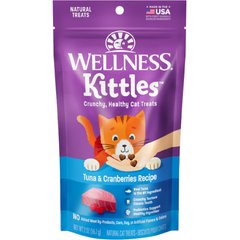
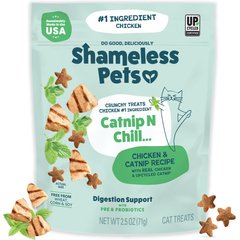
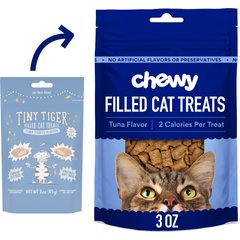
If your cat is looking for a snack, skip the cinnamon-y bite and reach for something from the cat treats aisle instead. A few good options include:
Recommended Products
Why Is Cinnamon Bad for Cats?
The concern with cinnamon isn’t just the spice itself—it’s also the form it comes in and the foods it’s often paired with.
Here’s why cinnamon can be bad for cats:
- Stomach irritation: Cinnamon comes with a risk of stomach irritation. A small lick may only cause mild stomach upset or no symptoms at all, while larger amounts can lead to vomiting, diarrhea, drooling, or belly discomfort.
- Powder inhalation: Cinnamon powder is very fine and easy to accidentally inhale. If your cat breathes in too much it can irritate their nose, throat, and lungs and may lead to coughing, wheezing, or breathing trouble.
- Concentrated products: Cinnamon oils and extracts are more concentrated and dangerous. Cats don’t process these stronger forms very well, which makes them more likely to irritate the mouth, stomach, or airways.
- Dessert ingredients: Cinnamon rolls, cookies, pastries, and sweet breads come with additional concerns. Many contain chocolate, raisins, artificial sweeteners, or other ingredients that can upset your cat’s stomach or even be toxic.
My Cat Ate Cinnamon—What Do I Do?
If your cat has eaten cinnamon, the next step depends on the form and how much they got into.
If it was just a small amount, watch for signs such as:
- Vomiting
- Diarrhea
- Coughing
- Sneezing
- Low appetite
- Lethargy
In most cases, these symptoms resolve quickly without causing any major issues. But call your veterinarian if:
- Your cat ate a large amount of cinnamon powder.
- Your cat got into cinnamon oil or extract.
- Your cat ate a cinnamon dessert with other risky ingredients.
- Your cat seems to cough, gag, or have trouble breathing. (Treat this as an emergency and go to the ER vet right away.)
- Symptoms don’t resolve within 24 hours.
If your cat got into cinnamon oil, cinnamon extract, or a dessert with toxic ingredients and you can’t reach your veterinarian right away, you can also call Pet Poison Helpline (855-764-7661). They can help you decide what to do next.
How Can I Prevent My Cat from Eating Cinnamon?
Cats are curious creatures. The best way to prevent a cat from eating cinnamon is to keep it out of their reach.
Here are some tips to keep your cat safe:
- Store cinnamon jars and spice blends in closed cabinets.
- Don’t let your cat investigate while you’re baking or cooking with cinnamon.
- Don’t leave baked goods unattended on counters or shelves your cat can reach.
- Wipe up spilled cinnamon powder or oil right away.
- Keep trash cans covered or behind closed doors.
- Keep essential oils and diffusers containing cinnamon in a room they can’t get into.
FAQs About Cinnamon for Cats
Is cinnamon bad for cats?
A small amount of cinnamon isn’t considered toxic to cats, but that doesn’t mean it’s a good idea to share it. Larger amounts—especially cinnamon powder or concentrated forms like oils—can irritate a cat’s mouth, stomach, and airways.
Can cats eat cinnamon powder?
No, cats shouldn’t eat cinnamon powder. A little sprinkle may not seem like a big deal, but cinnamon powder is easy for cats to accidentally inhale or swallow, which can irritate their nose, throat, airways, and gastrointestinal tract.
Can cats eat cinnamon rolls?
No, cats shouldn’t eat cinnamon rolls. As tempting as those gooey pastries may smell, cinnamon rolls are packed with ingredients that can be hard on a cat’s stomach or even be toxic.
Can kittens eat cinnamon?
No, kittens shouldn’t eat cinnamon. They have very specific nutrition needs and should only eat a complete kitten food and treats designed for cats and kittens until they’re at least 1 year old.
Attributions
This article was created with assistance from AI tools. The content has been reviewed for accuracy and edited by a human.