Large Hookbill Care Sheet



Photo by Chavalit Thanatipukanont/iStock/Getty Images Plus
Bold, intelligent, and deeply affectionate, large hookbills are awe-inspiring parrots that form strong family bonds. Their lifespans can exceed 60 years, which makes having one a lifetime commitment.
Large Hookbill Overview
- Large hookbills are parrots that measure 9–18 inches, with lengthy large, curved beaks strong enough to crack open the toughest nuts.
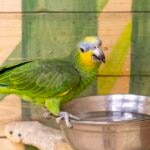
- They include Amazons, small cockatoos, and African grey parrots.
- Their personality, temperament, and care needs vary widely between species—carefully research yours before bringing them home.
Fun Facts About Large Hookbills
- These birds can use tools and solve complex puzzles to get what they want.
- Large hookbill parrots bond closely with their people and can mimic many different sounds, including human speech.
- Many large hookbill owners put their birds in their wills so their beloved pets can be passed down to younger family members.
Large Hookbill Habitat
Always choose the biggest enclosure you can for a large hookbill. They must be able to fully extend their wings, climb about freely, and move around without restriction.
Recommended Products
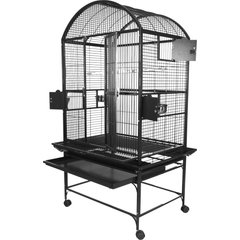

The absolute minimum size enclosure for most hookbills is 36x32x36 inches, but many experienced keepers recommend much larger spaces and even dedicate an entire room to their hookbill parrots.
Place their enclosure in a central area of the home so they can see and hear the action. Parrots are intensely social and suffer when they’re isolated.
However, do not place your hookbill’s enclosure near the kitchen. That’s because cooking fumes, especially those from nonstick cookware, can be fatal.
Never place the cage near candles or plug-in fresheners either, as they can also be highly toxic to birds.
Overheating and cold drafts may also be a problem for your bird, so don’t place their enclosure directly in front of windows.
All hookbills are escape artists who can easily manipulate latches and slides to open their cage doors, so add an extra lock that they can’t reach from inside their cage.
Also, make sure the cage material is rated for parrot strength and that the cage bar spacing is no wider than ¾ to 1 inch, depending on the species.
Add a cage liner or paper-based bedding to the bottom of the cage.
Recommended Products
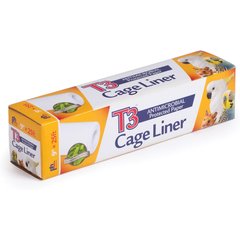
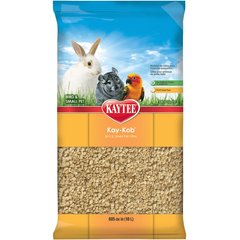
Include a variety of sturdy perches in various materials and diameters.
Recommended Products
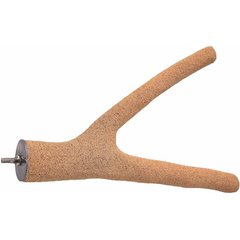

Natural wood perches are ideal because they’re safe and large hookbills can chew on them. Install size-appropriate climbing ropes, swings, and ladders for daily exercise, and rotate between a large selection of bird-safe toys for entertainment.
Recommended Products
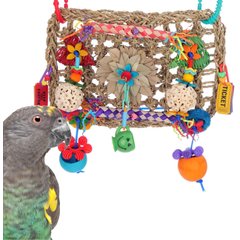

These highly intelligent birds get bored easily and rotating their toys keeps their minds engaged and active. This helps prevent serious problems like aggression, feather-plucking, and prolonged screaming episodes.
Large Hookbill Diet
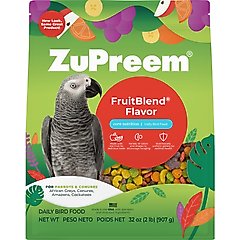
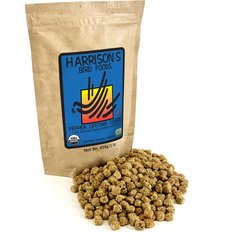
Large hookbill species share many of the same basic dietary needs. Your hookbill needs a healthy, varied diet with a high-quality, species–appropriate pelleted food (70–75%), treats (5%), fresh vegetables and fruits (15%), and seeds and nuts (less than 10%).
Recommended Products
Safe fruits and vegetables for large hookbills include:
- Mango and papaya
- Berries and melons
- Pomegranate
- Bell peppers in all colors
- Cooked sweet potatoes and squash
- Dark leafy greens like kale, romaine, and chard
- Green beans and snap peas
- Cooked whole grains like brown rice and quinoa (especially good for cockatoos)
Remove uneaten fresh food after two to three hours to prevent spoilage, and be sure to clean and refill their water bowl daily.
Note: Never feed your large hookbill avocado, onion, garlic, chocolate, caffeine, alcohol, or fruit pits. These are toxic and can be fatal to your pet even in small amounts.
Large Hookbill Handling
Learning to handle your large hookbill takes patience and consistent effort. They’re emotionally complex birds who remember negative experiences. If they lose trust, it’ll take a long time to earn it back.
Their size also means that a frightened or agitated bird can cause serious injuries, so read your hookbill’s body language before you handle them. A bird who wants attention will look to engage and interact, sometimes vocalizing or even asking to be handled.
Build trust first:
- Spend quiet time near their enclosure without forcing contact.
- Offer treats through the bars to build positive associations.
- Teach the “step up” cue by gently pressing the back of your hand to their lower chest and waiting for them to climb on, then reward the behavior.
- When your hookbill is ready to come out, use an enclosed, bird-proofed room where you’ve closed off all escape routes.
- Never grab, chase, or physically restrain your hookbill—this causes lasting fear and you may both be injured.
Signs your hookbill does not want attention include:
- Lunging or beak-snapping
- Flared tail feathers or raised neck feathers
- Pinned eyes (rapidly dilating pupils)
- Growling, hissing, or sharp alarm calls
- Rigid body posture
- Turning away or attempting to move farther away
Large Hookbill Health
Annual checkups with an avian veterinarian are essential. Bring photos of your bird’s enclosure, toys, and a typical day’s diet to give your vet a complete picture of the care you’re providing.
Birds are experts at hiding health issues until they’re critically ill, so by the time you see symptoms, the condition may be urgent.
Healthy large hookbills are alert, engaged, vocal, and curious about their surroundings. They should have bright, clear eyes, clean nostrils, and a symmetrical, properly aligned beak. Their feathers should be full and well-maintained, feet clean without sores, and droppings consistent.
Contact your avian vet immediately if you notice any of the following:
- Eye or nasal discharge
- Facial swelling
- Labored, noisy, or open-mouthed breathing
- Feather-plucking, abnormal feather growth, or bloody feathers
- An overgrown, broken, or misaligned beak
- Regurgitation
- Lumps or open sores
- Significant change in color, consistency, or frequency of droppings
- Unusually quiet or withdrawn
- Loss of balance or an odd head tilt
- Feather discoloration
Large hookbills are very sensitive to airborne toxins. Scented candles, incense, aerosol sprays, air fresheners, and nonstick cookware fumes can cause extreme respiratory problems or death. Many hookbill pet parents eliminate these items from their homes.
Also avoid cage hardware, toys, or accessories that contain lead, zinc, or galvanized metal. Birds explore their world with their mouths and can ingest dangerous amounts of heavy metals over time.
Supply Checklist for Large Hookbills
Before you bring your new feathered friend home, set up their enclosure:
- Heavy-duty cage (minimum 36x32x36 inches for most species)
- High-quality, species-appropriate pelleted food
- Separate fresh and dry food dishes (stainless steel is ideal)
- Area for misting/bathing
- Healthy treats for bonding and training
- Heavy-duty perches in various materials and sizes
- Cuttlebone and mineral block with holders
- Full-spectrum UV lighting or supervised natural light for 10–12 hours daily
- Rotating selection of large bird-safe toys
- Cage liners or bedding
- Misting spray bottle for bathing
- Heavy-duty, appropriately sized carrier for vet visits
FAQs About Large Hookbills
Are large hookbill birds good for beginners?
No. Large hookbills are best suited for experienced bird keepers due to their size and attention needs.
Is an African grey a hookbill?
Yes! African grey parrots are hookbills, and typically measure 12–16 inches from beak to tail. They’re vocal and quickly learn to mimic sounds, making them fun and interesting pets.
How long do large hookbills live?
Large hookbills like Amazons and African greys can live 60 years or more with proper care.
Attributions