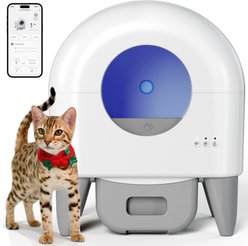
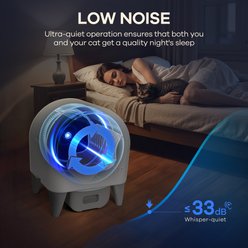

$199.99 Chewy Price
$249.99 List Price
Autoship Price
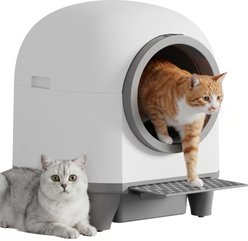
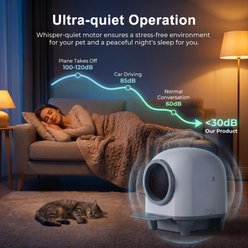
$175.99 Chewy Price
($1.96/l) Price per Unit
Autoship Price

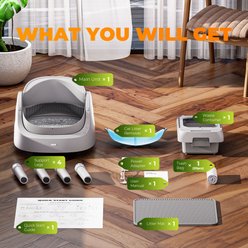
$169.99 Chewy Price
Autoship Price
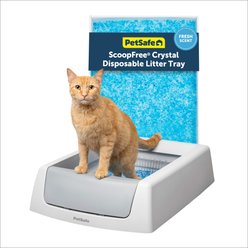
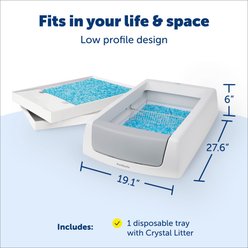
$99.00 Chewy Price
$99.95 List Price
Autoship Price
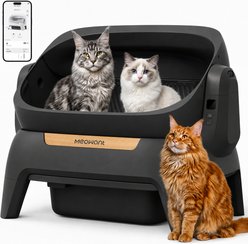
New
$279.00 Chewy Price
Autoship Price
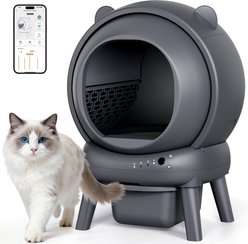
$239.99 Chewy Price
Autoship Price
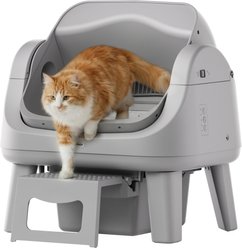
$139.98 Chewy Price
$149.99 List Price
Autoship Price
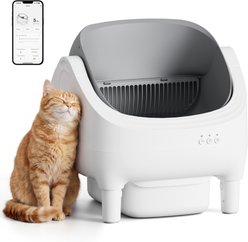
$155.99 Chewy Price
Autoship Price
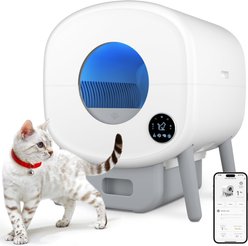
$199.94 Chewy Price
$249.99 List Price
Autoship Price
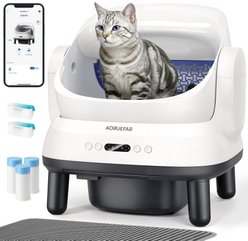
$169.99 Chewy Price
Autoship Price
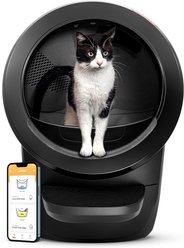
$699.00 Chewy Price
Autoship Price
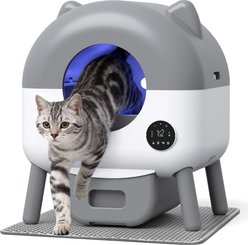
$189.99 Chewy Price
Autoship Price
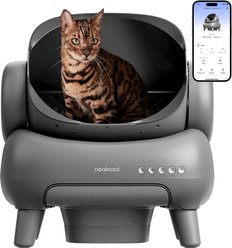
$379.99 Chewy Price
$599.99 List Price
Autoship Price
$223.99 Chewy Price
$299.99 List Price
Autoship Price

$218.00 Chewy Price
$239.00 List Price
Autoship Price
$148.00 Chewy Price
$169.00 List Price
Autoship Price
$199.99 Chewy Price
Autoship Price
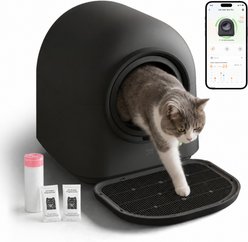
New
$299.00 Chewy Price
Autoship Price
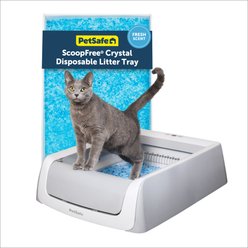
$129.99 Chewy Price
$219.99 List Price
Autoship Price
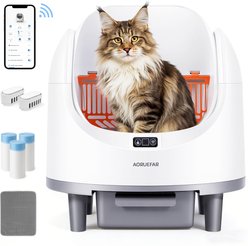
$129.99 Chewy Price
$139.99 List Price
Autoship Price
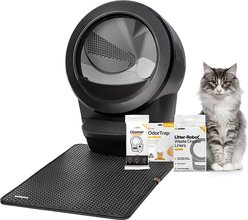
$799.00 Chewy Price
Autoship Price
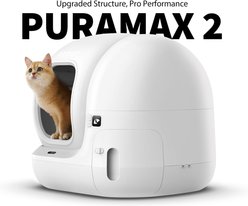
$399.99 Chewy Price
$499.00 List Price
Autoship Price
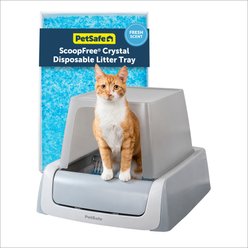
$159.99 Chewy Price
($159.99/ea) Price per Unit
$174.99 List Price
Autoship Price
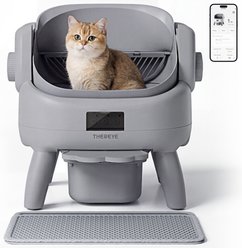
$134.99 Chewy Price
$139.00 List Price
Autoship Price
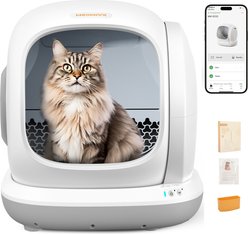
$259.99 Chewy Price
$299.00 List Price
Autoship Price
$212.84 Chewy Price
Autoship Price
New
$279.00 Chewy Price
Autoship Price
$350.00 Chewy Price
$479.99 List Price
Autoship Price
$599.99 Chewy Price
Autoship Price
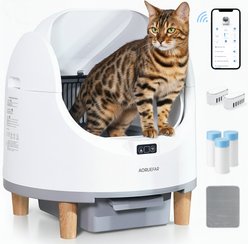
$139.99 Chewy Price
$199.99 List Price
Autoship Price
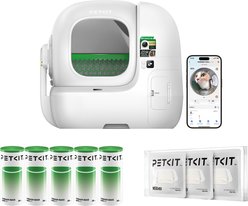
$469.99 Chewy Price
$649.97 List Price
Autoship Price
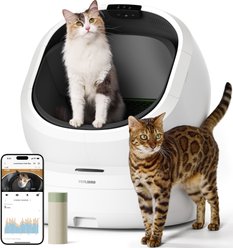
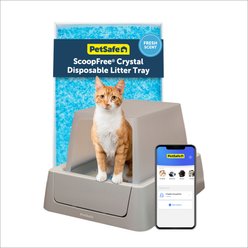
$185.58 Chewy Price
$319.99 List Price
Autoship Price
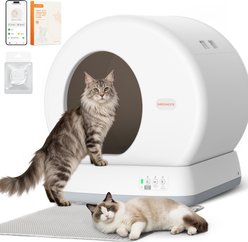
$269.99 Chewy Price
Autoship Price
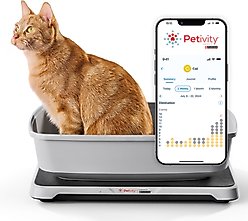
Automatic Self Cleaning Litter Boxes for Cats
Automatic self-cleaning litter boxes can take one of the most repetitive chores off a cat parent's daily list. Instead of relying on manual scooping after every visit, these high-tech litter boxes use sensors and automated cleaning cycles to separate waste from clean litter and move it into a designated compartment. A self-cleaning litter box can be especially convenient for busy households and homes with multiple cats, while also helping keep your cat's litter area consistently tidy between deeper cleanings.
When comparing automatic litter boxes, consider how each model cleans, the amount of space your cat has inside, compatible litter types, waste storage capacity, safety features, and how much ongoing maintenance it requires. Some self-cleaning litter boxes also offer odor-control features and smart technology that lets you monitor litter box activity from your phone. Key features to consider include:
- Automatic cleaning: Sensors detect litter box use and initiate a cleaning cycle that separates waste from clean litter
- Odor management: Covered or sealed waste compartments and other odor-control features can help contain litter box smells
- Litter compatibility: Some automatic litter boxes require clumping litter, crystals, or another specific type of litter
- Smart features: Select models offer app connectivity for monitoring usage, receiving notifications, or adjusting settings
- Size and capacity: Consider your cat's size, the interior dimensions, waste capacity, and whether the model is designed for multi-cat use
From compact designs to feature-packed smart models, automatic self-cleaning litter boxes offer different ways to simplify litter maintenance. Compare dimensions, litter requirements, cleaning mechanisms, safety features, and replacement supplies before choosing. You'll still need to refill litter, empty the waste compartment, and periodically clean the unit, but the right automatic litter box can make everyday upkeep considerably easier.
Frequently Asked Questions about Automatic Self Cleaning Litter Boxes for Cats
How do automatic self-cleaning litter boxes work?
Automatic self-cleaning litter boxes typically use sensors to detect when your cat enters and leaves. After a designated delay, the box runs a cleaning cycle that may rake, sift, or rotate the litter to separate waste and deposit it into a waste compartment. The exact mechanism varies by model.
Are self-cleaning litter boxes worth it?
A self-cleaning litter box may be worth it for cat parents who want to reduce daily scooping and keep the litter area tidier between cleanings. They can be particularly convenient in busy or multi-cat households. Consider the upfront cost, replacement supplies, maintenance requirements, litter compatibility, and your cat's preferences when deciding.
Do you need special litter for an automatic litter box?
It depends on the automatic litter box. Some models work with specific types of clumping litter, while others require crystal litter or proprietary litter products. Check the manufacturer's instructions before buying litter, since using an incompatible type may interfere with the box's cleaning mechanism.
How often do you have to empty a self-cleaning litter box?
How often you empty a self-cleaning litter box depends on its waste capacity, the number of cats using it, and how frequently they go. Some waste compartments can hold several days' worth of waste. Follow the manufacturer's recommendations and empty the compartment sooner whenever it becomes full or develops noticeable odor.
Do cats like automatic litter boxes?
Many cats can learn to use automatic litter boxes, but every cat is different. A gradual introduction may make the transition easier. Consider placing the new box near their existing litter box and allowing your cat to explore it before relying on automatic cleaning cycles. Always follow the manufacturer's guidance for introducing your cat to the unit.
Litter Box Type
Litter Box Height
Litter Box Length
Litter Box Width
Brand
7 Brands are shown below