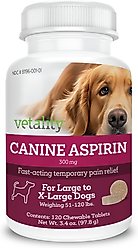


$16.87 Chewy Price
($0.15/ea) Price per Unit
$21.29 List Price
Autoship Price
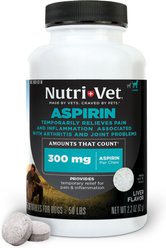
$11.63 Chewy Price
($0.16/ea) Price per Unit
$16.54 List Price
Autoship Price

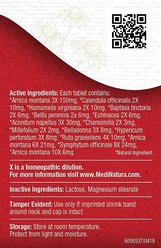
$18.99 Chewy Price
($0.22/ea) Price per Unit
Autoship Price

$11.99 Chewy Price
($0.16/ea) Price per Unit
$14.99 List Price
Autoship Price
$32.36 Chewy Price
($16.18/fl oz) Price per Unit
$35.95 List Price
Autoship Price

$29.99 Chewy Price
($0.34/ea) Price per Unit
Autoship Price
$30.96 Chewy Price
($0.31/g) Price per Unit
Autoship Price

$16.99 Chewy Price
($0.15/ea) Price per Unit
$19.99 List Price
Autoship Price
$12.99 Chewy Price
$18.25 List Price
Autoship Price
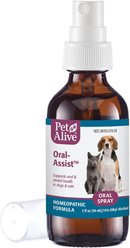
$39.95 Chewy Price
($19.98/fl oz) Price per Unit
Autoship Price
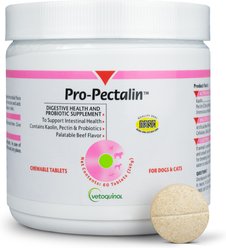
$29.99 Chewy Price
($0.50/ea) Price per Unit
Autoship Price
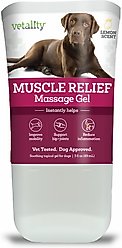
$19.94 Chewy Price
($6.65/fl oz) Price per Unit
$26.99 List Price
Autoship Price

$35.95 Chewy Price
($0.40/ea) Price per Unit
Autoship Price

$42.22 Chewy Price
$80.01 List Price
Autoship Price

$19.49 Chewy Price
$23.95 List Price
Autoship Price
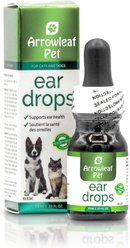
$21.99 Chewy Price
Autoship Price

$44.99 Chewy Price
($0.30/ea) Price per Unit
Autoship Price

$34.99 Chewy Price
($0.20/ea) Price per Unit
$39.95 List Price
Autoship Price
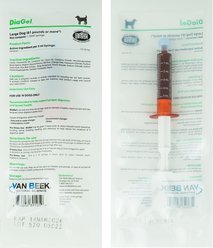
$27.70 Chewy Price
$32.92 List Price
Autoship Price
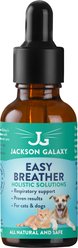
$29.95 Chewy Price
($14.98/fl oz) Price per Unit
Autoship Price

$13.96 Chewy Price
($2.33/ea) Price per Unit
$17.46 List Price
Autoship Price

$26.99 Chewy Price
Autoship Price

$37.95 Chewy Price
($18.98/fl oz) Price per Unit
Autoship Price
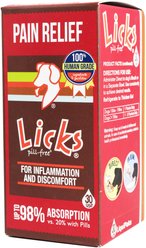
$39.99 Chewy Price
($1.34/ea) Price per Unit
Autoship Price

$6.48 Chewy Price
($1.62/fl oz) Price per Unit
$9.99 List Price
Autoship Price
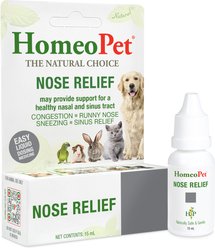
$19.49 Chewy Price
$23.95 List Price
Autoship Price
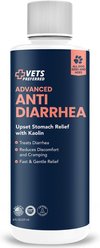
$15.97 Chewy Price
($2.00/fl oz) Price per Unit
$16.57 List Price
Autoship Price

$29.99 Chewy Price
($15.00/oz) Price per Unit
Autoship Price
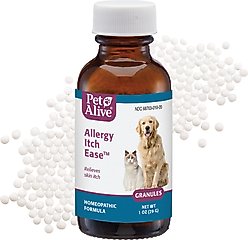
$35.99 Chewy Price
($35.99/oz) Price per Unit
$39.95 List Price
Autoship Price

$19.49 Chewy Price
$23.95 List Price
Autoship Price
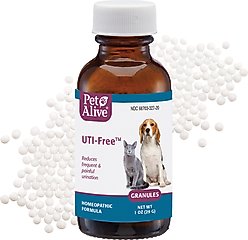
$36.25 Chewy Price
($36.25/oz) Price per Unit
$39.95 List Price
Autoship Price
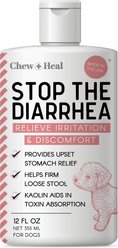
$19.99 Chewy Price
($1.67/fl oz) Price per Unit
Autoship Price

$37.95 Chewy Price
($18.98/fl oz) Price per Unit
Autoship Price
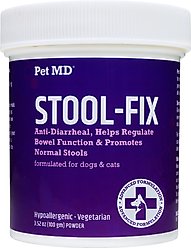
$18.99 Chewy Price
($0.19/g) Price per Unit
$21.99 List Price
Autoship Price
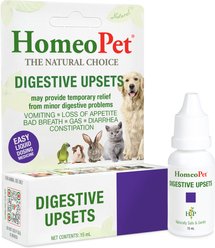
$19.49 Chewy Price
$23.95 List Price
Autoship Price

$16.99 Chewy Price
($0.57/g) Price per Unit
$19.99 List Price
Autoship Price
Over The Counter Medicine For Dogs
Reviewed by Dr. Angela Beal, DVM
Over-the-counter medicine for dogs can help pet parents manage certain everyday health and wellness needs without a prescription. Depending on the product, these options may provide temporary support for minor pain, digestive upset, itching, ear concerns, respiratory comfort, or other common issues. Because symptoms can have many causes and some human medications can be dangerous for pets, it is important to choose products specifically labeled for dogs and involve your veterinarian when you are unsure what your dog needs.
At Chewy, you can shop over-the-counter medicine for dogs in a variety of formats, including chewable tablets, liquids, drops, pastes, gels, sprays, and topical products. The assortment spans digestive care, temporary pain relief, skin and itch support, ear care, wound care, and other targeted needs. Always check the product label for intended use, dosing directions, age or weight requirements, and warnings before giving your dog an OTC product. Here are some things to keep in mind when shopping for dog OTC medications:
- Health concern: Shop options for digestive upset, temporary pain relief, skin and itch support, ear care, wound care, and other everyday needs
- Product format: Choose from chewable tablets, liquids, drops, pastes, gels, sprays, and topical products
- Dog-specific formulas: Select products labeled for dogs rather than giving human medications without veterinary guidance
- Label directions: Check the intended use, dosage, weight or age requirements, ingredients, and safety warnings before use
- Veterinary guidance: Contact your veterinarian for severe, persistent, recurring, or unexplained symptoms or whenever you are unsure which product is appropriate
Having a few veterinarian-approved essentials on hand can make it easier to respond to minor concerns when they arise. Chewy lets you compare over-the-counter medicine for dogs by health need, format, and ingredients, and Autoship can help keep frequently used care products stocked. For new or worsening symptoms, contact your veterinarian rather than relying on OTC care alone.
Frequently Asked Questions about Over The Counter Medicine For Dogs
What are over-the-counter medications for dogs?
Over-the-counter medications for dogs are products available without a prescription that are intended for certain common health and wellness needs. Depending on the product, they may address digestive upset, temporary pain, itching, ear care, wound care, or other concerns. Always use a product according to its label and consult your veterinarian when needed.
Can I give my dog human over-the-counter medicine?
Do not give your dog human over-the-counter medicine unless your veterinarian specifically tells you to. Some medications and ingredients that people commonly use can be unsafe for dogs, and appropriate doses may differ substantially. Your veterinarian can tell you whether a particular medication is appropriate and provide safe dosing instructions.
When should I see a veterinarian instead of using OTC medicine for my dog?
See your veterinarian for severe symptoms, symptoms that persist or recur, significant pain, repeated vomiting or diarrhea, breathing difficulties, unusual behavior, or other concerning changes. OTC products can be useful for certain minor needs, but they should not delay veterinary evaluation when your dog may need diagnosis or targeted treatment.
Category
Save 5% on repeat deliveries
Brand
7 Brands are shown below