

$44.99 Chewy Price
$51.99 List Price
Autoship Price
$35.99 Chewy Price
$49.99 List Price
Autoship Price
$39.99 Chewy Price
$51.92 List Price
Autoship Price
$88.39 Chewy Price
($88.39/ea) Price per Unit
$132.77 List Price
Autoship Price
$87.99 Chewy Price
$99.99 List Price
Autoship Price
$69.99 Chewy Price
($69.99/ea) Price per Unit
Autoship Price

$34.99 Chewy Price
$44.99 List Price
Autoship Price
$79.95 Chewy Price
Autoship Price
$96.99 Chewy Price
$132.77 List Price
Autoship Price

$62.99 Chewy Price
($62.99/ea) Price per Unit
Autoship Price
$139.99 Chewy Price
Autoship Price
$57.86 Chewy Price
($57.86/ea) Price per Unit
$59.99 List Price
Autoship Price
$99.99 Chewy Price
$151.14 List Price
Autoship Price
$149.99 Chewy Price
$219.39 List Price
Autoship Price
$71.99 Chewy Price
$99.99 List Price
Autoship Price
$159.99 Chewy Price
Autoship Price
$219.99 Chewy Price
$306.02 List Price
Autoship Price
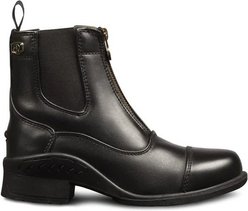
$43.96 Chewy Price
($43.96/ea) Price per Unit
$54.95 List Price
Autoship Price
$71.99 Chewy Price
($71.99/ea) Price per Unit
$99.99 List Price
Autoship Price

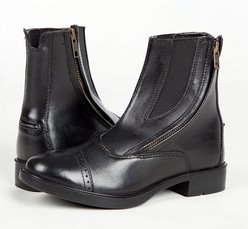
$84.99 Chewy Price
$106.99 List Price
Autoship Price


$59.99 Chewy Price
($59.99/ea) Price per Unit
Autoship Price
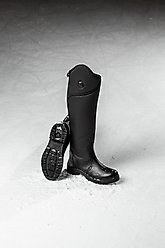
$224.76 Chewy Price
$280.95 List Price
Autoship Price
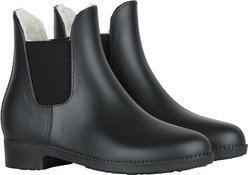
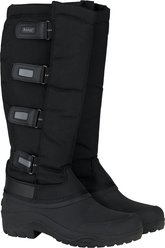
Out of Stock
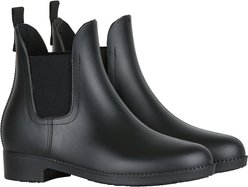
Out of Stock
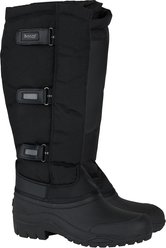
Out of Stock
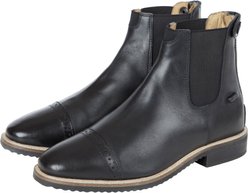
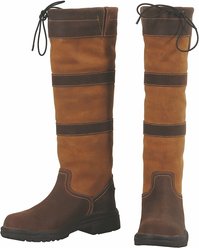
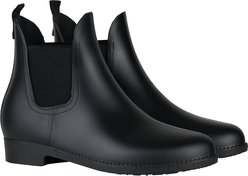
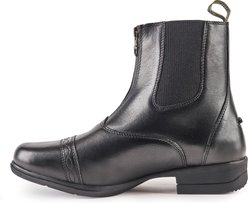
Horse Riding Boots
Horseback riding boots are more than an aesthetic choice. They protect your legs, feet, and clothes when you're out riding or even doing chores around the barn. There are several styles of horseback riding boots:
-
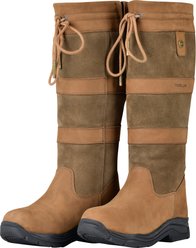
Muck boots: Great for stable work and chores around the barn and paddock
-
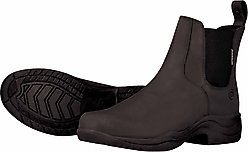
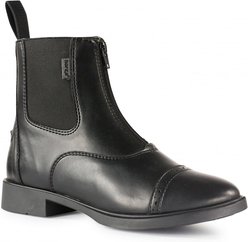
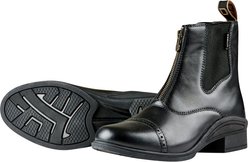
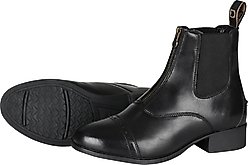
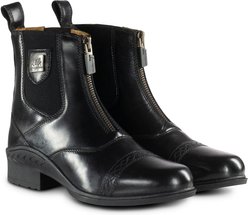
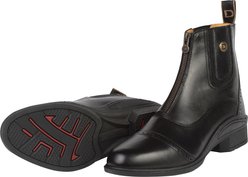
Paddock boots: These ankle-high boots are a versatile choice for barn chores or riding
-
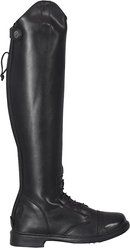
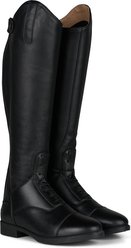
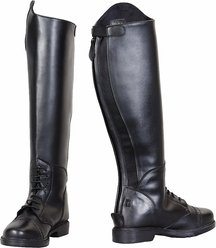
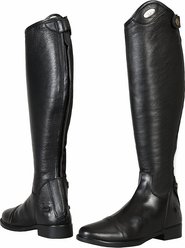
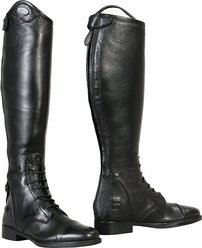
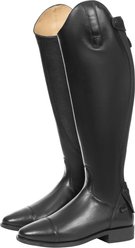
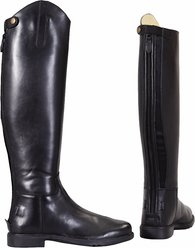
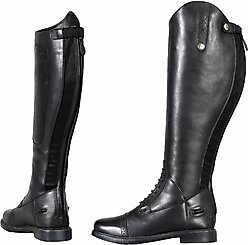
Tall riding boots: Often required for competition, these boots come up to your knees
Different riders have different preferences when it comes to their horseback riding boots. When choosing new boots, remember that riding boots should fit snugly and that leather boots will initially feel tight before they start to stretch.
Frequently Asked Questions about Horse Riding Boots
Why are they called riding boots?
Riding boots are designed specifically to protect riders' legs and feet while riding. The boots feature a heel to help prevent your foot from slipping through the stirrup.
What type of boots are good for horseback riding?
Tall riding boots are good for horseback riding and are preferred in many English disciplines, since they offer durability and a secure feel in the saddle. Some riders prefer paddock boots for casual rides and schooling.
How should horseback riding boots fit?
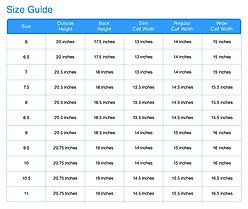
Horseback riding boots should be a snug fit but not overly tight. Try on the boots while wearing the breeches or riding tights and socks you'll use most often while riding.There should be some wiggle room in the toes, and the boot shaft should feel snug around your ankle and calf. If you have a tall riding boot, the top of the boot should fit comfortably but securely behind your knee. The boot's height will drop one to two inches with use, so be sure it reaches to the back of your knee initially.
Should you size up in horseback riding boots?
No, you generally shouldn't size up your horseback riding boots, because they're meant to fit a little snug. Note that new leather boots will be tight but will eventually stretch to mold around your leg. The exception is if you're buying boots for winter riding; you may want to go up a half size so you have room for warm socks.
Are tall or short boots better for horseback riding?
The best boot for horseback riding depends on your preference, your experience level, and what you'll be using the boots for. Many English riders prefer tall boots because they offer a secure feel, they help protect your legs from chafing, and they may be required for competitions. Some riders prefer short boots for casual rides because they're more flexible and may be comfortable in hot weather.
What is the difference between tall riding boots and paddock boots?
The difference between tall riding boots and paddock boots is their height. Tall riding boots come up to just below a rider's knee, while paddock boots are shorter, just covering a rider's ankle. Paddock boots also have thicker soles, making them ideal for barn work. You can pair paddock boots with half chaps to create a feel and look similar to a tall boot.
Horse Product Type
Gender
Riding Style
Brand
7 Brands are shown below